Alabama Indie Filmmakers Tap Micro-Grants and Low-Budget Funding Tactics
Ten AAN micro-film grants offer $10,000 plus $500 each for 2-3 minute films to premiere at an inaugural nonprofit festival, while Seed&Spark shows 84% crowdfunding success for small film campaigns.
Alabama filmmakers and small nonprofit teams have fresh, concrete funding paths to pursue: the Alabama Association of Nonprofits will award ten Micro-Film Grant Initiative packages of $10,000 and $500 each for 2-3 minute micro-films that “will be premiered at our inaugural Nonprofit Film Festival held early fall.” The AAN frames the program as a way to “elevate the work they are doing, leverages more funding for their organizations, and advocates for Alabama’s promising nonprofits,” and notes, “This initiative of the Alabama Association of Nonprofits alleviates pressure on small advertising budgets and creates opportunity for nonprofits that are under-invested when compared to their peers.” The AAN page also acknowledges Fidelity Charitable Catalyst Fund as a partner: “We are grateful to our partners with the Fidelity Charitable Catalyst Fund for supporting this project.”
Eligibility for the AAN micro-film grants is explicit - grants are “to member nonprofits.” The AAN site offers a “Fact Sheet” and an “Application Form,” and prompts users with membership instructions: “Are You or Your Organization a Member? If you are an employee of an AAN member organization or an individual member, we invite you to set up an online account…” Ten awards, each with $10,000 to use “with one of several pre-vetted videographers” plus $500 to compensate staff time or outsourcing for measuring outcomes, create a clear production-and-impact package for nonprofit-driven projects.
Crowdfunding remains a viable route for micro-budget filmmakers. “Seed&Spark has made crowdfunding a real option for independent filmmakers,” and the platform posts a striking metric: “Their 84% success rate for film projects shows it works.” Seed&Spark guidance recommends concrete campaign work: pre-campaign preparation (3-4 months), building an email list that cares, creating compelling campaign videos, offering meaningful rewards to backers, and developing early support before launch. The guidance stresses that “Smart campaign planning makes all the difference between success and failure” and that “Filmmakers should build a community around their projects instead of just asking for money.” Most successful Seed&Spark film campaigns raise under $10,000, making this approach aligned with micro-budget needs.
For filmmakers aiming beyond micro-grants, national funds offer larger caps but require professional materials. Film Independent provides production grants “up to $50,000” and development funds typically ranging “$10,000 to $30,000,” and specifies application components: “Detailed project treatment and budget; Strong artistic vision statement; Clear distribution strategy; Professional work samples; Letters of recommendation.” The American Documentary Film Fund also awards “up to $50,000” but requires a 3-minute preview and participation in a 10-minute Q&A session as part of submission.
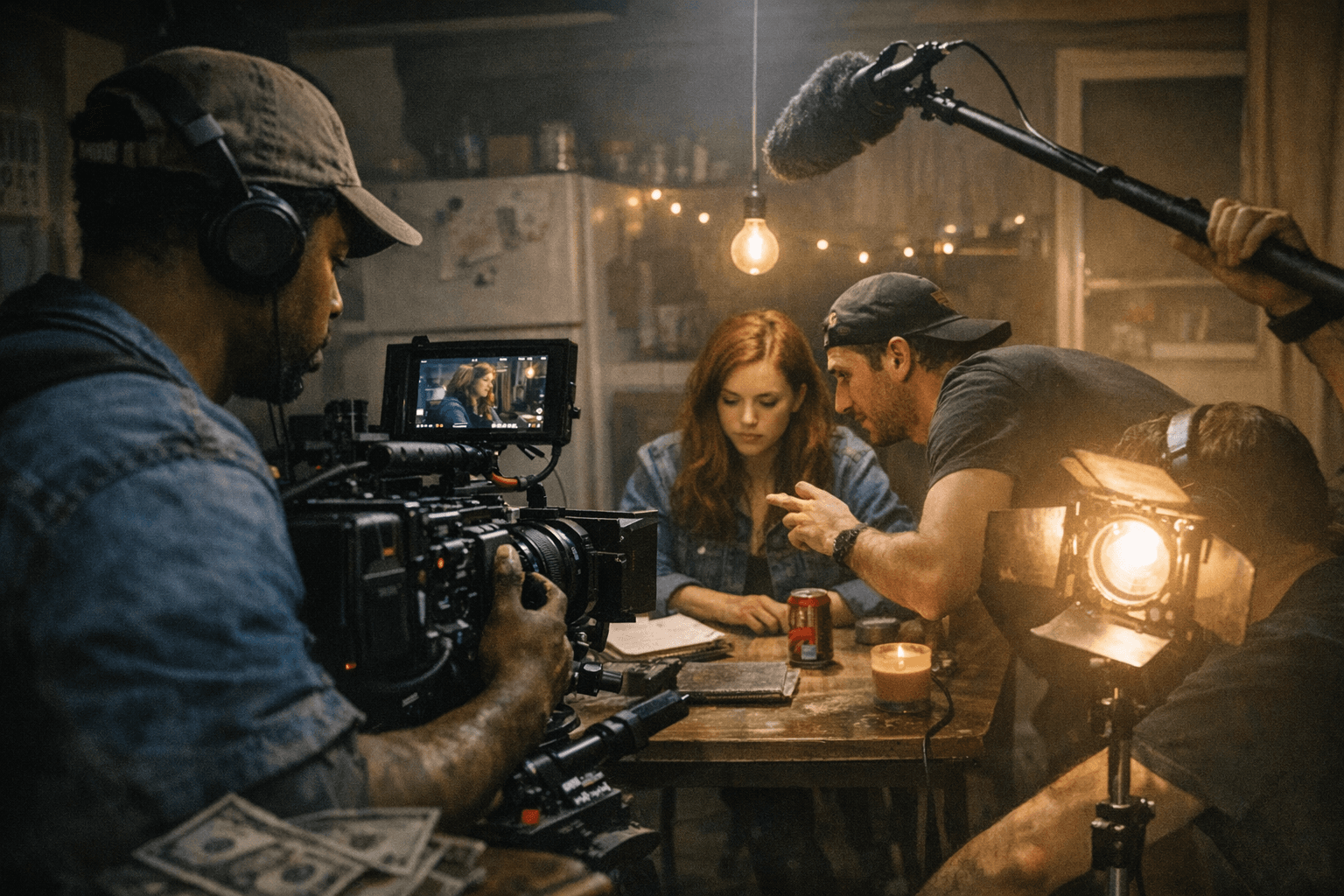
Distribution strategy matters early for tight budgets. Filmustage advises that “Micro-budget films often do better with digital distribution at first,” because “This helps avoid the big expenses of traditional theatrical releases.” The guidance adds that “Many independent films have found their audience through online distribution that maximizes returns through smart platform choices and targeted marketing,” which aligns with Seed&Spark’s small-campaign fundraising profile.
Alabama-specific seed money is available through Sidewalk Film Festival channels as well: the David Brower Grant for Alabama Filmmakers awards $1,500 to support student, emerging, or established filmmakers residing in Alabama who have a project in development. Eligibility requires applicants to be at least 18 years of age and residents of Alabama, and projects may be at any stage, development through post-production, and in any format, including feature-length, shorts, serialized work, web series, VR/AR, and hybrid forms. The Sidewalk content notes application timing for the 2022 cycle: “Applications open September 1,” accepted until “October 31, 2022,” and “The Grant recipient will be announced in December 2022.” The Sidewalk FAQ also states procedural items: applicants receive a confirmation notification upon submission and “Each applicant may submit one application per grant cycle.”
Practical next steps for Alabama filmmakers: if you work for an AAN member nonprofit, set up an online account to access the AAN “Fact Sheet” and “Application Form” and plan a 2-3 minute film that fits the festival premiere model; if you prefer crowdfunding, plan a 3-4 month pre-campaign and target sub-$10,000 goals using Seed&Spark best practices; and if you’ll pursue larger grants, prepare the Film Independent materials and a 3-minute preview plus 10-minute Q&A if targeting documentary funds. For equipment and investor-readiness, the Alpha Female Plus Grant Program offers support for equipment, software, and exposure and advises that “Filmmakers need these items ready before meeting private investors.”
This article was produced by Prism’s automated news system from verified source data, official records, and press releases, then run through automated quality and moderation checks before publishing. The system is built and supervised by the people who set the standards it runs under. Read our full AI policy.
Did this article answer your question?


