Auburn exhibition history shows roots of Alabama independent film
Auburn’s moviegoing past explains Alabama indie film now: the scene still depends on venues, audiences, and programming that turn screenings into shared events.
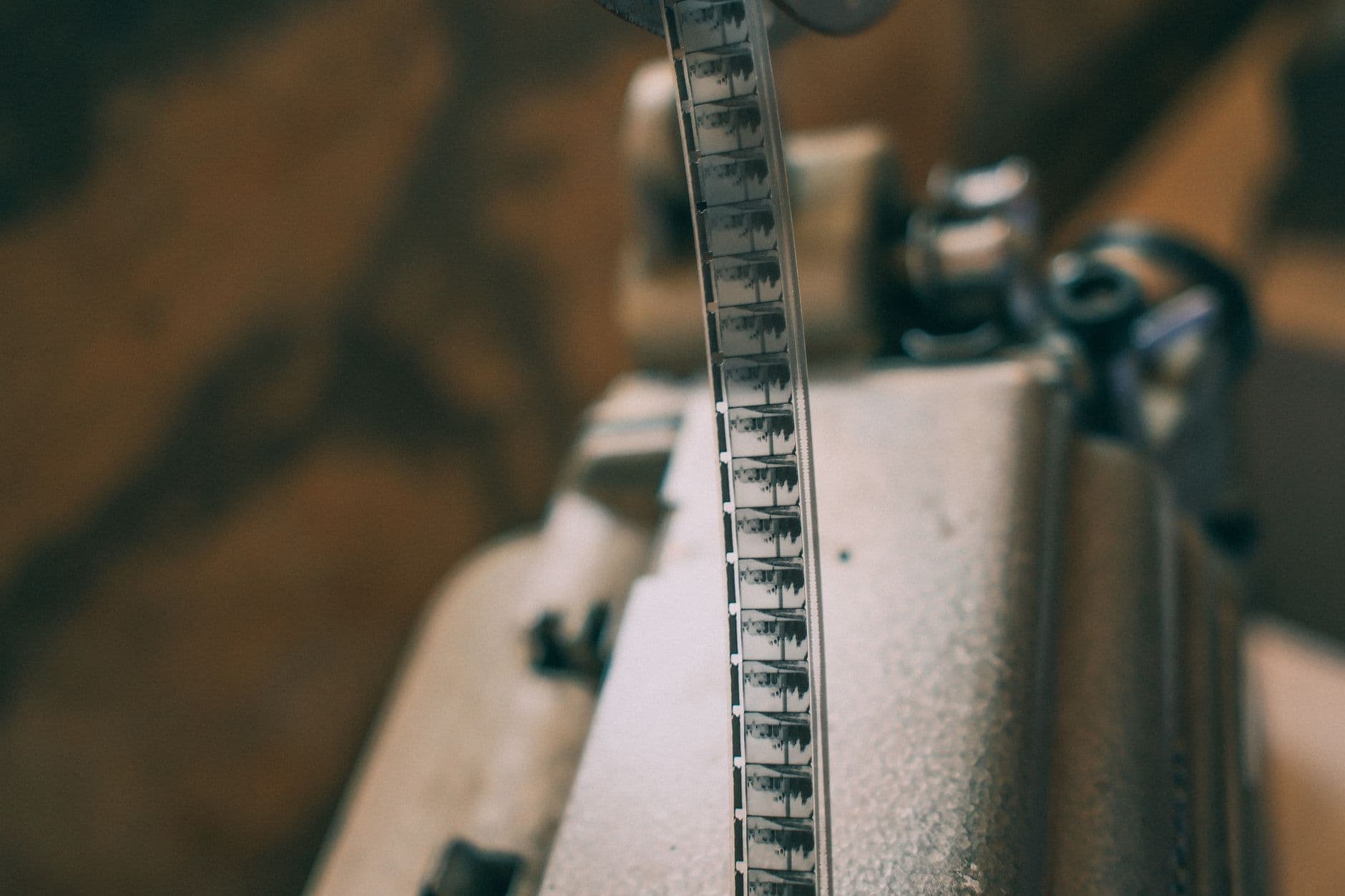
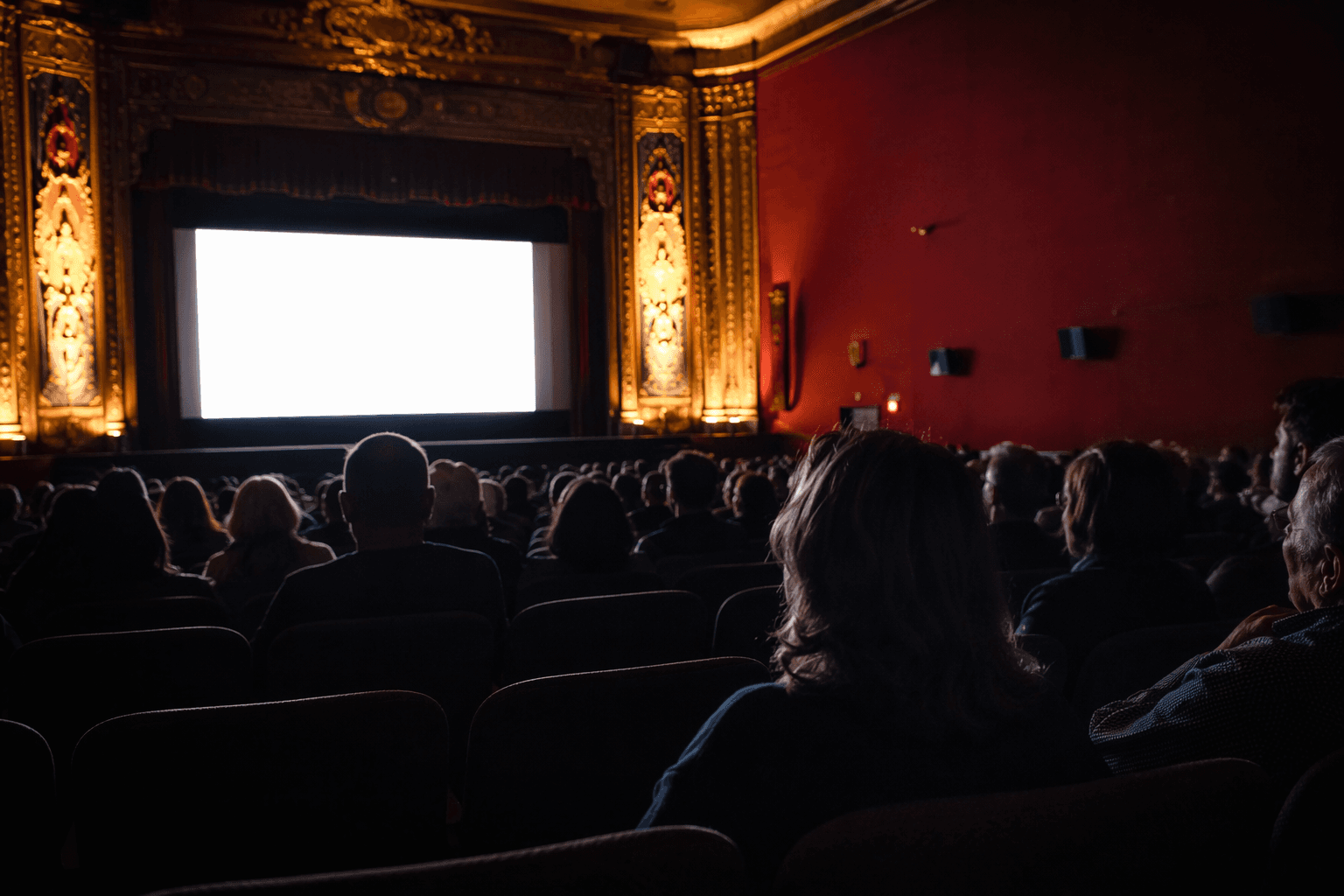
Auburn’s moviegoing history shows why Alabama independent film still lives or dies by the room, not just the reel. Danielle E. Williams’s thesis on local motion-picture exhibition in Auburn, spanning 1894 to 1928, captures the years when film was becoming a civic habit, and it lands just before synchronized sound rewrote what audiences expected from a night at the movies.
Auburn’s exhibition history as the practical origin story
Williams’s focus matters because it is not a studio history or a celebrity history. It is a study of theaters, booking patterns, and local cultural choices, the everyday machinery that decides whether a community has space for non-Hollywood stories at all. That makes Auburn a useful lens for Alabama indie film today: if people kept showing up for screenings there when the venue, timing, and programming worked, the same logic still shapes who shows up for a documentary, a student film, a regional feature, or a retrospective now.
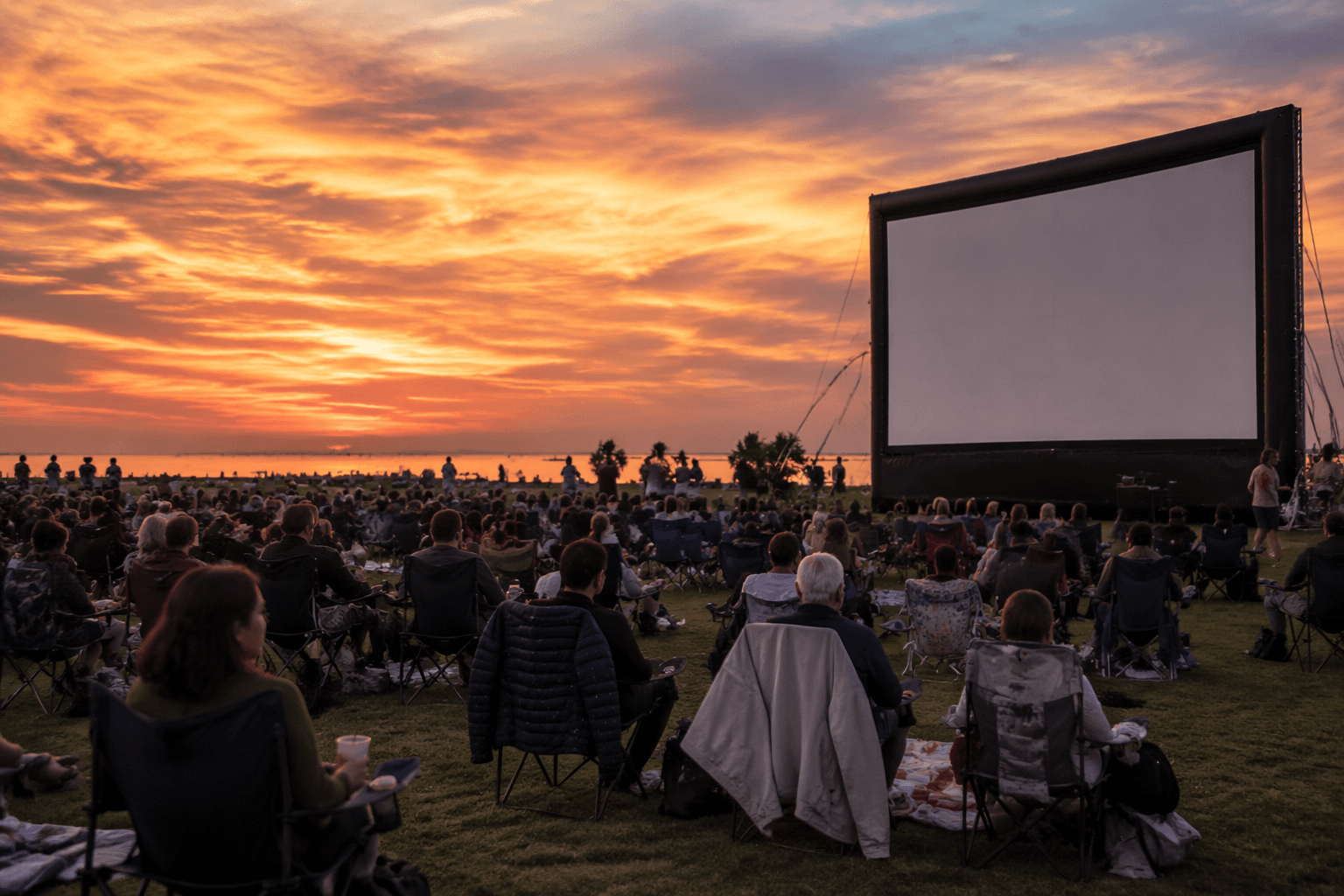
The useful lesson is simple and current. Independent film is not only production, it is circulation. A film needs a place to play, a crowd that trusts the programming, and an event structure that makes the screening feel like something worth leaving home for. Auburn’s 1894 to 1928 history shows that Alabama audiences have long responded to screen culture when exhibitors treated moviegoing as a shared civic practice rather than a passive transaction.
Why that old pattern still fits Alabama’s indie scene
That exhibition history helps explain why Alabama’s independent-film ecosystem grows around civic spaces, universities, and specialty venues more often than around a single studio district. The same ingredients that kept local moviegoing alive in Auburn still show up in the state’s current scene: access, curation, and consistency. When those pieces line up, even smaller markets can support serious film culture.
That is the through-line for filmmakers working in Alabama now. A venue is not just a building, a festival is not just a calendar entry, and an audience is not just a crowd number. The state’s film culture keeps advancing when screenings are programmed as occasions, when repeat moviegoing is nurtured, and when local institutions help audiences feel that independent work belongs in the same civic conversation as larger commercial releases.
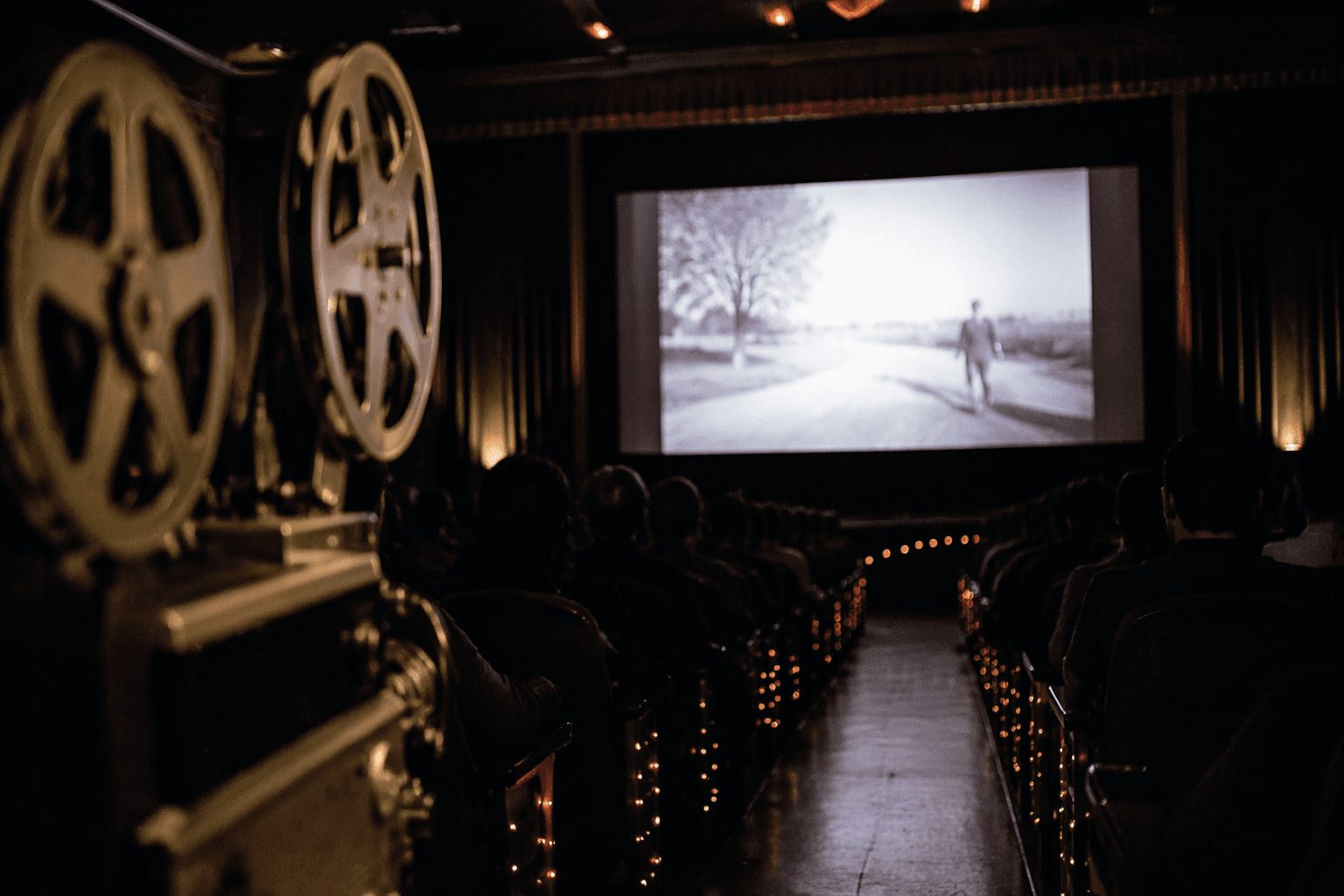
What Sidewalk has built in Birmingham
The clearest modern example is the Sidewalk Film Festival. AlabamaFilm.org says the festival has taken place annually during the last weekend in August in Birmingham’s Theatre District since 1999, and that it typically screens at seven downtown venues. That footprint matters because it turns the city center into a walkable film district, not just a single-screen stop.
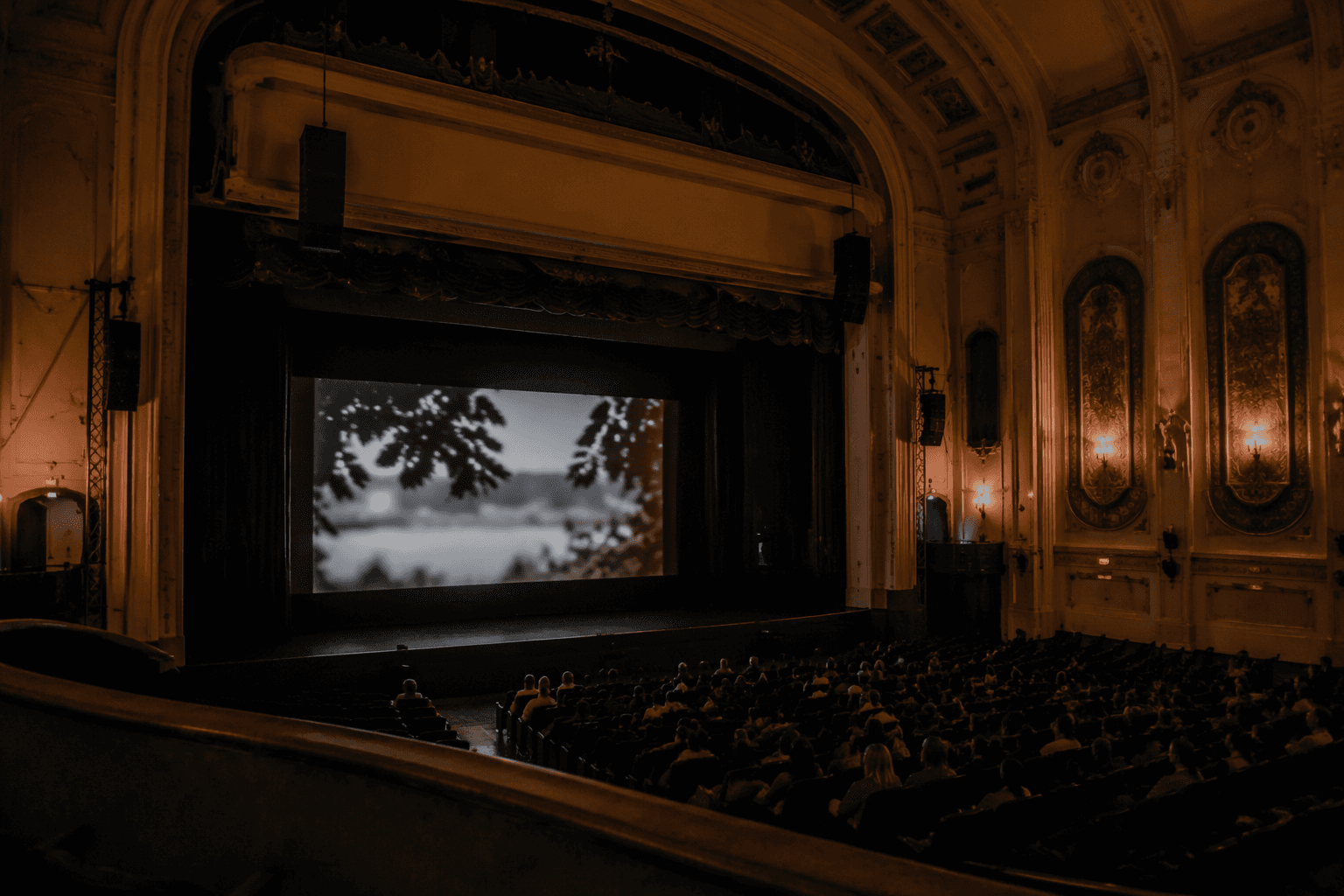
The festival also anchors itself in venues with real exhibition history. AlabamaFilm.org identifies the Alabama Theatre as a restored 2,200-seat movie palace built by Paramount in 1927, and it notes the addition of the Lyric Theatre. That pairing of a historic movie palace and a newer festival venue mirrors the larger Alabama pattern: indie film here is built through places that already understand how to gather people around screens.
Sidewalk Film Center’s Science on Screen listing adds another key piece. It describes Sidewalk as a federally recognized 501(c)(3) nonprofit dedicated to encouraging filmmaking in Alabama and building audiences for independent film. That mission statement gets to the heart of the scene: the work is not only to screen films, but to train audiences to return for them.
The state infrastructure behind the screen culture
Alabama’s film identity is not confined to festival weekends. The Alabama Film Office says it was originally established on January 15, 1978, a marker that shows how long the state has been building an official framework for production. The Alabama Entertainment Office adds the other half of the picture, pointing to diverse locations, lower production expenses, state tax incentives, and a growing talent pool.
The North Alabama Film Commission pushes that same message in regional form, describing North Alabama as “camera-ready.” Taken together, those details show how the state now supports film across multiple lanes: production, tourism, and exhibition. That matters for independent filmmakers because a healthy scene depends on more than a shoot date; it depends on a network that can help projects move from set to audience.
North Alabama and university-led audience building
The exhibition-to-audience connection is not limited to Birmingham. The University of Alabama in Huntsville said the second annual Huntsville Human Rights Film Festival took place September 14–16, 2023, which places film culture inside a university and community partnership model in North Alabama. That kind of event keeps the local circuit active by pairing screenings with conversation and repeat attendance.
South Arts’ Southern Circuit Tour of Independent Filmmakers extends the same idea across the region. It offers a model for how independent work circulates through the South through curated screenings and discussions rather than mass-market release alone. For Alabama filmmakers, that regional route matters because it creates another path between finished film and engaged audience, especially outside the biggest metropolitan exhibition corridors.
The shape of the current scene lines up neatly with Auburn’s older moviegoing habits. Historic exhibition created the habit of gathering, and today’s venues, festivals, and film offices are still working to preserve it. That is why Auburn’s 1894 to 1928 record is more than a local archive piece: it is the blueprint for how Alabama independent film keeps finding its audience one screening at a time.
This article was produced by Prism’s automated news system from verified source data, official records, and press releases, then run through automated quality and moderation checks before publishing. The system is built and supervised by the people who set the standards it runs under. Read our full AI policy.
Did this article answer your question?