Film Birmingham updates crew directory to connect locals with productions
Film Birmingham’s crew and casting pages are the fastest local on-ramp to set work, but the crew directory has a clear threshold: one paid professional credit first.
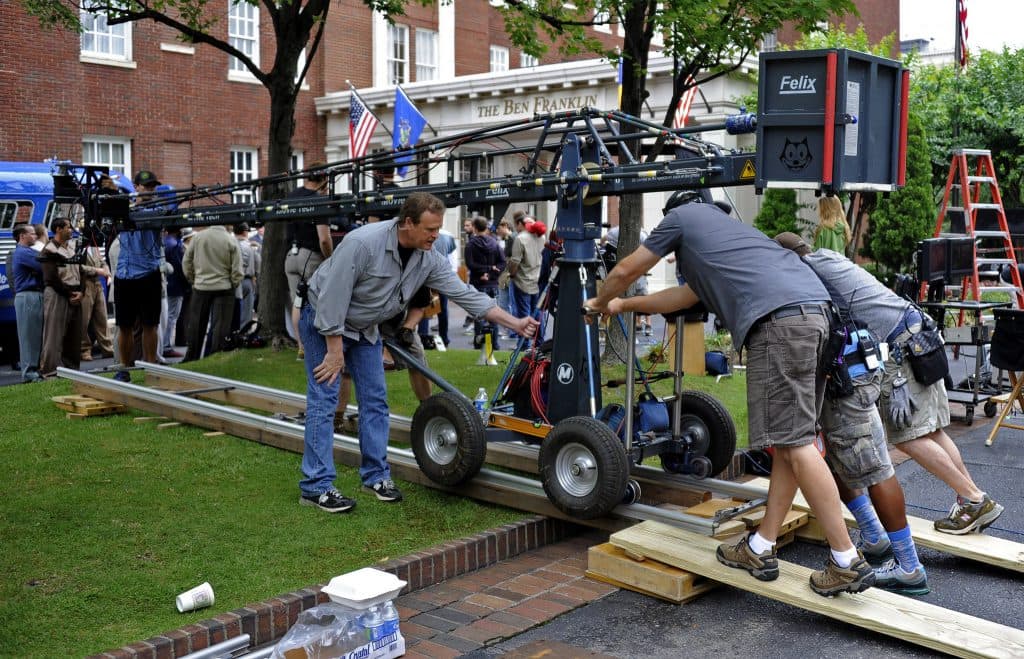
Film Birmingham’s crew database runs on Reel-Scout, and its casting page directs performers to local agencies and casting companies. For locals, that means a practical path into the Greater Birmingham screen economy, whether the goal is crew, casting, support services, or simply understanding how productions plug into the city.
How the crew directory works
Film Birmingham is an initiative of Create Birmingham and serves as the film commission for the Greater Birmingham region. Its mission is to create job opportunities, generate revenues, elevate regional visibility, and advocate economic development. The organization serves as the primary liaison between film production and city agencies, which makes its crew and resource pages more than a list: they are part of the machinery that keeps production moving.
The crew database is built around Reel-Scout, and the region is updating North-Central Alabama crew and location information so the listings stay current. Crew members and support-service providers can create Reel-Scout profiles, attach resumes, link samples of work, and list businesses that can support productions. Film Birmingham and the Alabama Film Office share databases, so the local picture is tied into the statewide system rather than operating in isolation.
There is a clear gate to entry on the crew side. Film Birmingham’s community FAQ requires at least one paid, professional feature film, television show or series, news program, or commercial credit to register for the Crew & Services Directory and list a resume in the Reel-Scout database. The directory is not designed as a beginner signup sheet, but as the next step after you have already earned a professional credit.
For a local looking for the first real break, that changes the strategy. The practical goal is to use the listings once you have that first paid credit, then keep the profile updated so productions can actually find you when they are staffing a show. The database is where a name, a resume, and sample work stop being private notes and become searchable production-ready information.
Where aspiring actors fit in
Film Birmingham’s casting resources page serves a similar purpose for performers, but it does not make the hiring decisions. Film Birmingham leaves acting and casting decisions to the production or to companies more involved in developing talent, which keeps Film Birmingham in the role of connector rather than gatekeeper. For readers trying to figure out where to start, that distinction tells you who is actually doing the casting.
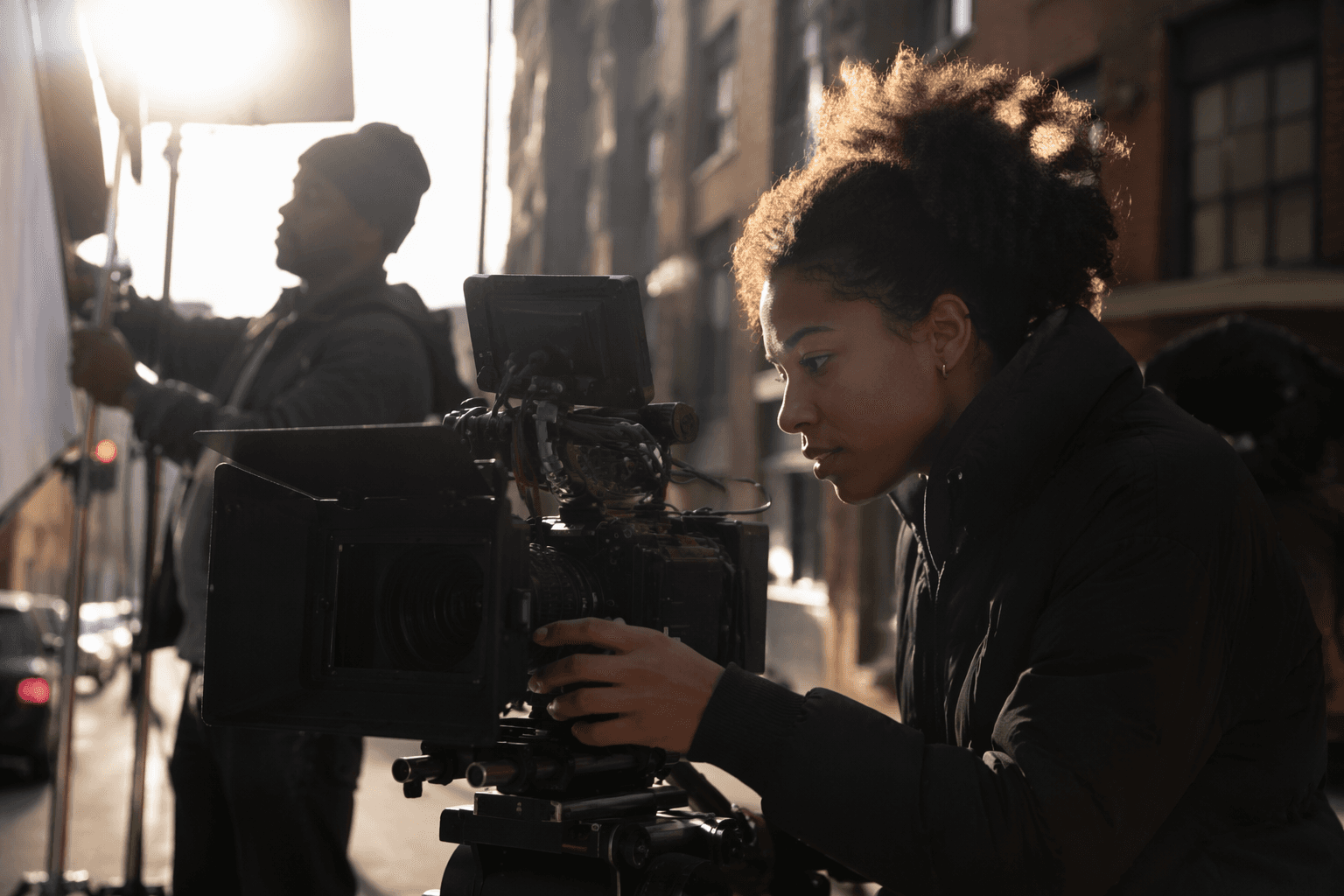
The casting resources page lists Birmingham Casting, Mixed Company, Goleman Casting, Real People Models & Talent, Acting Out Academy, Red Models & Talent, and Callaghan Casting.
Film Birmingham promoted a casting workshop for non-actors with Acting Out Academy’s Meg Deusner, signaling that extras and background work are part of the local entry path too. For someone who wants first exposure to a set, that is often the most realistic doorway because it teaches how casting works before you try to build a larger on-camera résumé.
What productions are looking for
Film Birmingham’s site shows how productions think. They need crew, they need places to shoot, they need services nearby, and they need a way to move quickly through local contacts without rebuilding the network from scratch each time. That is why the crew directory, location information, and support-service listings matter together rather than separately.
The organization also lets productions register their projects so Film Birmingham can better understand local activity and strengthen advocacy with accurate data.
If you already have the required professional credit, the directory is where you make yourself searchable. If you are still working toward that first credential, the casting resources show where performers are being routed, and the broader production pages show how the city organizes the people and vendors a shoot needs once it arrives.
Why the statewide incentive picture matters
Film Birmingham’s local infrastructure sits inside a larger Alabama incentive structure. The Alabama Department of Revenue says the state’s film incentive law authorizes up to $20 million a year in incentives, rising to $22 million for the fiscal year ending Sept. 30, 2026. Under Alabama’s film incentive program, qualified productions can spend between $500,000 and $20 million in the state and receive a 35% rebate on payroll paid to Alabama residents and a 25% rebate on other qualified production expenses.
That incentive framework gives Birmingham’s listings a commercial edge. When productions compare cities, they are not only looking for locations, they are also looking for a place where local labor, local vendors, and local paperwork can be assembled without delay. The crew directory and casting resources help make that easier, which is why Film Birmingham treats them as part of the region’s economic development toolkit.
A 2025 legislative update renamed the Alabama Film Office the Alabama Entertainment Office and expanded the program to include music albums. That broadens the state’s creative economy around the same infrastructure that supports film and television, which makes the local directory model even more relevant for people trying to work across formats.
Birmingham’s screen economy has been building for years
When Birmingham relaunched its film office in 2017, the city planned to include a database of filming locations within a 30-to-40-minute drive, a local crew database, and a list of small businesses that support productions.
Film Birmingham’s 2024 State of the Union page listed a Birmingham Productions page and a Jefferson County Film Tourism Map for launch in January 2025. Film Birmingham describes itself as a one-stop shop.
This article was produced by Prism’s automated news system from verified source data, official records, and press releases, then run through automated quality and moderation checks before publishing. The system is built and supervised by the people who set the standards it runs under. Read our full AI policy.
Did this article answer your question?