Indie Film Lab keeps Alabama film alive with developing and scanning
Montgomery’s Indie Film Lab gives Alabama filmmakers a local path to develop rolls, scan negatives, and keep originals safe for future re-scans.
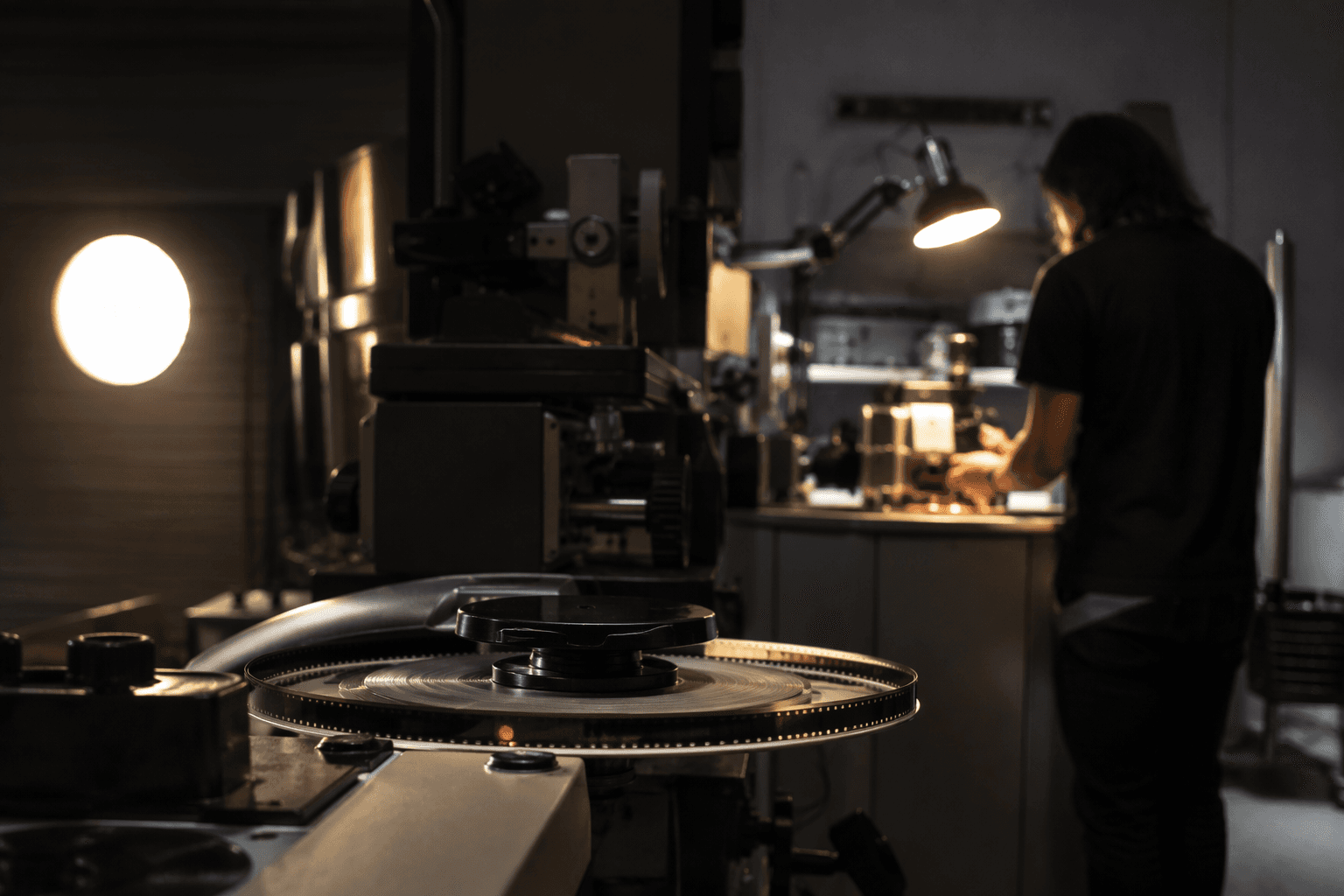
At 1717 Norman Bridge Road in Montgomery, Indie Film Lab gives Alabama film shooters a local place to turn exposed stock into usable images, keep the negative intact, and build a project around the realities of film from day one. Its homepage promises “Film Developing, Scanning & More” and “Keeping film alive since 2011.”
Why this Montgomery lab matters now
When you shoot on film, the work does not stop when the camera comes off the tripod. Exposed negative has to be developed before you can see what you captured, then scanned if you want files for editing, color work, online delivery, or archival storage. Its Montgomery location puts that pipeline within reach for Alabama productions that do not want to ship every roll out of state.
The lab also lists direct contact details: orders@indiefilmlab.com and 334.219.0550. A local lab cuts down on uncertainty and keeps the handoff between shoot day, processing, and edit room much easier to manage.
What Indie Film Lab handles for filmmakers
Indie Film Lab presents itself as more than a drop-off counter. Its Instagram bio reads “Processing and scanning photographic film for photographers from all over the world,” and its blog describes it as “a simple lab dedicated to photographers that still believe in and love film capture.”
Developing the negative
Development is the first hard checkpoint in a film project. Until the roll is processed, there is no way to judge exposure, focus, or whether a scene landed the way you wanted it to. For Alabama independents, that makes the lab part of the production calendar, not an afterthought.
In its FAQ, Indie Film Lab says turnaround times may vary during peak season, June through November. That is a useful reality check for anyone building a short, feature, or archive project around film, because lab time has to be absorbed into the shoot schedule, the rough cut, and the delivery plan. If you are aiming for a festival deadline or a client handoff, you need to account for that window before you shoot the first frame.
Scanning for edit and delivery
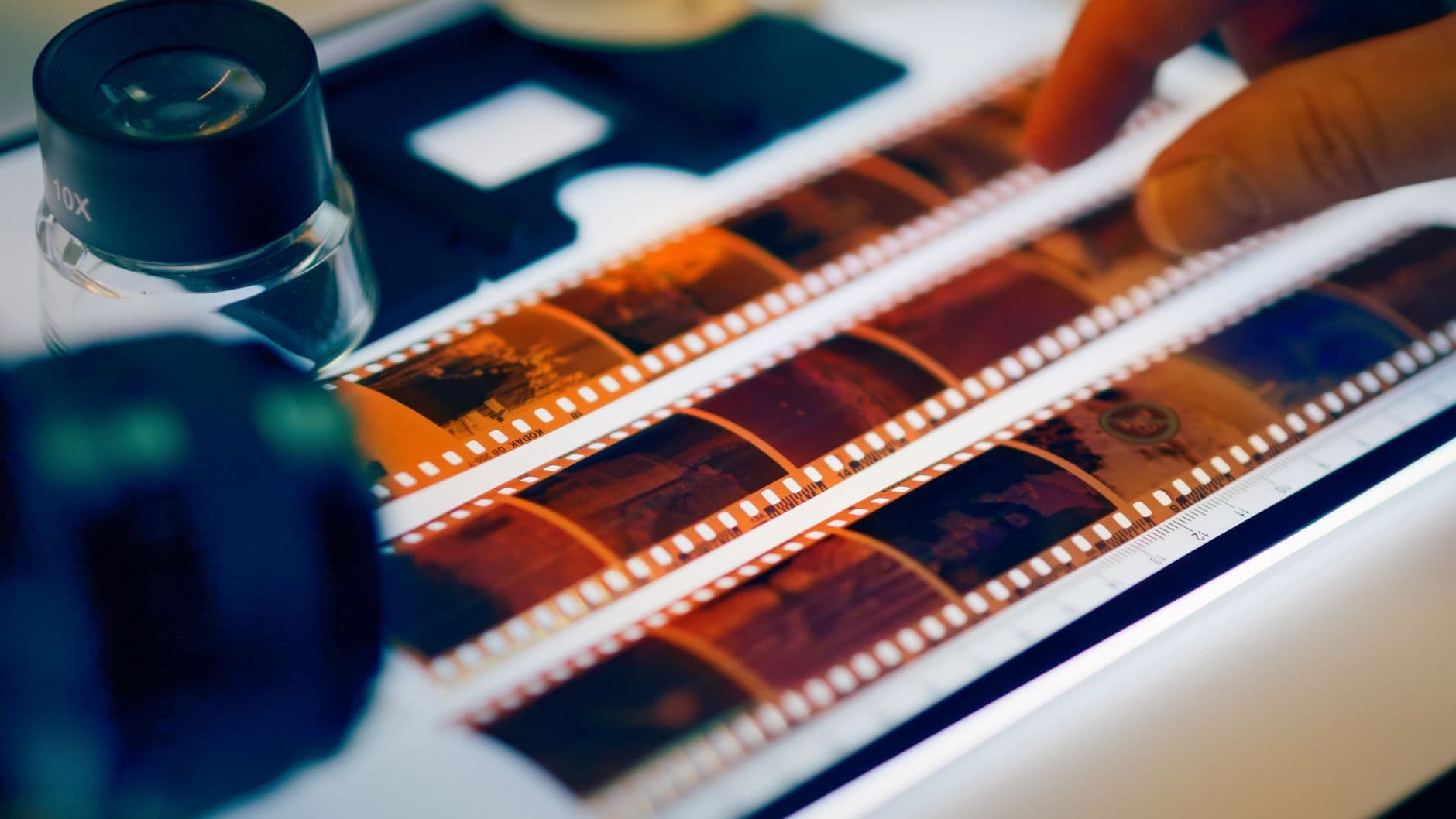
Scanning is where a film project becomes usable in the digital world. The negative gets converted into files you can cut, grade, send to collaborators, and store. But the scan is not a neutral copy, and that is where lab choice starts to shape the look of the project in a very real way.
Film scans can differ from lab to lab because of scanner choice, profiles, color conversion, cropping, and human decisions. For an Alabama filmmaker, that means the lab is part of the image-making process. The same roll can come back with a different feel depending on how those choices are handled, which is why consistency matters when you are trying to build a repeatable look across a project.
If you want the texture, discipline, and deliberate pace that come with shooting on film, the scan has to honor the negative instead of flattening it. Indie Film Lab’s role is to help translate what was shot into a workable post-production file.
Why negatives still need to stay in your hands
Kubus Photo’s film-developing guide reflects a standard practice: professional film labs return negatives, and archival best-practices guidance recommends digitizing the original negative when possible. The negative is the source, and the scan is the working version.
That matters when a project has a longer life than the first cut. If you keep the original negative, you preserve the ability to re-scan later with different settings, a different output target, or a better restoration approach. For older Alabama work that only exists on film, that can be the difference between a piece that stays usable and one that slowly slips out of reach.
A lab like Indie Film Lab is useful beyond brand-new productions. A filmmaker pulling older reels out of storage can use scanning to bring them back into circulation, while still keeping the source material intact.
How to plan a film project around the lab
A clean film workflow usually moves in a straightforward sequence:
1. Load the camera and expose the reel.
2. Send the film to the lab for development.
3. Review the scans and make your edit decisions.
4. Preserve the original negative so it can be re-scanned later if needed.
That process sounds simple, but every step affects money, timing, and final image quality. A production that treats development and scanning as part of pre-production planning will have a much easier time than one that waits until the last roll is shot. If you are balancing a low budget, a festival deadline, and the realities of film stock, those decisions start to matter immediately.
Indie Film Lab keeps a working pipeline alive in Montgomery for people who still want to shoot, process, scan, and preserve on actual film.
This article was produced by Prism’s automated news system from verified source data, official records, and press releases, then run through automated quality and moderation checks before publishing. The system is built and supervised by the people who set the standards it runs under. Read our full AI policy.
Did this article answer your question?