Mobile teen documentary on Clotilda earns state, national attention
Cassie Williams, 13, took her Clotilda documentary from a Mobile classroom to state awards and a Smithsonian showcase, marking an early Alabama film breakout.

A Mobile 13-year-old’s Clotilda documentary won first place in South Alabama, second place in Alabama and a place on the national stage, putting Cassie Williams and Denton Magnet School of Technology at the center of a story Alabama film watchers will recognize fast: local history can still launch real screen work. Williams titled the project Voyage of the Clotilda - Ocean of Tears, and the recognition reached from Mobile classrooms to Washington, D.C.
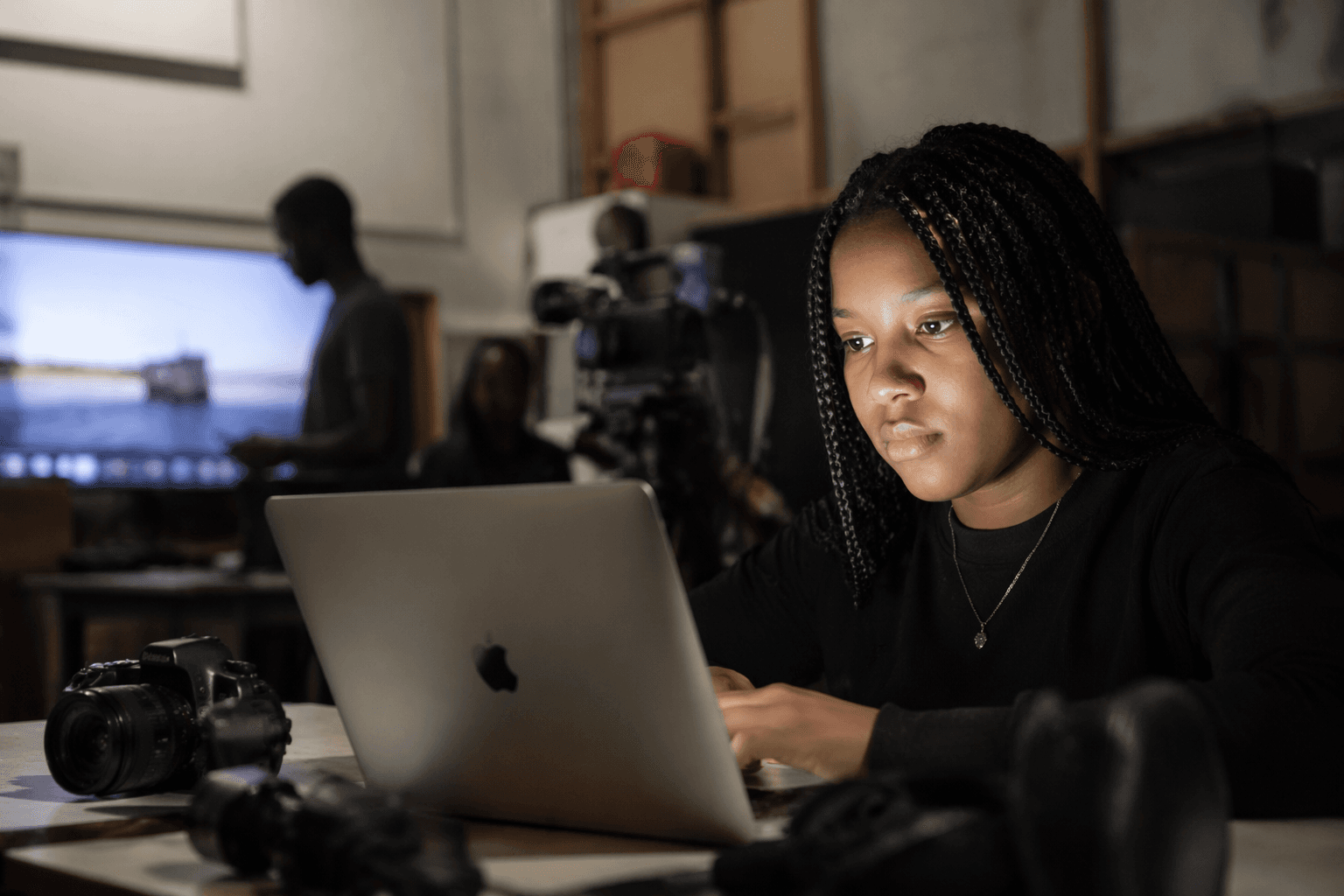
Williams said her mother first showed her a video about the Clotilda, and that moment pushed her toward the subject. Her teacher then introduced her to National History Day, where students build research projects around historical topics and present them in competition. At Denton, Williams is a rising eighth-grader and a member of the school’s History Club, and the project forced her to dig through the history carefully, gather usable images and shape the material for viewers who may not already know the story.
The path ran through the South Alabama Regional History Day competition, where Williams took first place, and the Alabama state contest, held April 9 at American Village, where she placed second. That finish qualified her for the National History Day contest in Washington, D.C., where the 2026 event ran June 14-18 at the University of Maryland in College Park and drew nearly 3,000 students from 49 states and international affiliates. National History Day said 109 student historical research projects were showcased across cultural institutions in the capital, including 22 documentaries at the Smithsonian’s National Museum of African American History and Culture.
The subject Williams chose carries the kind of weight that makes student documentary work feel bigger than an assignment. The Clotilda was the last known ship to bring enslaved Africans illegally to the United States, arriving in 1860 before being burned and hidden in Mobile Bay. The ship carried 110 enslaved men, women and children from Ouidah, in present-day Benin, and was rediscovered in January 2018 before the Alabama Historical Commission conclusively identified it in May 2019.
That history, rooted in Mobile and Africatown, gives Williams’s awards an edge that reaches beyond school recognition. Her work moved from a mother’s video, to a classroom competition, to the Smithsonian showcase, which is exactly the kind of early documentary pipeline Alabama independent film has been waiting to see in action.
This article was produced by Prism’s automated news system from verified source data, official records, and press releases, then run through automated quality and moderation checks before publishing. The system is built and supervised by the people who set the standards it runs under. Read our full AI policy.
Did this article answer your question?