Sidewalk Film 101 spotlights The Watermelon Woman and indie film history
Sidewalk Film 101 turns The Watermelon Woman into a live lesson on queer Black indie film history, with Birmingham audiences getting the film in context, not just on a screen.
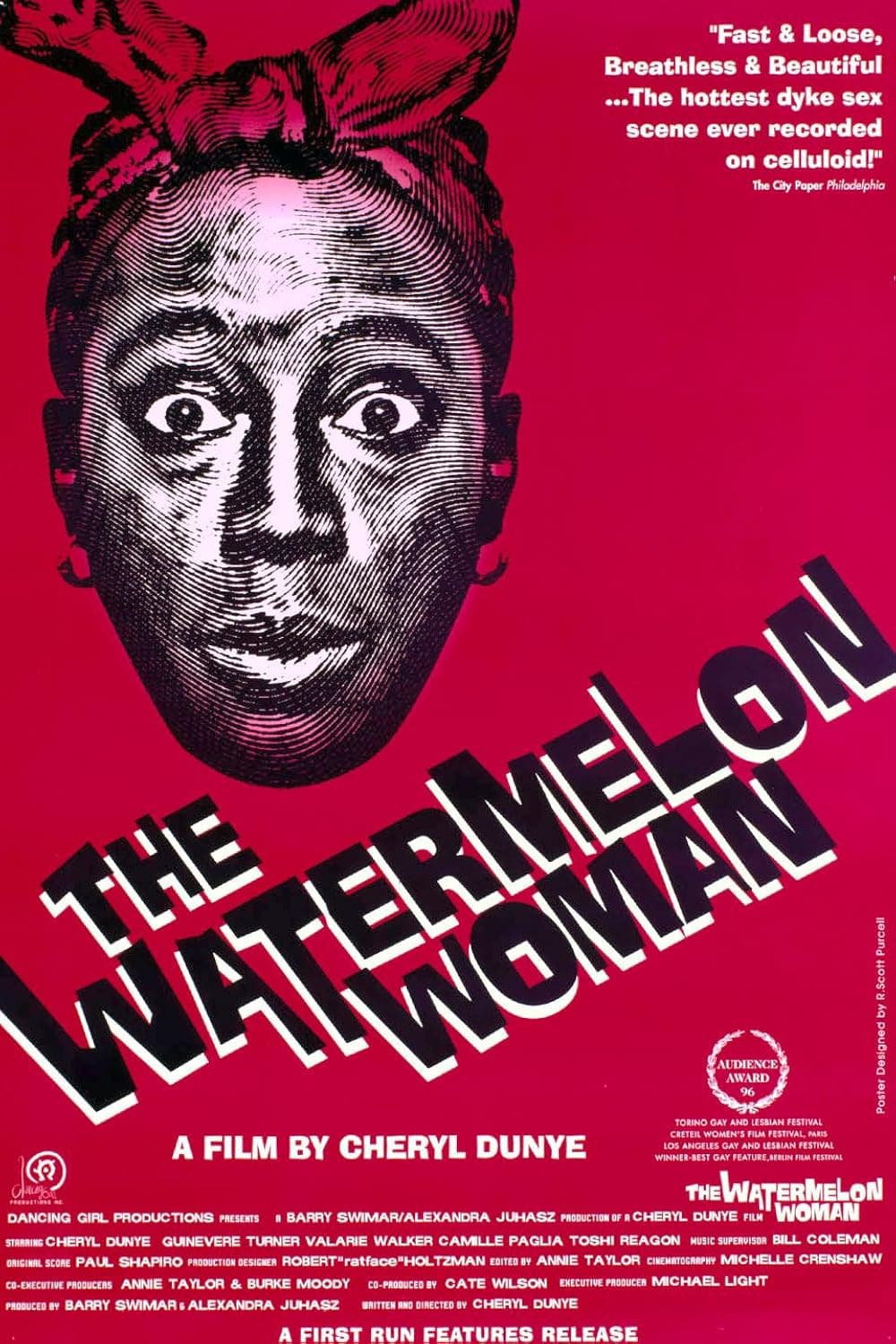
Sidewalk Film 101 is doing what the best repertory programs do: turning a screening into a class. With Cheryl Dunye’s The Watermelon Woman on the June lineup, Birmingham audiences get more than a return visit from a landmark indie title. They get a guided entry point into independent film history, queer Black cinema, and the archival questions that still shape what gets remembered.
A screening that teaches the language of indie film
Sidewalk’s Film 101 series is built around canonical masterpieces, and the structure matters. Each month’s screening comes with a programmer introduction that places the film in historical context, plus supplementary reading assignments for viewers who want to go deeper. That makes the program feel less like a standard repertory booking and more like an ongoing film seminar built into the city’s cultural calendar.
For Alabama independent film audiences, that approach is especially valuable because it treats film history as something living and local, not sealed off in archives or classrooms. Sidewalk is using its theater as a community education space, which means viewers can encounter a major work of indie cinema in the same place they discover new releases. That bridge between access and context is exactly what keeps a film scene healthy.
The June screening is set for June 18, 2026, at 7:00 p.m. at Sidewalk Film Center + Cinema in downtown Birmingham. Sidewalk’s listing gives the film’s runtime as 90 minutes, and the venue itself is described as an 11,400-square-foot facility in The Pizitz Building in Birmingham’s historic theatre district at 1821 2nd Ave. N. Those details matter because they show how deeply the program is rooted in place, even as the film reaches far beyond the city.
Why The Watermelon Woman still cuts through
Dunye’s 1996 debut feature remains one of the essential statements in American independent cinema because it brought something bracingly new to the screen: a vibrant representation of Black lesbian identity by a Black lesbian filmmaker. Sidewalk’s own description gets at the force of the booking, calling it a “wry, incisive debut feature” that opened up a space cinema had largely ignored. That is not just a credit line or an era marker; it is the reason the film still commands attention nearly three decades later.
At the center of the film is Cheryl, a video-store clerk and aspiring filmmaker who investigates a forgotten 1930s actress known as the Watermelon Woman, Fae Richards. The premise is part mystery, part self-portrait, and part act of recovery. It asks who gets written into film history and who is left out, especially when the people most likely to preserve those stories have had the least institutional power.
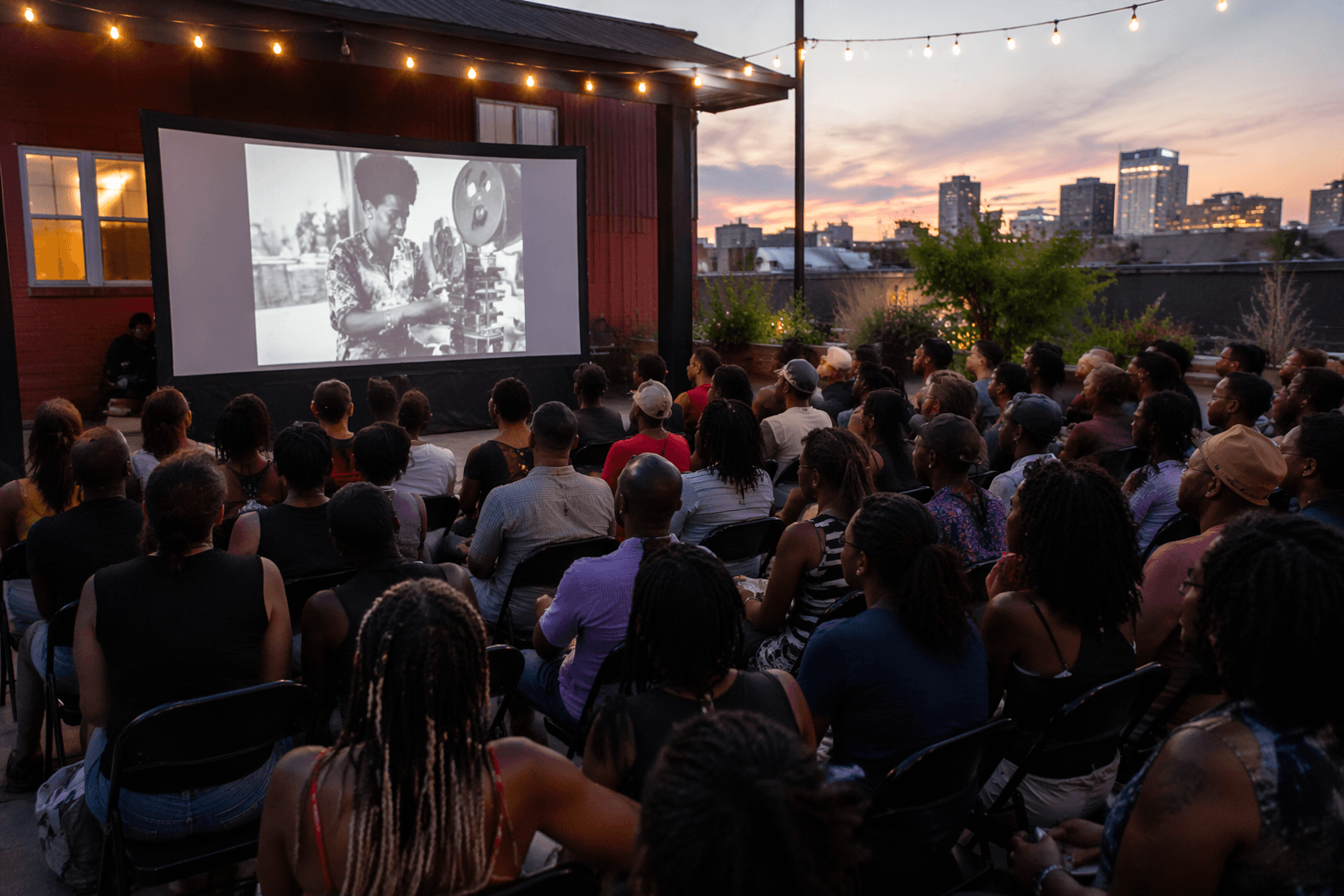
That is why the film fits so cleanly into Sidewalk Film 101. It is not only a key work of 1990s indie cinema, but also a movie about how independent film makes room for voices and stories mainstream cinema once pushed aside. The film’s mix of low-budget invention, personal storytelling, and political self-definition is exactly the kind of lineage local audiences need to see mapped clearly.
A landmark in queer Black film history
The Watermelon Woman’s place in queer film history has long been secure. The British Film Institute describes it as a landmark of New Queer Cinema and the first U.S. feature directed by an out Black lesbian, which helps explain why the film is still so often invoked in discussions of representation and movement-making. Its significance is not limited to what it depicts; it also matters because of who made it and what that authorship made possible.
The film was also recognized at the 1996 Berlinale, where it won the Teddy award for best narrative feature. That international festival recognition put Dunye’s work into a broader conversation about queer cinema at a moment when independent film circuits were still defining the terms of visibility. For Birmingham viewers, that history gives the screening additional weight: this is a film that helped shape the map others now travel.
The movie’s archive-minded structure remains one of its most studied qualities. The Academy Museum describes it as engaging Jacques Derrida’s idea of “archive fever,” which captures the film’s fascination with records, gaps, and the instability of official memory. That makes the story more than a playful meta-mystery. It becomes a critique of how history gets assembled, preserved, and authorized.
From festival acclaim to national preservation
The Watermelon Woman’s afterlife has only reinforced its status. In 2021, the Library of Congress selected it for the National Film Registry, an honor that goes to 25 films each year and signals the film’s importance to American film heritage. Women Make Movies noted the Registry addition that year, placing Dunye’s film alongside works chosen for long-term preservation and cultural recognition.
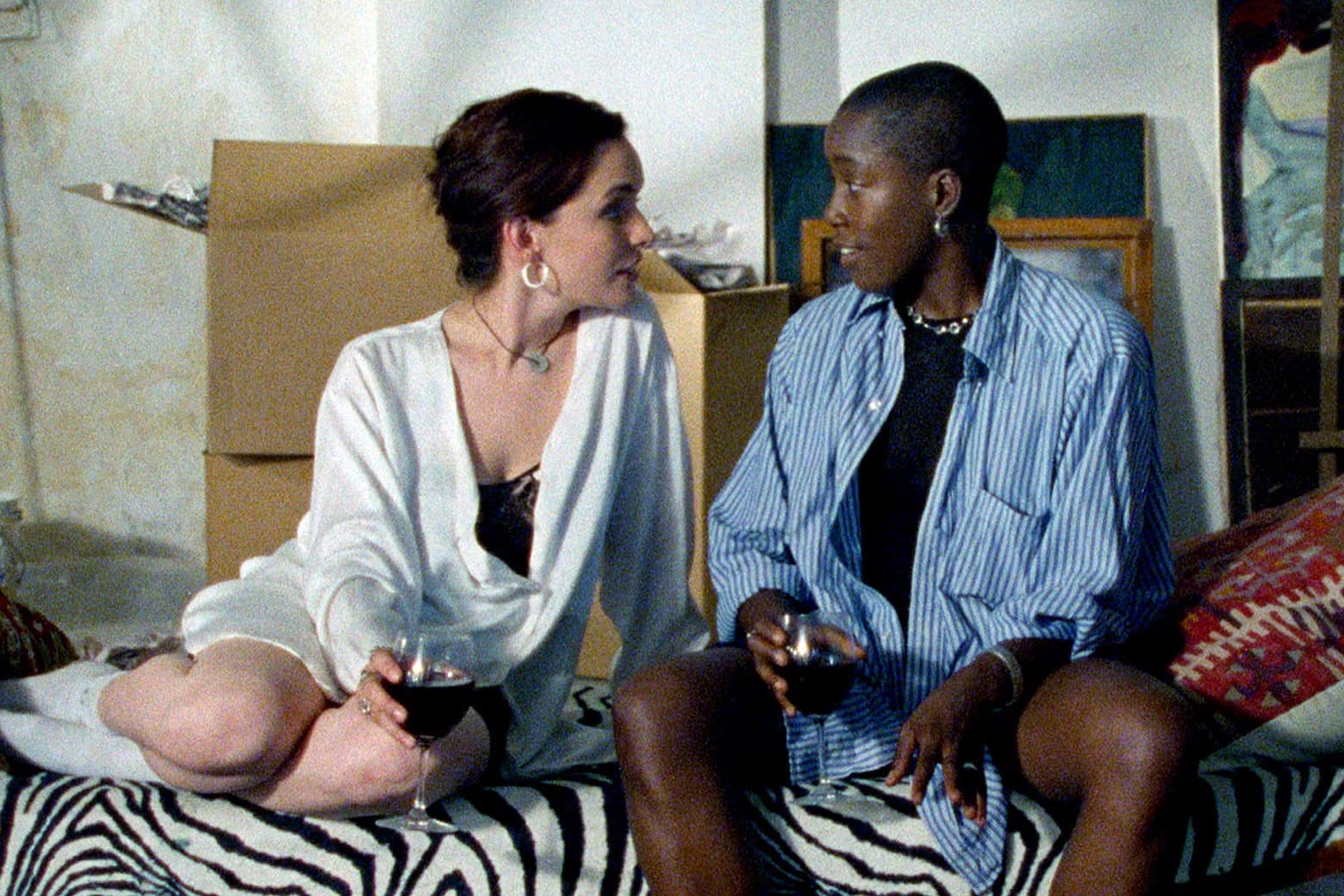
That preservation milestone matters because it confirms what independent film audiences have understood for years: some movies become more important with time because later viewers need them to fill in the gaps left by the mainstream canon. The Watermelon Woman is one of those films. It remains a reference point for artists, programmers, scholars, and viewers who care about the histories that make up independent cinema’s real inheritance.
The film’s continued appearance in scholarly and museum conversation also shows how much there is still to unpack. The Academy Museum’s framing around archive fever points to the film’s resistance to tidy historical storytelling, while the broader critical discourse keeps returning to its questions about evidence, authorship, and visibility. That makes Sidewalk’s screening especially useful as an entry point for viewers who may know the title but have never had the chance to encounter it in a guided setting.
What Birmingham gets from the booking
This is where Sidewalk Film 101 does its best work. By pairing The Watermelon Woman with context, the series makes the case that indie film history is not abstract or distant. It is built from works like Dunye’s debut, films that challenged the limits of representation while expanding what independent cinema could be.
For Birmingham’s film community, the screening offers a practical reminder that repertory programming can still function as civic education. It keeps underseen lineages alive, especially the queer Black film history that is too often flattened into footnotes. And it shows why a local theater in The Pizitz Building can still feel like a site of discovery, not just exhibition.
Sidewalk Film 101 is not simply bringing back a celebrated 1996 film. It is placing The Watermelon Woman where it belongs, in conversation with the history it helped build, and giving Birmingham audiences a clear view of why that history still matters.
This article was produced by Prism’s automated news system from verified source data, official records, and press releases, then run through automated quality and moderation checks before publishing. The system is built and supervised by the people who set the standards it runs under. Read our full AI policy.
Did this article answer your question?


