Sidewalk Film to host Juneteenth screening of Selma and discussion
Sidewalk paired a free Juneteenth screening of Selma with a post-film talk led by Kiarica Smith and Dr. Lisa Daniels, turning the movie into a civic conversation.
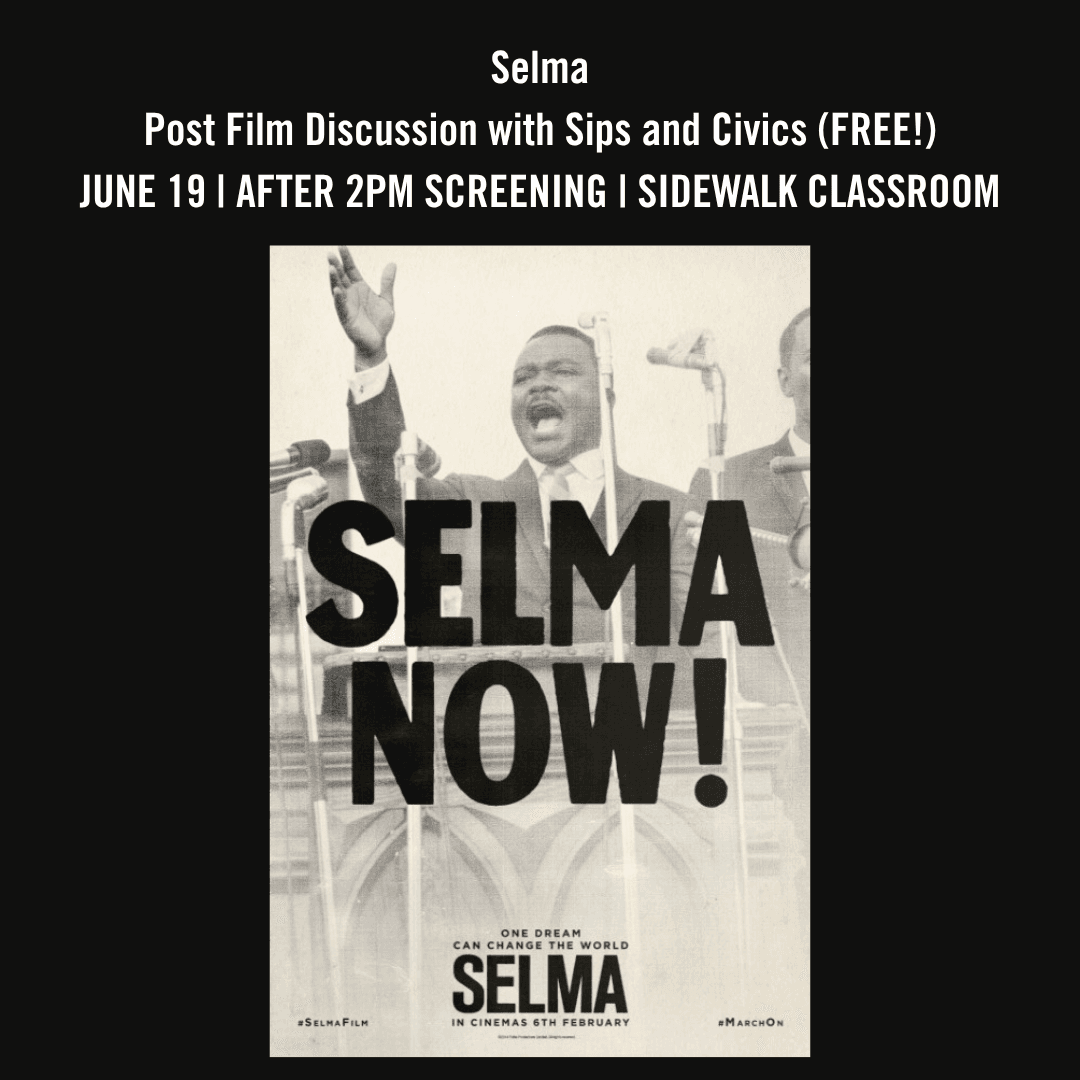
Sidewalk Film Center + Cinema made the credits only the start. After the 2 p.m. Juneteenth screening of Selma on June 19, Kiarica Smith and Dr. Lisa Daniels led a discussion in the Birmingham theater’s classroom, giving audiences a chance to stay, talk through the film and connect its history to civic life now. The event was free, and Sidewalk said reservations were strongly recommended but not required.
The setup reflected more than a standard repertory booking. Sidewalk’s Sips and Civics team framed the evening as a community conversation, not just a screening, in a space designed for exactly that kind of exchange. Sidewalk Film Center + Cinema, a two-screen independent movie theater in Birmingham’s historic theatre district, has long leaned on its role as a nonprofit dedicated to encouraging filmmaking in Alabama and building audiences for independent film. Here, that mission met one of the state’s most defining stories.
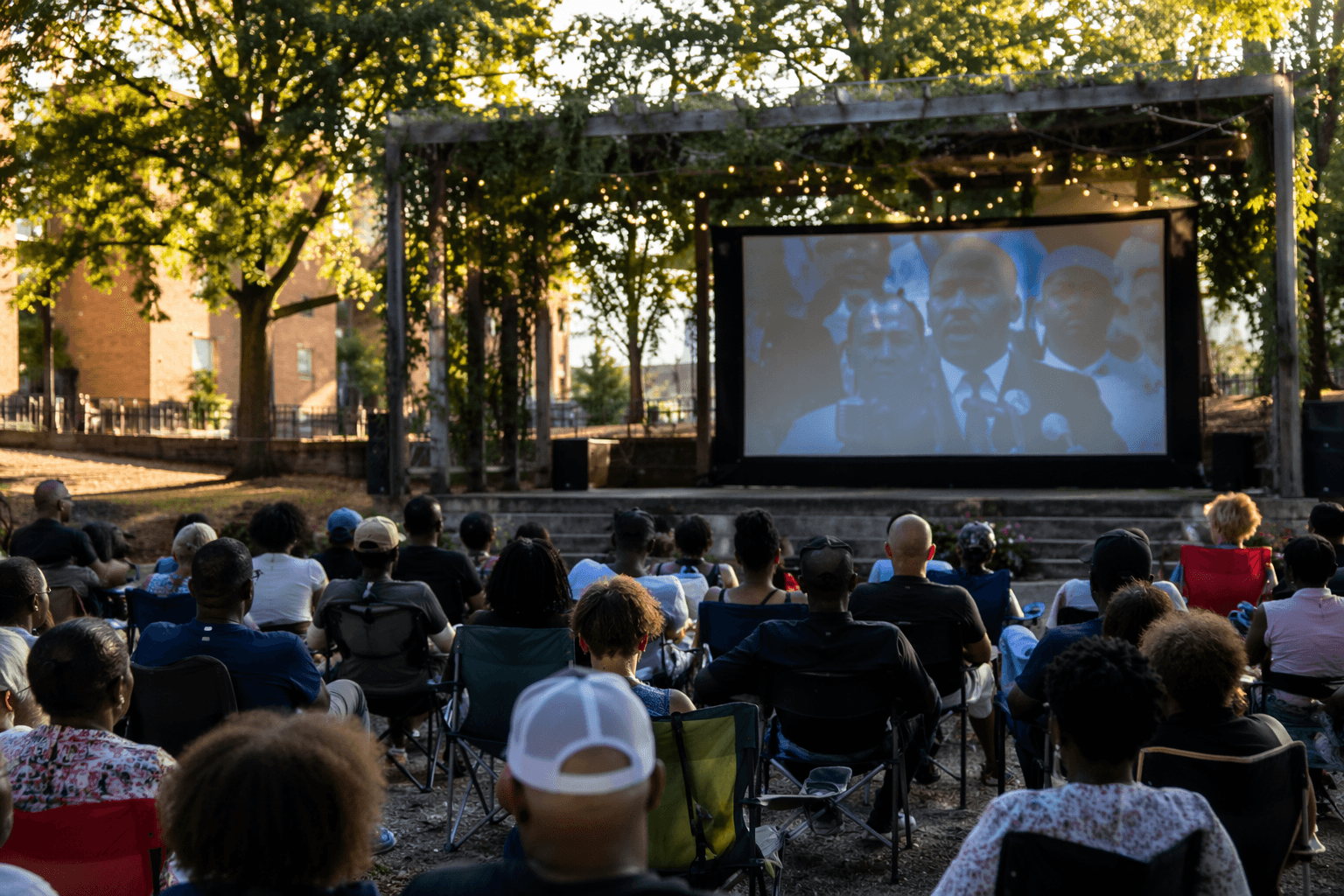
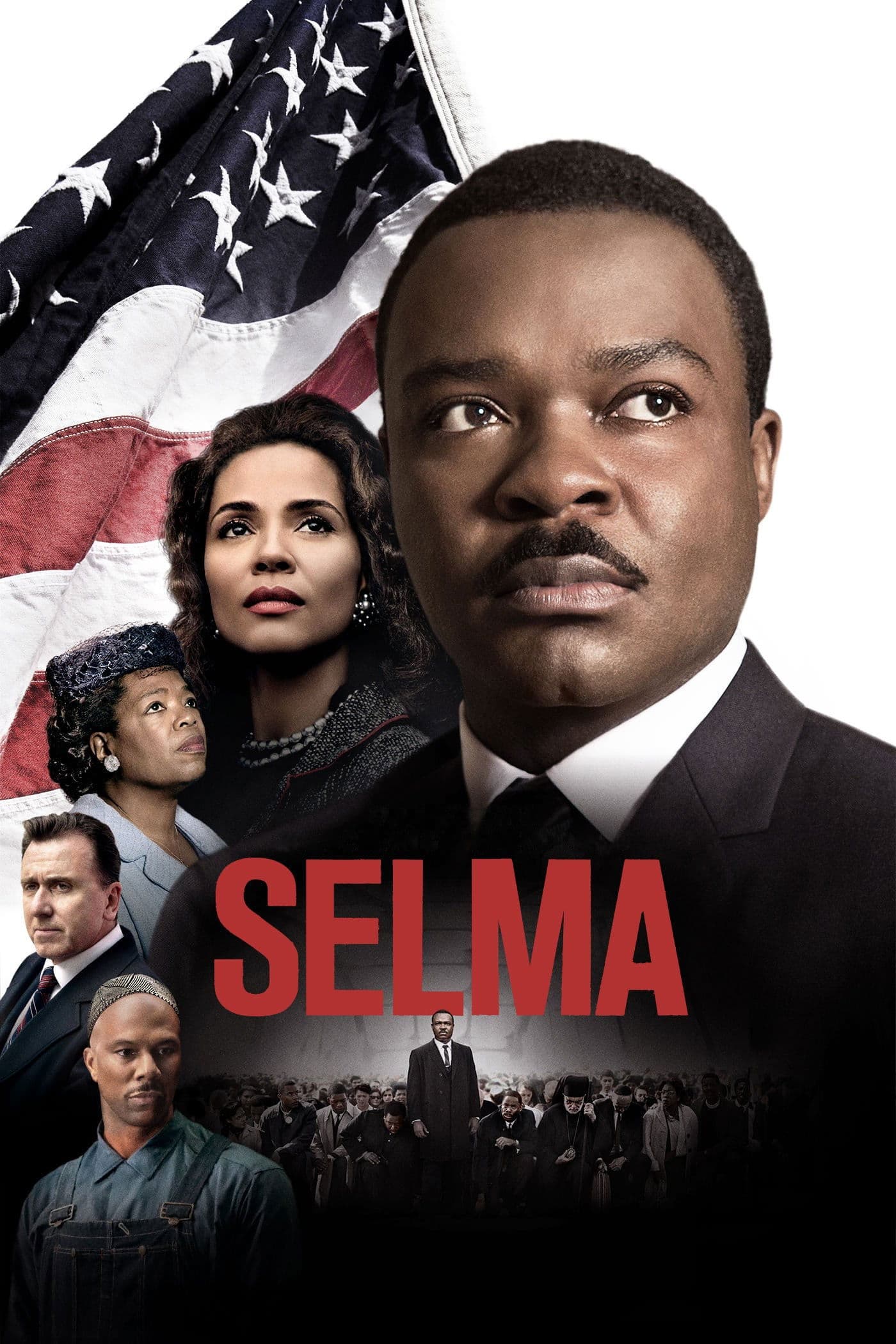
Ava DuVernay’s 2014 film centers on the Selma-to-Montgomery voting rights marches, when Dr. Martin Luther King Jr. and other activists pushed forward despite violent opposition. On March 7, 1965, about 600 nonviolent protesters left Brown Chapel A.M.E. Church in Selma and were attacked on the Edmund Pettus Bridge. Two weeks later, on March 21, nearly 8,000 people began the five-day march to Montgomery. President Lyndon B. Johnson signed the Voting Rights Act into law on August 6, 1965, and Congress later established the Selma to Montgomery National Historic Trail in 1996 to commemorate the route, people and events of the march.
That historical weight is part of what made the programming land so clearly in Birmingham. Juneteenth marks June 19, 1865, when Union soldiers arrived in Galveston, Texas, to enforce emancipation for enslaved African Americans, and Sidewalk’s pairing of Selma with a live discussion gave the holiday a distinctly Alabama shape. Film Birmingham also listed the same June 19 event, underscoring how firmly it sat inside the local film calendar.
For Birmingham audiences, the value was in staying after the film ended. The discussion made the screening into a forum for public history, voting rights and film culture at once, with local voices guiding the conversation in a room built for exactly that kind of civic exchange.
This article was produced by Prism’s automated news system from verified source data, official records, and press releases, then run through automated quality and moderation checks before publishing. The system is built and supervised by the people who set the standards it runs under. Read our full AI policy.
Did this article answer your question?


