Sundance Panel Explores Ethical Filmmaking and Prison Arts for Alabama Documentarians
A Sundance-side panel on Jan. 24, 2026 examined ethical filmmaking inside prisons and collaborative carceral arts, offering practical guidance for Alabama documentarians covering corrections.
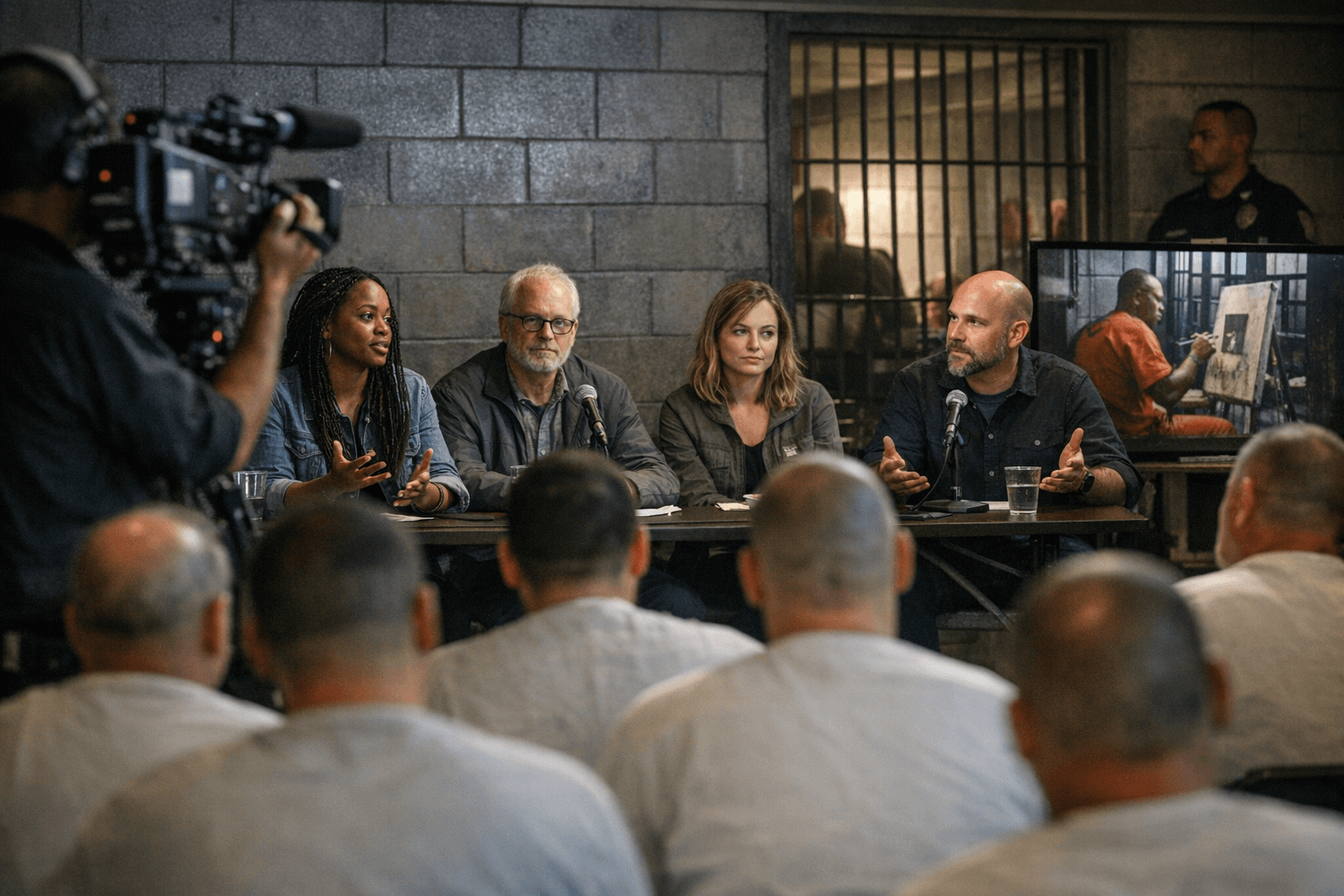
A Sundance-side panel titled "Filmmaking and the Arts in Pr*son" convened during Sundance 2026 to probe how filmmakers and justice-impacted cultural leaders collaborate on storytelling inside prisons. The session focused squarely on ethical storytelling, collaborative production models, representation, and how arts practices can create pathways to healing and accountability - topics that carry immediate weight for Alabama documentarians working on projects about the state corrections system.
Held Jan. 24, 2026, the panel brought together filmmakers and justice-impacted cultural leaders to compare approaches and trade practical tools. Panelists framed the conversation for filmmakers and programmers interested in carceral arts projects, stressing the distinctions between extractive documentary practices and collaborative, community-centered models. The session emphasized that ethical risk assessment, transparent authorship, and meaningful compensation are core considerations when working with incarcerated or formerly incarcerated participants.
For Alabama-based documentarians, the discussion underscored several operational realities. Access to correctional facilities requires layered permissions and institutional navigation; projects that incorporate arts workshops or collaborative production benefit from building long lead times and local partnerships. Careful consent protocols and trauma-informed on-set practices reduce harm when recording sensitive material, and co-creative editing practices help center the voices of justice-impacted collaborators rather than relegating them to background testimony.
The panel also addressed representation and accountability. Participants argued that crediting, shared ownership of materials, and clear distribution plans matter for both ethical integrity and long-term impact. Carceral arts projects that integrate community screening strategies, partnerships with reentry organizations, and follow-up support can translate film work into tangible pathways toward healing and civic engagement.
Practical takeaways for Alabama filmmakers include budgeting for participant compensation, securing legal releases that reflect current incarceration statuses, and investing in training on trauma-informed interviewing. Programmers planning festival runs or community exhibitions should plan for moderated discussions and wraparound services for participants who attend screenings. These steps help ensure that films about Alabama's corrections landscape do not replicate harm and instead bolster the voices of justice-impacted people.
As the Sundance conversation closed, Alabama documentarians now face a clearer mandate: prioritize collaboration, protect participants, and design projects that lead to accountability and healing. Filmmakers working on or considering carceral arts projects can use these ethical frameworks to shape production plans, festival strategies, and community partnerships going forward.
This article was produced by Prism’s automated news system from verified source data, official records, and press releases, then run through automated quality and moderation checks before publishing. The system is built and supervised by the people who set the standards it runs under. Read our full AI policy.
Did this article answer your question?


