What makes a film count as Alabama independent cinema?
A film counts as Alabama indie when its ties are real: Alabama shoot, Alabama-based filmmaker, or Alabama cast and crew. Sidewalk turns that into a practical test.

An out-of-state director with an Alabama story does not automatically make the cut. For Sidewalk’s Alabama lane, the real test is concrete: where the film was shot, who made it, and whether Alabama cast and crew were involved. That makes the category useful for filmmakers trying to place a project, because it rewards real connections to the state instead of forcing every title into a narrow “about Alabama” box.
Start with the tie, not the theme
Sidewalk Film’s Alabama Film Spotlight and Cinema Spotlights definition is straightforward. The films in this lane are those shot in Alabama, made by an Alabama-based filmmaker, or using Alabama cast and crew, sometimes all three. Sidewalk’s 2025 Alabama Spotlight Night used a similar frame, describing its shorts as works by Alabamians or about Alabama. Put together, those two descriptions show how Alabama independent cinema is understood in practice: as a mix of geography, authorship, and local labor.
That matters because it answers the gray areas filmmakers care about most. A film can be rooted in Alabama even if the setting travels elsewhere. A filmmaker based in Alabama can still belong in the conversation even when the shoot happens outside the state. And a production shot in Alabama with a local crew can qualify even if the screenplay is set far from Birmingham, Mobile, or Montgomery. The subject alone is not the whole test.
A simple checklist filmmakers can actually use
If you are trying to decide whether a project belongs in Alabama indie cinema, start with three questions:
- Was any meaningful part of the film shot in Alabama?
- Is the filmmaker based in Alabama?
- Did the production use Alabama cast and crew?
If the answer is yes to one or more of those, the project fits the way Sidewalk already programs this work. If the answer is only that the story is set in Alabama, that may still help with identity and programming, but it is not the strongest proof on its own. The cleanest fits usually come from visible, verifiable ties on the page and on the call sheet.
The most useful way to think about it is this: Alabama indie film is about place, but not just subject matter. It is also about where the labor comes from and who gets to claim the work.
Why Sidewalk’s definition carries weight
Sidewalk is not just using Alabama as a loose branding term. It is a federally recognized 501(c)(3) nonprofit dedicated to encouraging filmmaking in Alabama and building audiences for independent film. That mission shows up in more than one part of the organization’s work, including its curated programming lanes that treat film through identity, community, history, and region.
The organization also gives that mission a permanent home in Birmingham. The Sidewalk Film Center + Cinema is a two-screen independent movie theater in Birmingham’s historic theatre district, which means Alabama independent film does not stop when festival season ends. There is a year-round place for screenings, audience building, and the kind of local conversation that helps a scene feel like a scene.
The state infrastructure behind the label
The Alabama independent film label also sits inside a production system that has been in place for years. Alabama’s entertainment incentive program was passed in 2009, and a legislative fiscal report says the state, through the Alabama Film Office, is authorized to award up to $20 million each year to qualifying productions. The current film-and-TV incentive page says projects spending $500,000 to $20 million in Alabama may receive a 35% rebate on payroll paid to Alabama residents and a 25% rebate on other qualified production expenses.
That incentive structure helps explain why the Alabama label is more than a cultural idea. It is tied to where productions can realistically shoot, hire, and spend. The state also points to a growing and ready talent pool of experienced crew members and support services, which gives filmmakers a reason to build projects around local labor instead of treating Alabama as a one-time location stop.
In 2025, the state expanded that creative economy push by adding music production to the incentive program and renaming the Alabama Film Office as the Alabama Entertainment Office. The office’s mission now is to accelerate the state’s economy and create jobs by attracting qualified film, music, and television productions to Alabama. For filmmakers, that widens the lane without changing the core idea: the state is still rewarding work that is genuinely made here.
How this plays out in real scenarios
A few common scenarios make the standard easier to apply.
A Birmingham-based director shoots a short in Georgia with an Alabama cast and postproduction team. That project still has a serious Alabama identity because the filmmaker base and labor are here.
An Atlanta-based filmmaker shoots a feature in Mobile with mostly Alabama crew. That film can still read as Alabama independent cinema because the production itself creates local work and uses the state as more than scenery.
A director from outside Alabama makes a film about Huntsville history but films elsewhere and uses no Alabama cast or crew. That project may be Alabama in subject, but under Sidewalk’s track it has a weaker claim unless it also has a stronger in-state production tie.
That is the practical distinction readers need. Alabama indie cinema is not a quiz about whether a story contains the state’s name. It is a working test of whether the project is tied to Alabama through craft, labor, place, or authorship.
Where the category shows up next
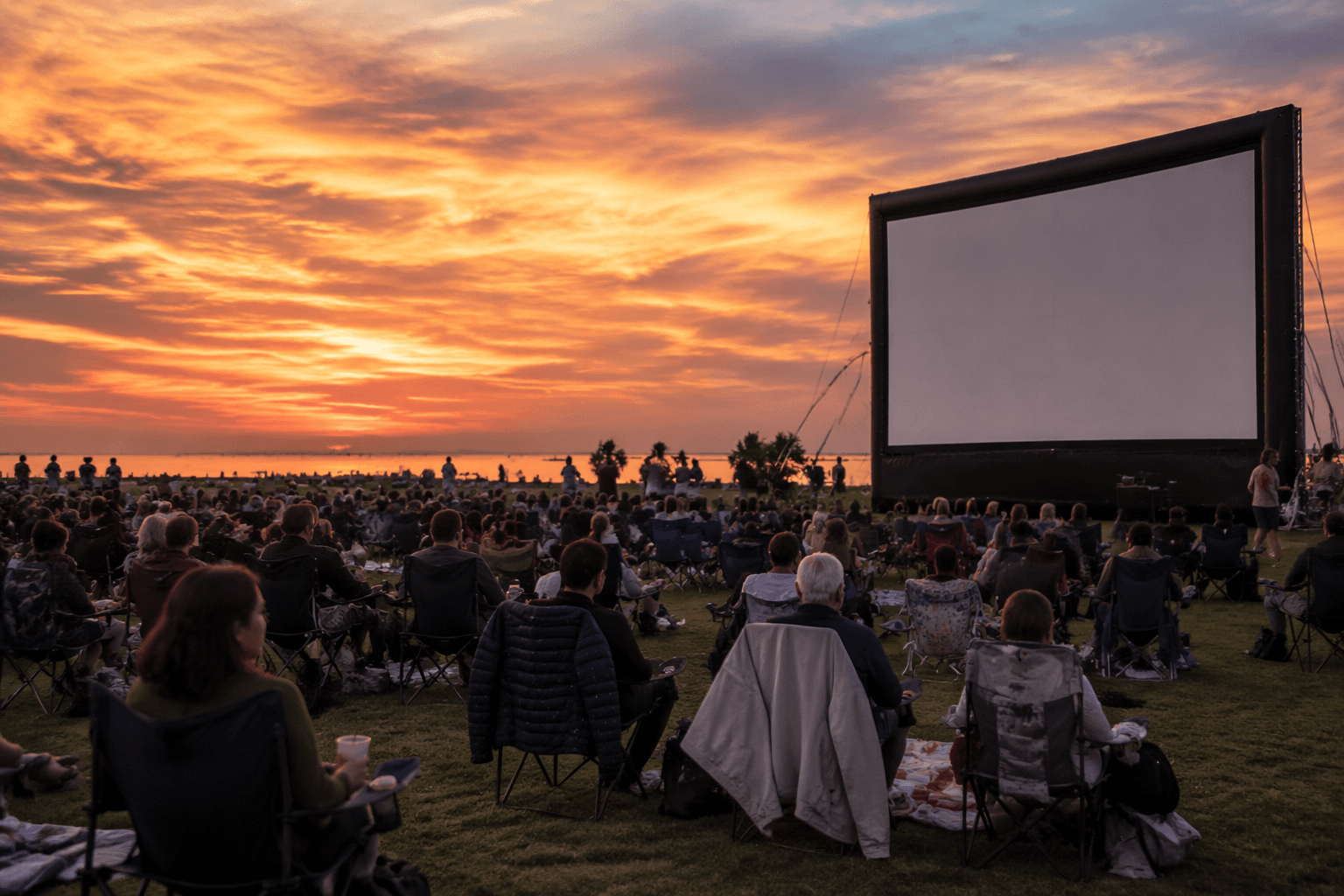
Sidewalk’s 28th Annual Sidewalk Film Festival is scheduled for August 24 to 30, 2026 in downtown Birmingham’s Historic Theatre District and will feature more than 200 films, along with Q&As, panels, workshops, networking events, and parties. Alabama-tied work has already appeared as a recurring part of the festival’s programming, including the Alabama Spotlight Night shorts lineup and the Alabama Film Spotlight listing.
That is why the question keeps coming back in practical terms. If you are building a short, a feature, or a microbudget project and want to know whether it belongs in Alabama independent cinema, the answer starts with concrete connections, not abstract identity. If the film is shot here, made by an Alabama-based filmmaker, or built with Alabama cast and crew, it is already speaking the language this community recognizes.
This article was produced by Prism’s automated news system from verified source data, official records, and press releases, then run through automated quality and moderation checks before publishing. The system is built and supervised by the people who set the standards it runs under. Read our full AI policy.
Did this article answer your question?