JOOLA sues 11 paddle brands over alleged technology copying
JOOLA filed suit against 11 paddle brands, and the real pickup for rec players may be what happens to prices, approvals, and clone-heavy models.
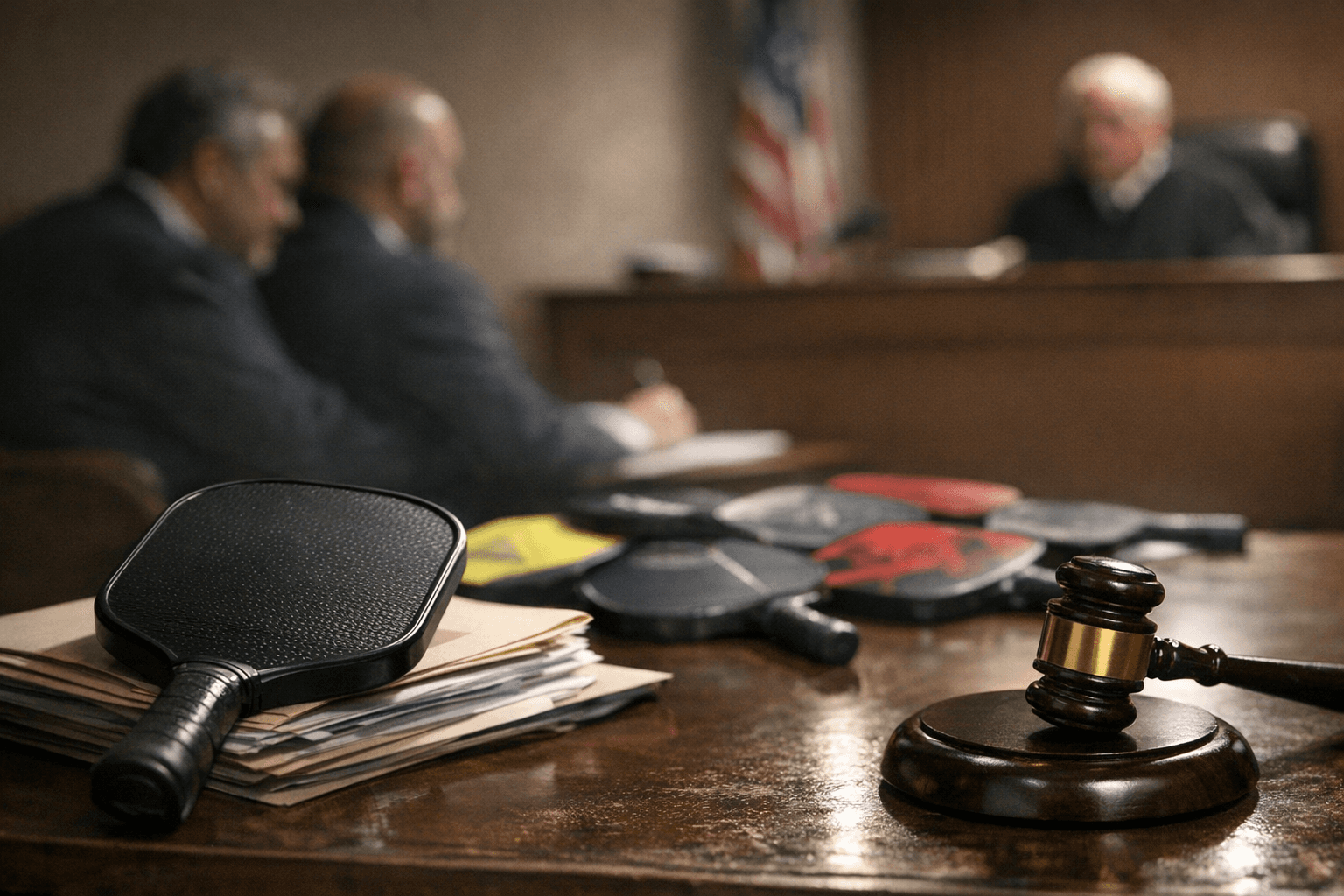
JOOLA has taken its paddle fight from the display wall to the courthouse, filing patent infringement litigation against 11 paddle brands over what it says is copied propulsion core technology. The move turns a familiar pickleball shopping problem, too many similar-looking paddles with big performance promises, into a legal battle over who gets to claim the engineering behind them.
In an April 7 update, JOOLA said the case is meant to protect its own innovation, stop copycats from diluting product quality, and defend the investment required to build new equipment. That framing matters because it puts the company’s lawsuit in the language of product development, not just market share. JOOLA is arguing that the technology inside its paddles is not a marketing gimmick but something worth defending aggressively.
For recreational players, the immediate effect is likely to be subtle rather than dramatic. Most weekend games will go on exactly the same way. But the case could influence what shows up in pro shops, online listings, and club demo bins if sellers become more cautious about which paddle designs they stock and promote. Once a major brand starts litigating over core technology, retailers and players tend to pay closer attention to brand reputation, approval status, and whether a model is too close to something already under challenge.
The bigger issue is how crowded the paddle market has become. JOOLA’s move signals that paddle innovation now carries enough value to trigger serious legal action, which is a sign of a maturing sport equipment market. For amateur buyers, that can cut two ways: more original designs from companies trying to stand out, but also more confusion when similar-feeling models arrive with different labels, and possibly higher prices if manufacturers pass legal costs along.
It could also put pressure on smaller brands that built their pitch around performance features that look a lot like the leaders in the category. If those companies pull back, delay launches, or sharpen their claims, the ripple effect may show up less in the court docket than in the aisle where players compare specs and try to figure out which paddle is actually different.
For now, the lawsuit looks less like a problem that will empty the rec courts and more like an industry power fight with real downstream effects. The players most likely to notice first are the ones shopping for a new paddle this season, especially if familiar model names start changing, disappearing, or arriving with more cautious claims.
Know something we missed? Have a correction or additional information?
Submit a Tip