Martinez Closes $1.5M Pickleball Courts Permanently Over Noise, Parking Complaints
A $1.5M federally funded pickleball facility in Martinez lasted just one year before neighbors forced a unanimous council vote to shut it down — 41% said the noise was wrecking their sleep.
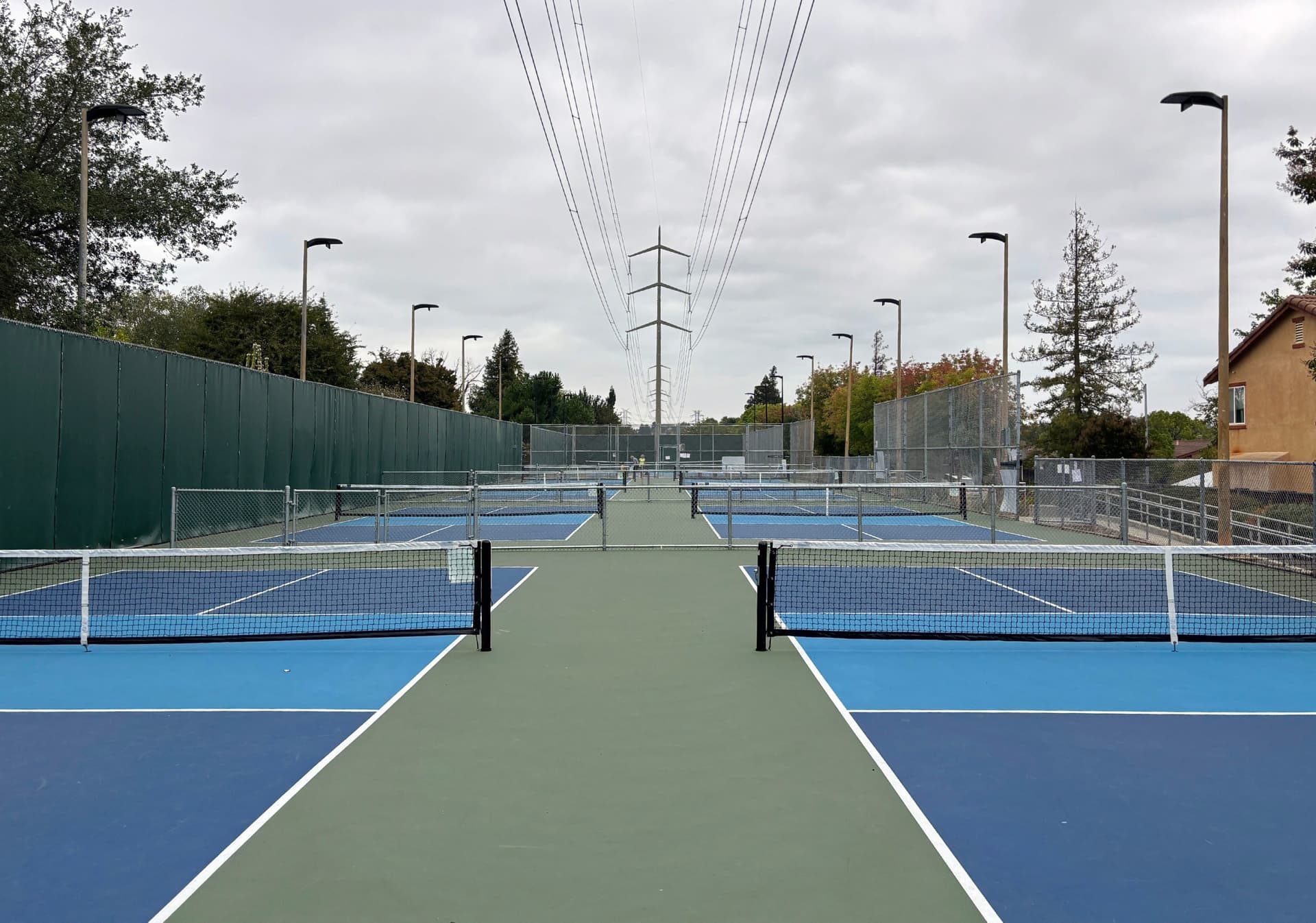
What happened in Martinez, California is the cautionary tale the pickleball world has been watching unfold in slow motion for years: a gleaming new facility, celebrated on opening day, dismantled by the very neighborhood it was built to serve.
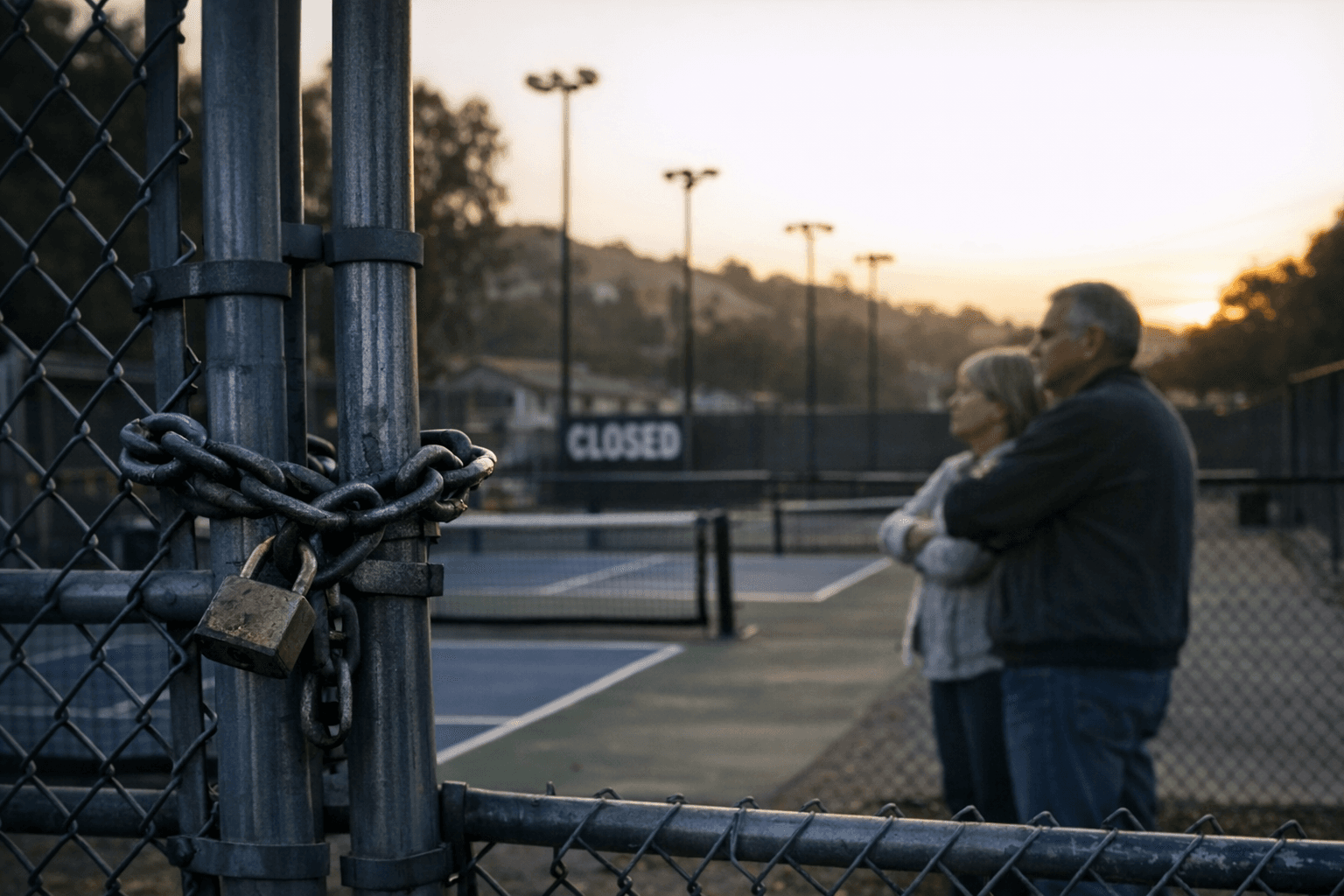
The Martinez City Council voted at its March 18 meeting to permanently discontinue pickleball play at the Hidden Valley Sports Courts. The vote was 4-0, with Vice Mayor Jay Howard absent. Upon approval, city employees immediately began locking the facility and removing its nets.
The renovated courts opened on February 28, 2025, following conversion of existing tennis courts. City staff had recommended permanently closing the eight courts due to persistent noise and traffic and parking complaints from nearby residents. The project cost roughly $1.5 million according to the city's own press materials, though NBC Bay Area reported a figure of $1.7 million. Either way, the improvements were predominantly funded through one-time federal COVID-era relief funding.
The problems started almost immediately after opening day. The courts quickly grew popular, but may have been too popular for their own good, drawing noise and parking complaints from nearby residents. Some homes were located as close as 50 or 100 feet from the courts. That proximity proved fatal to the project: a staff report noted that national research shows pickleball noise issues have been a problem in communities across the country, with some cities facing costly litigation, and that some municipalities have adopted standards of putting courts at least 300 feet from homes.
The city did not close the courts without a fight. Staff reduced court hours, and Community and Recreation Services employees managed the locking and unlocking of gates to enforce those restrictions. The city reported pickleball players breaking in to play during closed hours. A neighborhood survey conducted last fall found that the nuisance was real and measurable: 41% of respondents said the courts were negatively impacting their sleep. One anonymous survey respondent was unsparing: "I hate these pickleball courts. The noise level from the paddles striking the stupid plastic balls is way too loud. These pickleball courts need to be closed immediately and permanently."
Nearby resident Lucas Shedd described his daily reality at the council meeting. "It's become almost like torture," he said. He told reporters he regularly had to shut all his windows and play music to drown out the sound. Tyler Harding, another public commenter at the meeting, described parties at the courts with alcohol, smoking, loud noise, and people not following the court hours. "I feel like we deserve the right to peace and privacy in our own home without living next to what sounds like a gun range peppered with profanity," Harding said.
Staff also engaged an independent acoustical engineer with expertise in pickleball who reviewed the court design and operations. After analysis, the engineer did not identify any mitigation measures that would adequately resolve the noise impacts given the courts' proximity to neighboring residences. That conclusion left the council with nowhere to go.
Mayor Brianne Zorn offered a candid post-mortem at the meeting. "My lesson's learned from this entire ordeal is I have to do a better job of questioning the professionals who give us guidance," she said. Councilmember Debbie McKillop, representing District 4, echoed the sentiment: "We need to find the right place for pickleball playing. Unfortunately, the site we have it at currently — at the park — is not the ideal site."
For the players who had waited years for dedicated courts, the closure stings. Wilma Murray, an early advocate for pickleball in Martinez, captured the mood simply: "We're all really sad. We're all really disappointed. We had high hopes for these courts." Murray, who noted that court etiquette had declined as popularity surged, said she empathized with the neighbors but wished a better solution had been found.
Player Brian Lim pushed back on the idea that the sport itself is the problem. "I think it's a very accessible sport," he said. "It's very easy to play, it's very family-friendly." Resident Ann Ji raised the harder question about the money spent: "Not only did this cost $1.5 million to build, what are you going to do with it? Demolishing it is also going to take some money. What are you going to build into this?"
The closure means there are no pickleball courts free and open to the public remaining in Martinez, though there are 23 in nearby Concord, 10 in Walnut Creek, and four in Pleasant Hill. Potential alternative locations for future pickleball facilities will be incorporated into the ongoing Park System Master Plan process, and the long-term repurposing of the former courts will be determined at a later date through the city's Capital Improvement Program and Master Plan update. City officials have acknowledged that finding a new site, securing funding, and building replacement courts could take several years.
The tennis court and renovated half-court basketball court at the site will remain open for public use. Everything else is locked up, the nets are gone, and what was briefly the most popular set of courts in Contra Costa County now sits quiet next to a residential street — exactly 50 to 100 feet from the homes that never wanted it there.
Know something we missed? Have a correction or additional information?
Submit a Tip