Pickleball booms in the Philippines as clubs build community courts
Repainted floors and packed drop-ins show pickleball becoming the Philippines' easiest new social ritual.
A game that found its home in repurposed spaces
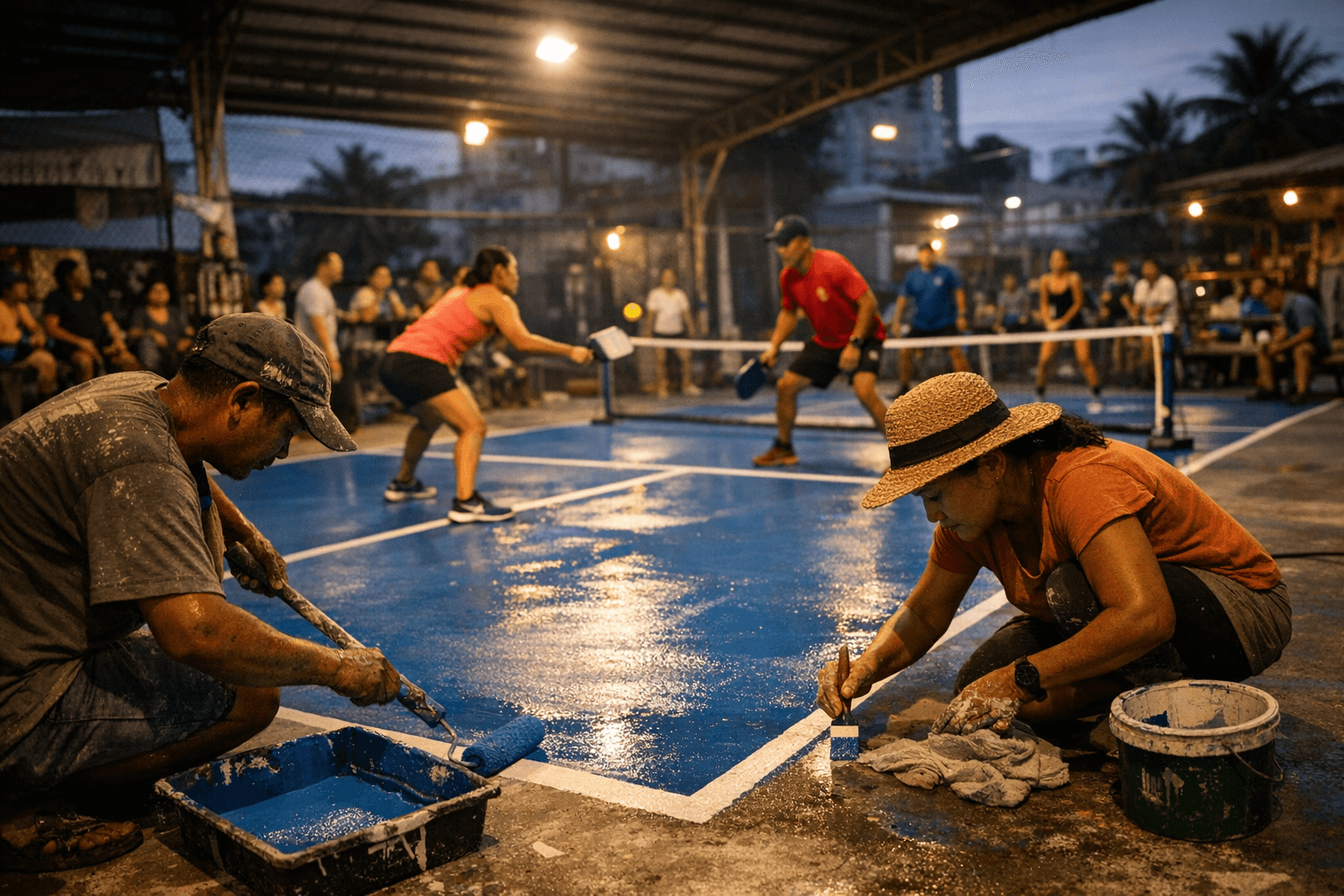
Pickleball's Philippine surge looks like real estate before it looks like sport. Clubs and covered courts are repainting floors to make room for the game, while the national federation now lists 408 clubs and 1,019 courts, a footprint that says this is no longer just a passing weekend curiosity.
The rise also follows a familiar arc. Pickleball began in 1965, stayed relatively flat in popularity for years, then jumped during the pandemic, when people wanted low-barrier ways to learn something new and play close to home. In the Philippines, that timing helped the sport move from novelty to neighborhood habit.
Why the court doubles as a social club
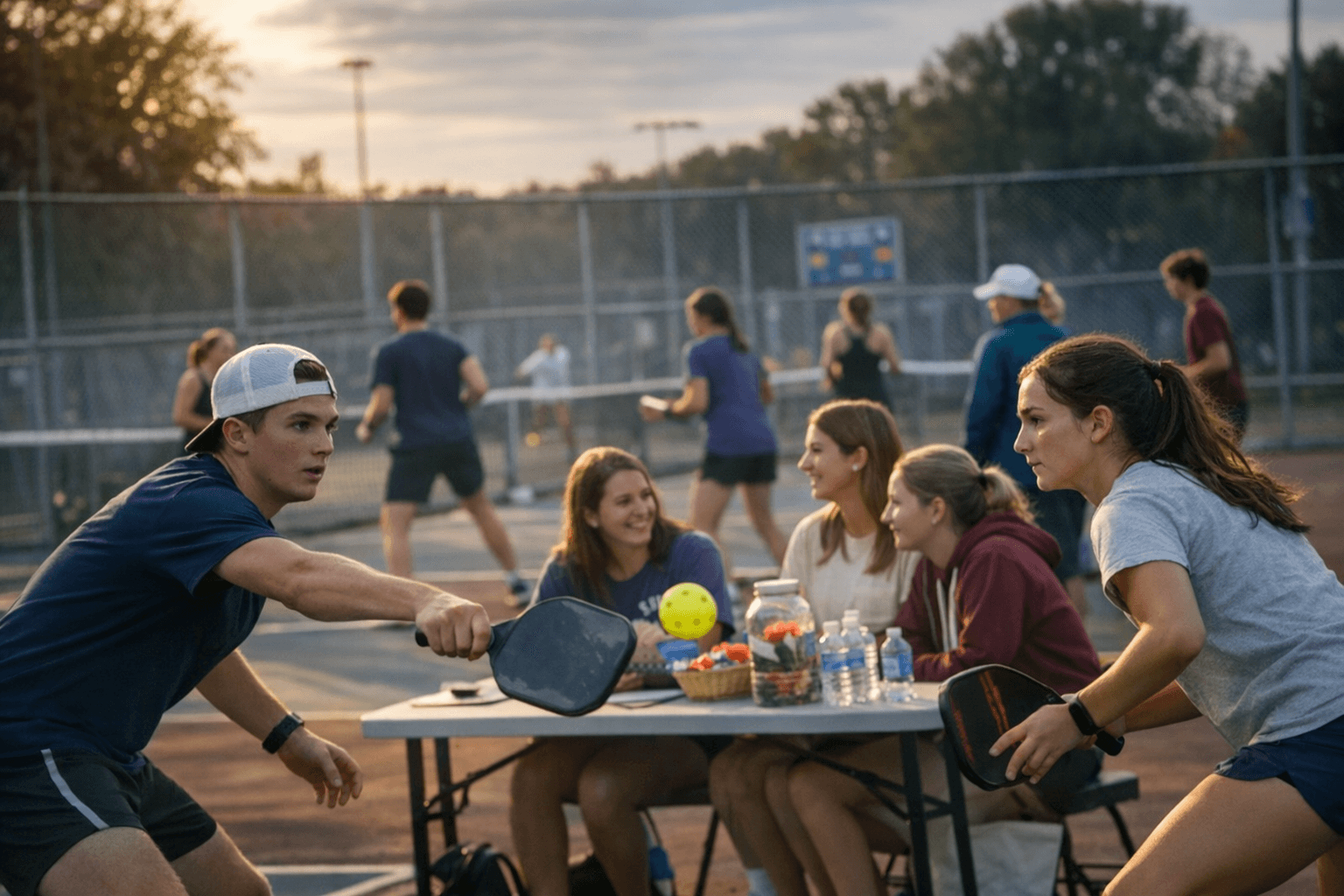
The real hook is not the scoreline, it is the company. Pickleball has become a "third place" for Filipinos, the kind of setting where a friend group, a tita, a pamangkin, and even lola can all fit into the same weekend ritual, and where celebrities such as Heart Evangelista, Catriona Gray, Mimiyuuuh, and Donny Pangilinan have made the court feel culturally current instead of niche.
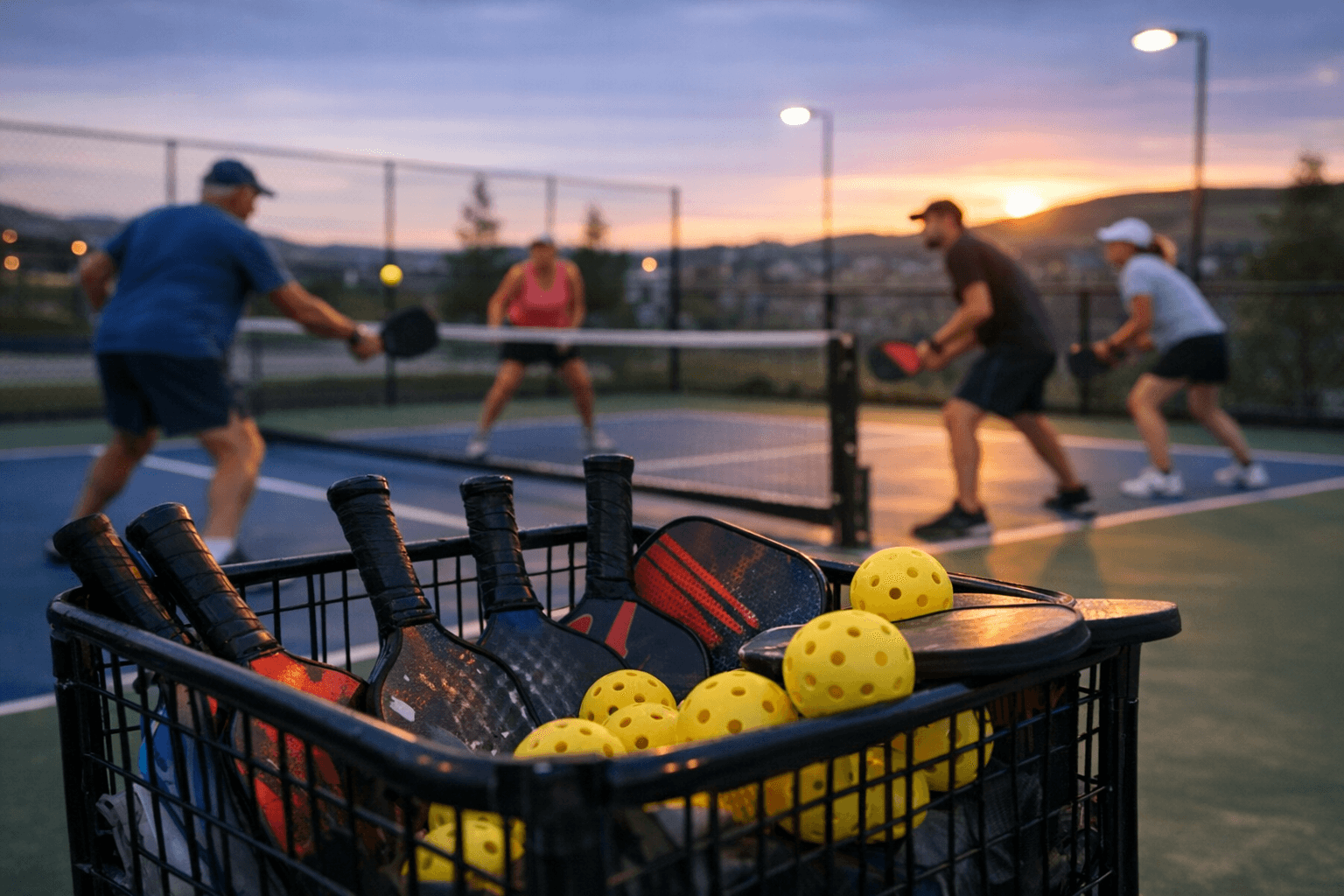
That social pull is easy to see in the way the sport is being played. Open-play sessions, beginner drills, and casual drop-ins are part of the scene, and the culture welcomes first-timers as warmly as regulars. Mimiyuuuh's stop at The Pickle Yard in Parañaque captured that vibe perfectly, showing how a good venue can feel less like a facility and more like a hangout with paddles.
What the Philippines is building, court by court
The most telling venues are the ones that turned existing spaces into something more social. SM Malls and Ayala Malls have become pickleball hubs with indoor and outdoor courts, while country clubs and sports centers are adapting what they already have: Riviera Sports and Country Club in Silang offers three indoor hard courts with permanent lines, portable nets, restrooms, and water stations; Zone Sports Center in Makati has six wooden courts, locker rooms, an equipment shop, and walk-in play; Neopolitan Brittany in Quezon City runs five indoor acrylic courts with a cushion base layer, parking, and reservations; and Bulacan Sports Complex has added pickleball to a broader sports mix.
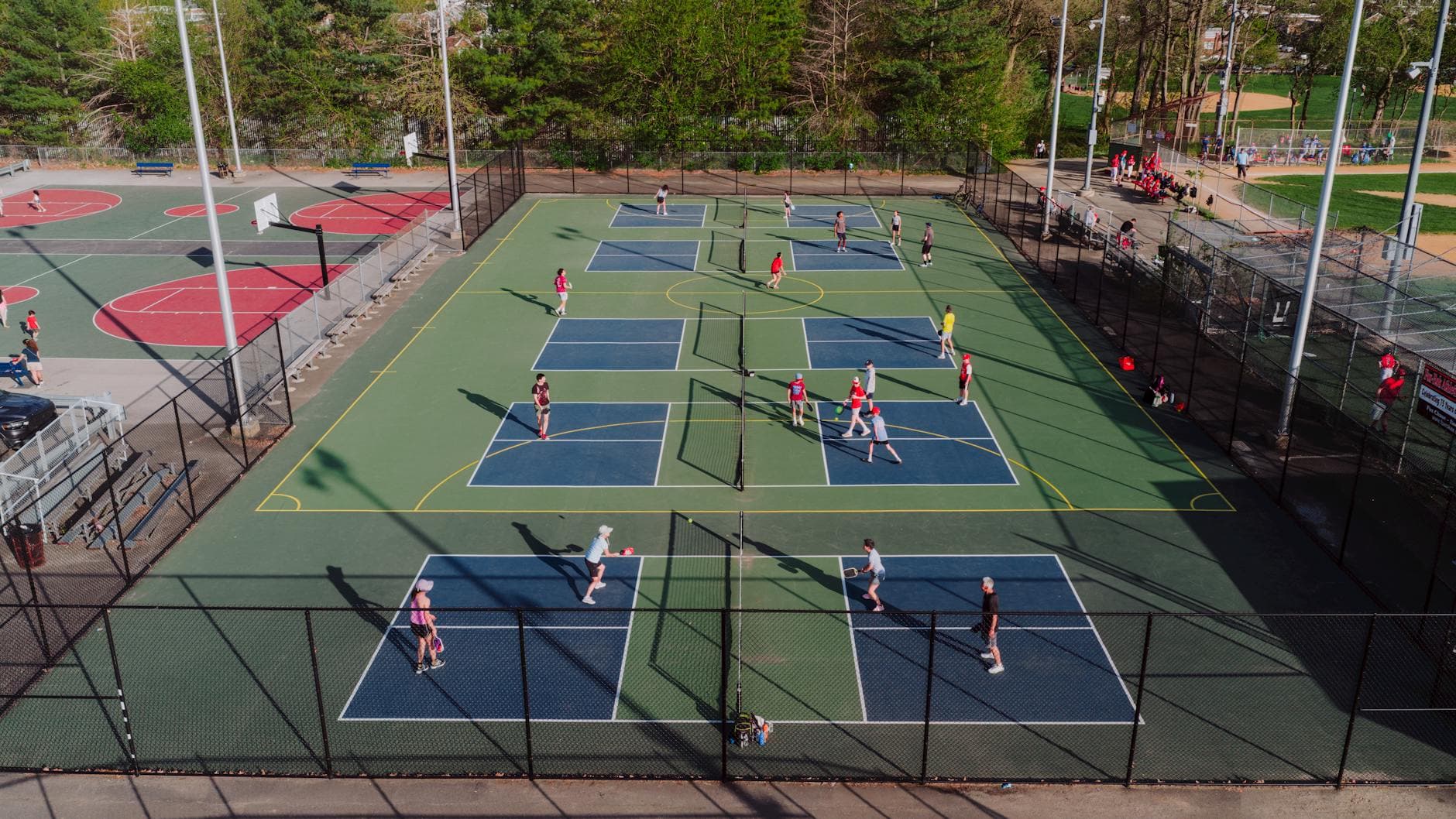
The Pickle Yard in Parañaque pushes the model even further. Its three dedicated indoor acrylic courts meet USAPA standards, but the bigger story is everything wrapped around them: a sports bar, restaurant, professional training, locker rooms, youth programs, and a pro shop, which turns a simple game session into an all-night social stop.
What the numbers say about the next chapter
The Philippine Pickleball Federation is now more than a name on a banner. It is recognized by the Philippine Sports Commission and the Philippine Olympic Committee, counts 408 clubs and 1,019 courts on its site, and runs a player registry that connects clubs, tournaments, and communities nationwide. Its PPPR system links players to rankings and sanctioned events, and the federation even staged the 1st Philippine Pickleball Amateur Nationals 2026 at Tela Park Pickleball Center in Las Piñas.
This is where the market question gets interesting: once a sport reaches this level of infrastructure, the story shifts from who has heard of it to which venues can keep filling up. The official club-and-court counts, the ranking system, and the push toward sanctioned amateur competition all suggest that Philippine pickleball has entered its consolidation phase, where durable communities matter as much as viral momentum. This is less about a fad than about whether repainted floors can stay busy after the first wave of hype.
How to read the scene like a local
If you are trying to map the game quickly, start with the public-facing hubs and work outward. Malls are the easiest entry point, because they mix convenience with casual traffic; club venues like Zone Sports Center and The Pickle Yard are better when you want structured play, equipment on hand, and a clearer path from first dink to league night; and the federation's registry and club map are what tie the whole ecosystem together.
The larger lesson is simple: pickleball thrives where a dead corner or underused court can become a place people actually want to return to. In the Philippines, that has turned repainting into a kind of community-building, and every busy court now points to the same next step for the sport, a local economy that depends on keeping both the games and the gathering going.
Know something we missed? Have a correction or additional information?
Submit a Tip