Querétaro Opens First Public Pickleball Courts at UAQ Airport Campus
Querétaro's first free public pickleball courts just opened at UAQ Airport Campus, backed by a 30.2M-peso complex, with no private club membership required.

Pickleball participation has grown 40 percent globally over the past three years, and behind that statistic is something more concrete: city after city reaching the moment it installs its first public court. Querétaro, a city of nearly one million in central Mexico, reached that moment this week.
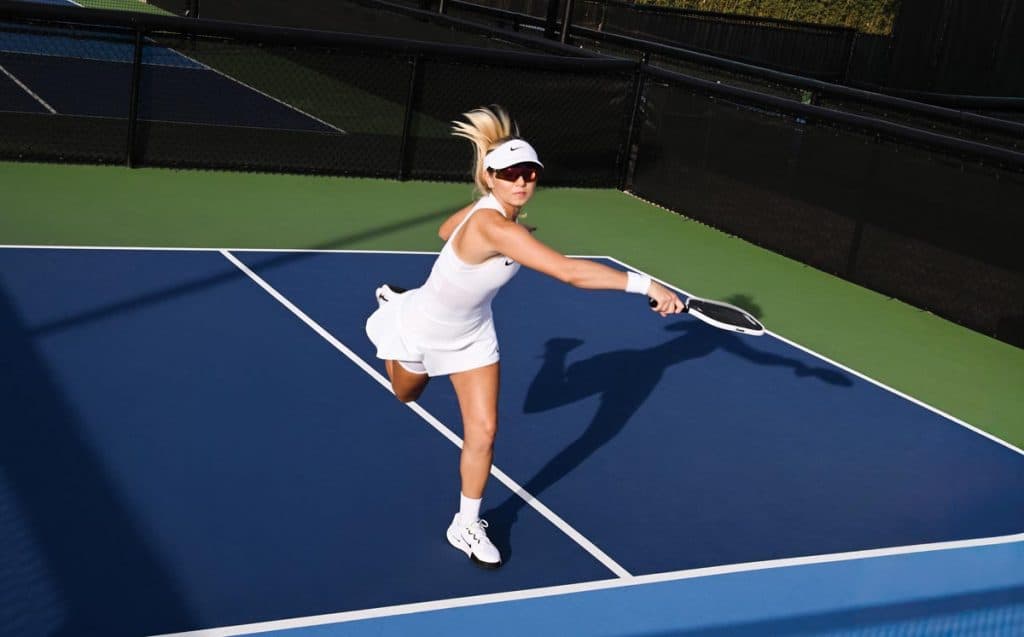
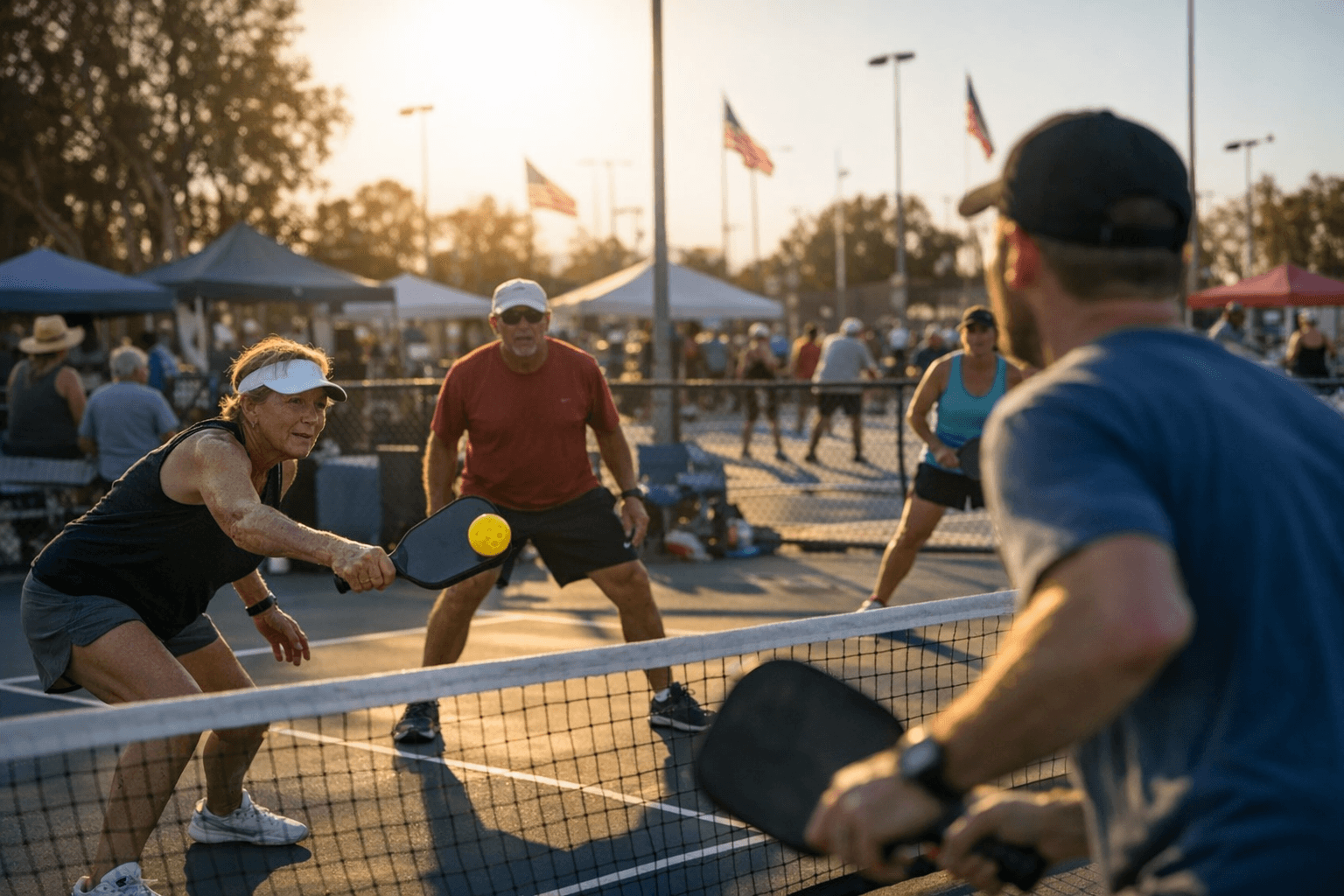
On April 2, Mayor Felipe Fernando Macías Olvera led the formal inauguration of the Unidad Deportiva at the UAQ Campus Aeropuerto, a 30.2-million-peso complex that dropped seven new sports facilities onto the university's grounds at once. The centerpiece for the pickleball world: two new courts, free to enter, open to students and the general public alike. No club membership, no court fee. Alongside the pickleball courts, the complex added two padel courts, two flag football fields, the first public flag football fields in the city, and a seven-a-side football pitch.
The official driving the city's court expansion is Juan Manuel Báez Bolaños, Querétaro's Secretary of Sport, who has framed the project as a deliberate effort to democratize disciplines that have historically lived behind private club walls in the capital. With the UAQ addition, Querétaro now counts five public pickleball courts distributed across four sports complexes: Reforma Lomas, Cerrito Colorado, Belén, UAQ Campus Aeropuerto, and El Truchuelo. Governor Mauricio Kuri González, who attended the ceremony alongside UAQ Rector Silvia Amaya Llano, called the municipal investment unprecedented for the state. The municipality projects the campus complex alone will serve approximately 5,000 people.
A new court is not yet a scene. What Querétaro's nascent pickleball community needs to build right now, while the nets are fresh and the concrete still unmarked, is the organizational tissue that turns two courts into a growing player base. That starts with locking down open-play hours before informal scheduling conflicts take root. One organizer stepping up to seed a WhatsApp group gives beginners a place to find games and experienced players a way to coordinate. A starter ladder, even an informal one tracked in a shared spreadsheet, gives returners a reason to keep showing up. Etiquette signage at the court, something as simple as a laminated paddle-rack rotation guide, signals to first-timers that a real community is forming here, not just an empty slab.
The UAQ setting gives Querétaro's embryonic scene a structural advantage that purely municipal courts often lack: a captive population of students and faculty cycling through on predictable schedules. In other cities where pickleball has taken hold on campuses, that student pipeline has become the engine of local competitive growth for years after the first court opens.
Juan Manuel Báez Bolaños at the Secretaría del Deporte del Municipio de Querétaro is the named official overseeing the new infrastructure and the logical first contact for anyone looking to coordinate clinics, leagues, or beginner programming on the new courts.
Two free courts, a university campus, and zero existing competitive infrastructure: whoever organizes Querétaro's first open-play session gets to write the founding chapter of a pickleball scene from scratch.
Know something we missed? Have a correction or additional information?
Submit a Tip