Sequim Picklers seek renewed city partnership as courts wear down
Sequim Picklers are pushing to restore a city partnership as eight worn courts and 550 members expose a bigger question: who pays to keep local pickleball alive?

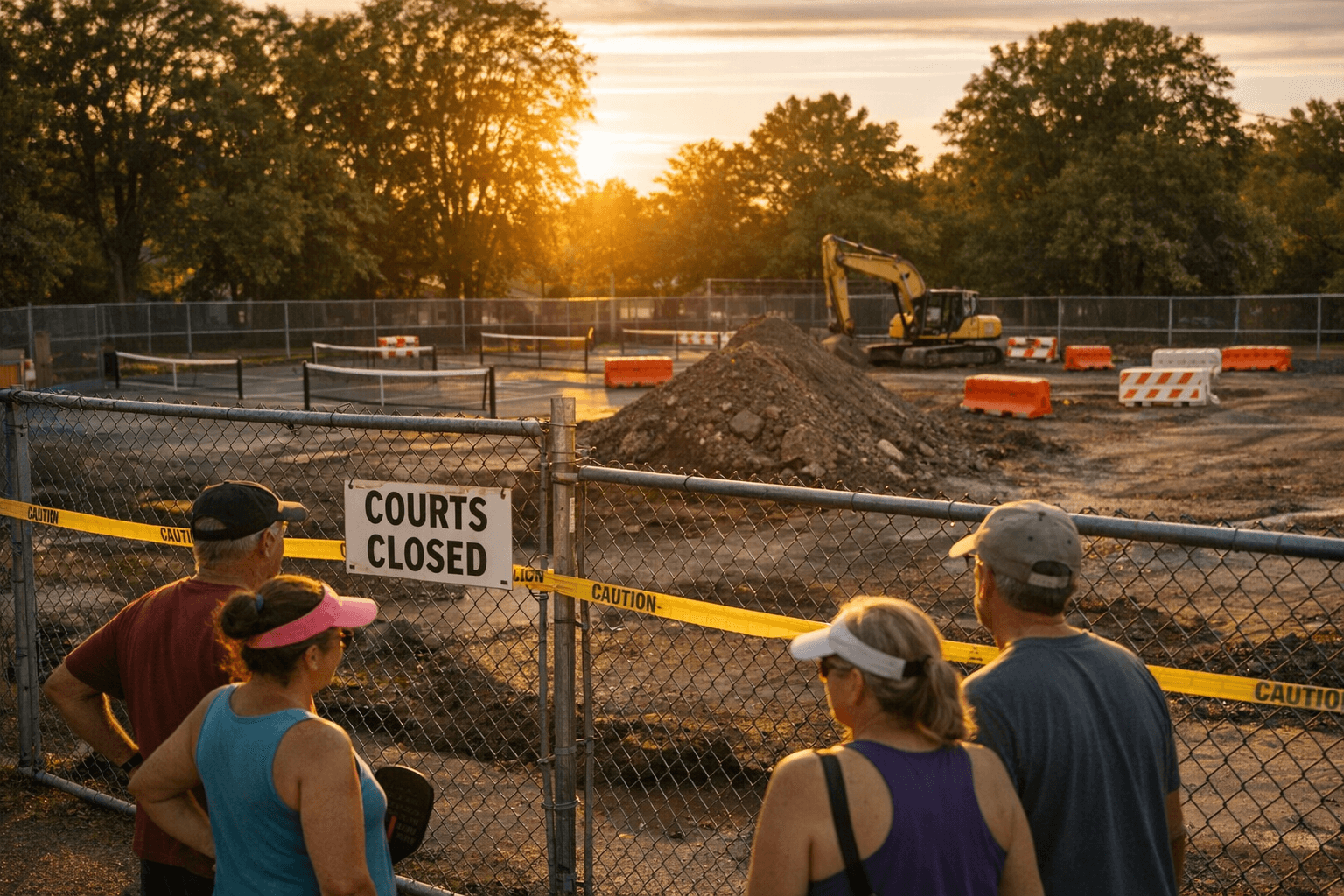
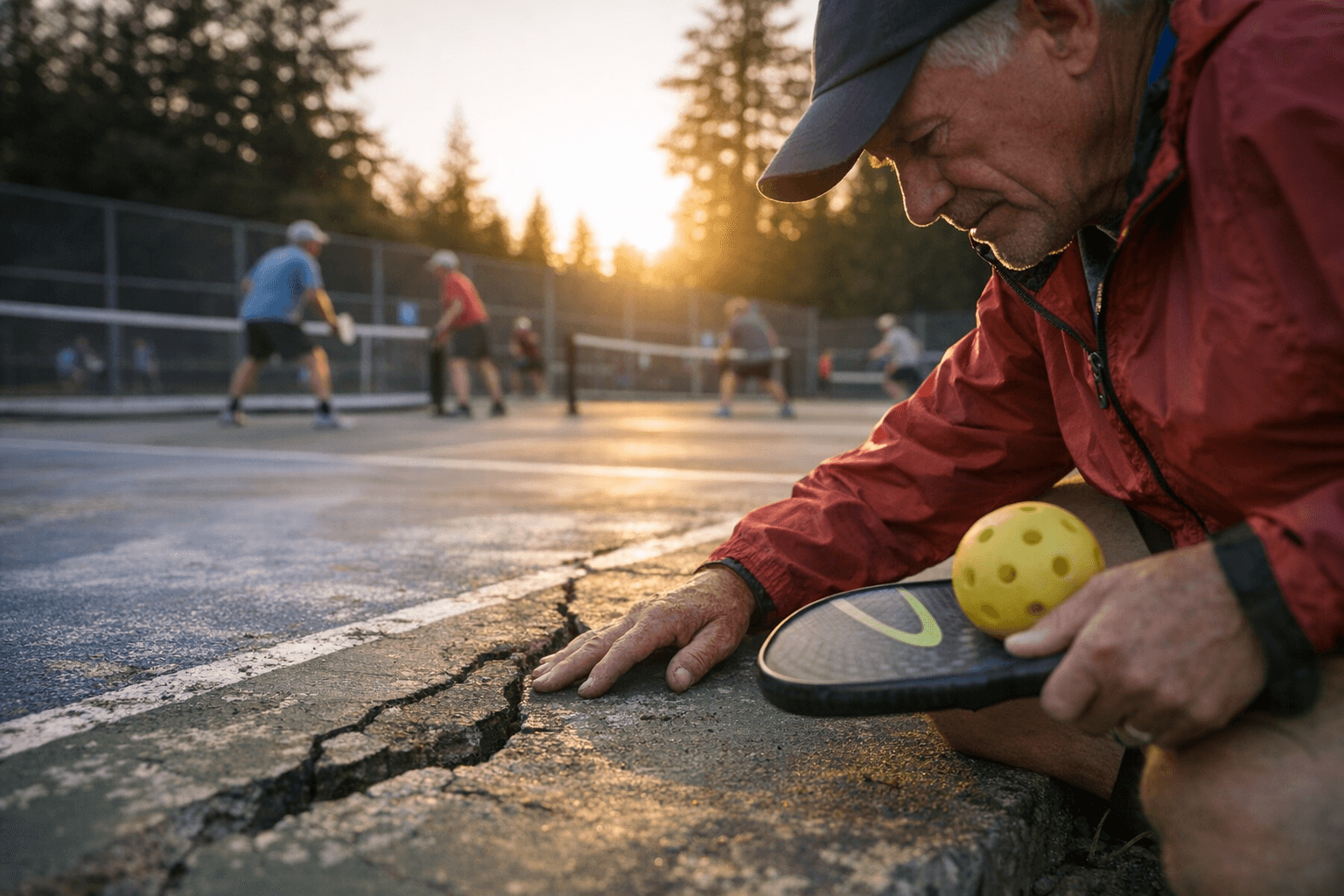
The Sequim Picklers are trying to reset their relationship with City Hall just as the eight courts at Carrie Blake Community Park show their age. Tim Williams, president of the 550-member club, wants a renewed partnership that would move the facility beyond patchwork repairs and toward a real refurbishment.
That urgency comes from what players can already see on court. Williams said the Picklers have patched nets themselves with zip ties and vinyl patches, a telltale sign that volunteers have been filling gaps left by an agreement that no longer fully matches the facility’s needs. The issue is no longer just about keeping games going; it is about whether Sequim can build a durable model for maintenance, funding and scheduling before the wear becomes harder and more expensive to fix.
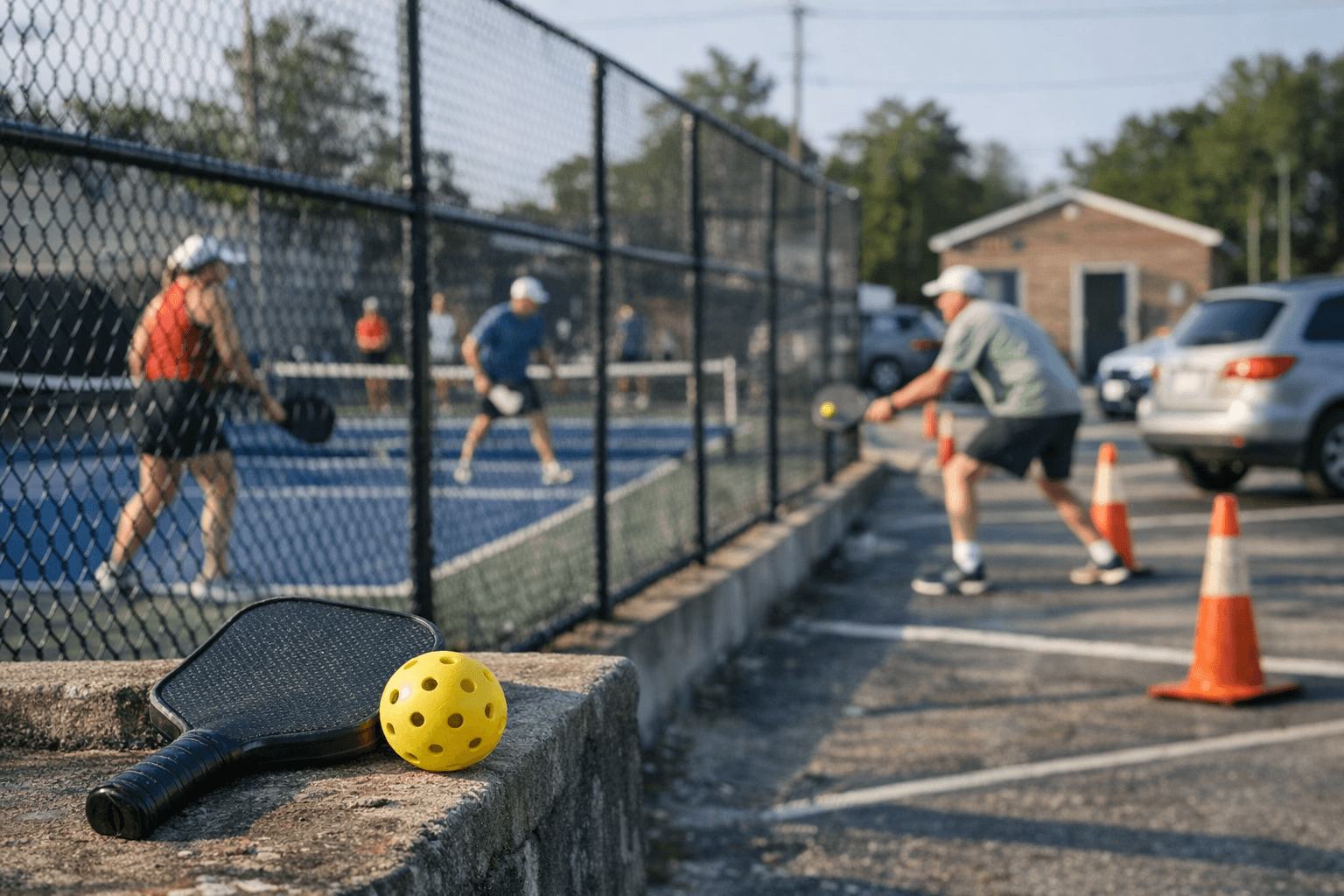
Carrie Blake Community Park has become a regional draw, not just a neighborhood amenity. The eight-court complex has pulled in 200-plus players from Oregon, British Columbia and other parts of Washington for tournaments, giving the site value well beyond daily open play. The park itself covers 52 acres, split between a 22.42-acre park parcel and a 28.85-acre Water Reuse Demonstration parcel, making it one of Sequim’s major recreation properties.
The current setup grew out of a long push for permanent courts. A 2016 Carrie Blake Park Master Plan said there were no pickleball courts at the site at that time, and earlier club activity had players rotating between retrofitted basketball courts and indoor space at the Boys and Girls Club. In November 2017, the city issued a bid call for eight regulation-sized courts in the southern portion of Carrie Blake Park, east of the skate park, and the city council later authorized a contribution agreement with the Sequim Picklers on Nov. 14, 2017, with the deal executed Dec. 14, 2017. The club contributed $217,700 to help build the courts.
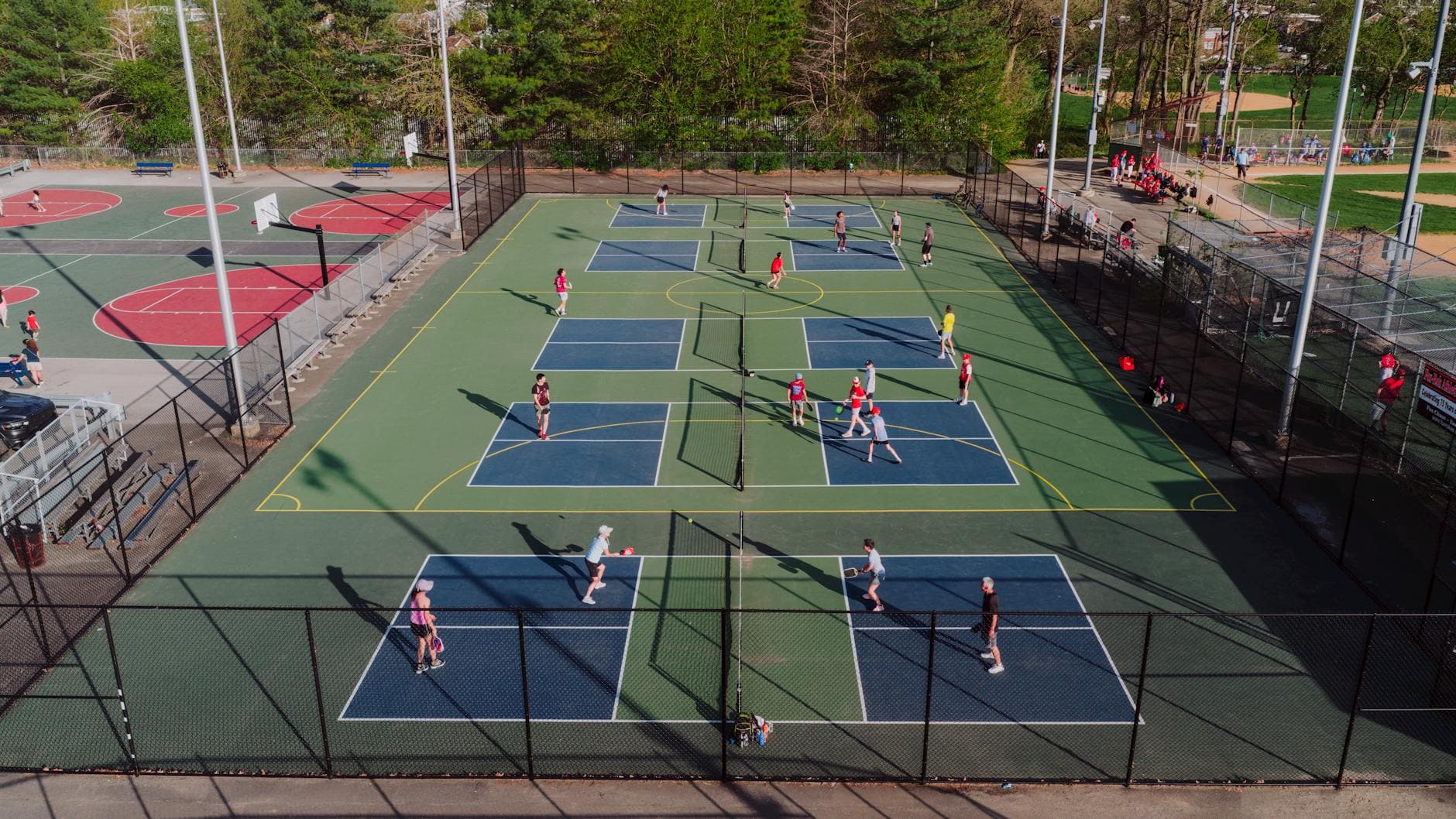
That history matters because the courts were never just a city project or just a club project. They were a negotiated partnership, and now that partnership is being tested by time, traffic and volunteer fatigue. City materials say Sequim manages partnerships with nonprofit organizations and shares some maintenance with them, which puts the current talks in a broader context: the city and the Picklers are not only deciding how to fix eight courts at 202 North Blake Avenue, but whether their arrangement can serve as a sustainable template for future court investment across a growing pickleball community.
Know something we missed? Have a correction or additional information?
Submit a Tip