Oosterhout Twins mikken op titel, bouwen aan routine en Europese dromen
Twins talk title, but the real test is routine, depth and response under pressure. A third-place breakthrough, a tough Neptunus loss and Europe now define the bar.
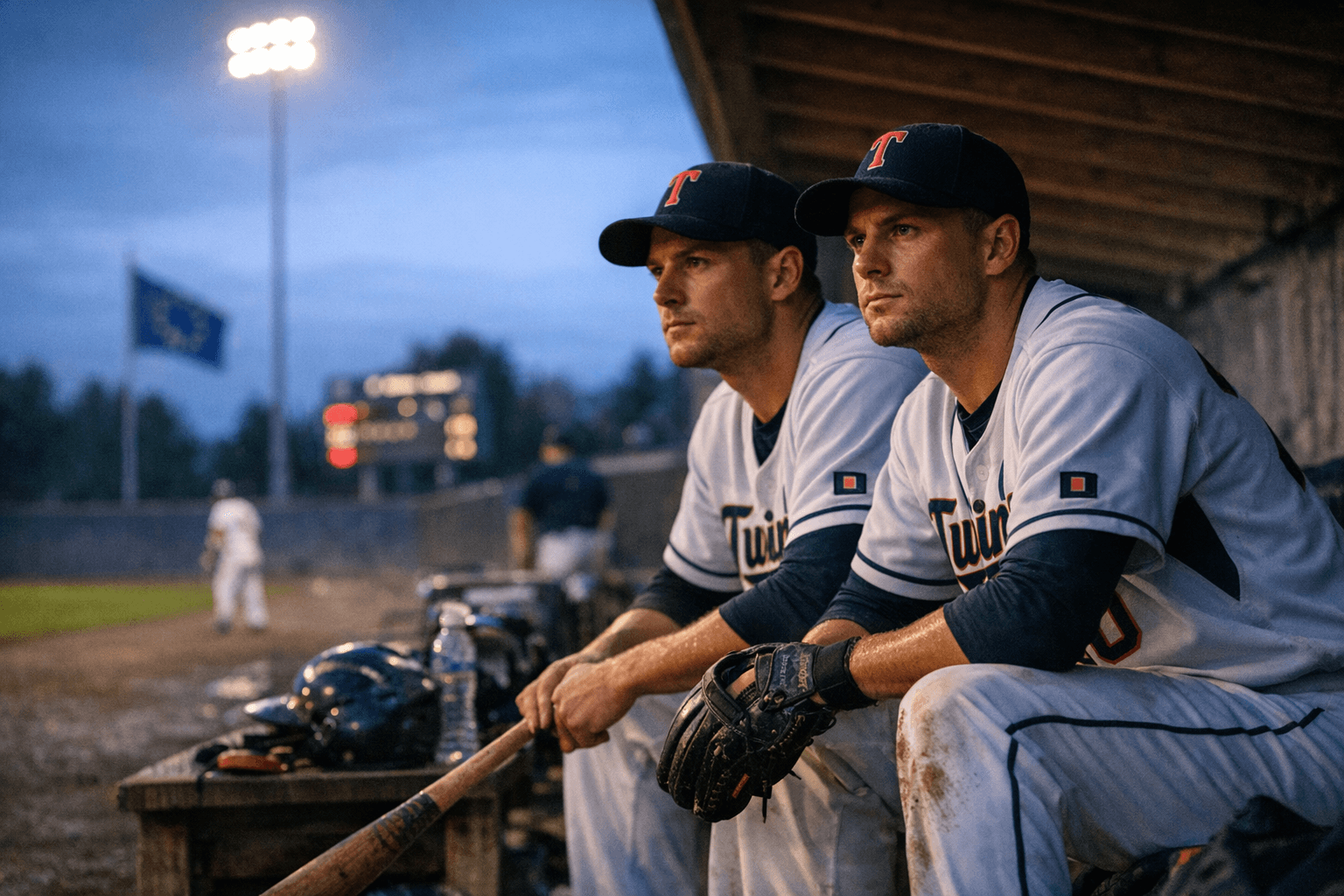
Title talk needs proof
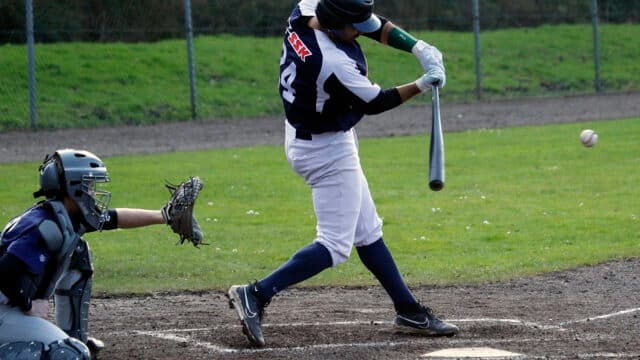
Oosterhout Twins have moved past the stage of surprise and into the stage of expectation. After last year’s historic third place in the Lucky Day Hoofdklasse Honkbal, the club is no longer speaking only about a strong season, but about a real title push, and that changes every game, every training session and every roster decision.
That ambition comes with a hard truth that the club has put front and center: championship baseball is not won on talent alone. The difference now is whether Twins can turn a breakthrough season into repeatable results, especially against the league’s strongest opponents. In Dutch baseball terms, that means surviving the weeks when nothing feels smooth, staying sharp through the grind, and proving that last year was not a peak but a platform.
Why last year matters, but does not solve anything
The 2025 standings give the starting point for this story. Oosterhout Twins finished third in the regular competition, behind Curaçao Neptunus in first and HCAW in second. That alone confirmed that Twins belonged in the top tier of the Hoofdklasse picture, but it also set the next question in motion: what does it take to move from a strong challenger to a genuine contender?
The answer is not flashy. It is routine, depth and consistency. The club’s own framing makes that clear, because the leap from third place to a title challenge depends on repeating quality week after week, not just producing isolated big wins. When a team has already proved it can sit near the top, the standard shifts from “can they compete?” to “can they keep competing when the season gets messy?”
Routine is the real currency
One of the clearest ideas running through the Twins story is that honkbal is a game of repetition. A club that wants the same standard every week has to keep training the same basics, avoid drifting out of rhythm and handle setbacks without letting one bad series become a bad stretch.
That is why the title talk feels more like a watchlist than a slogan. Readers can track the progress of this team by looking for the small but decisive signs of maturity: clean defensive innings after an error, patient at-bats after an early hole, bullpen stability on busy weeks and the ability to keep winning when the opposition is familiar and prepared. In a long Dutch season, those are the markers that separate a contender from a team that simply had a hot year.
A family lesson built into the lineup
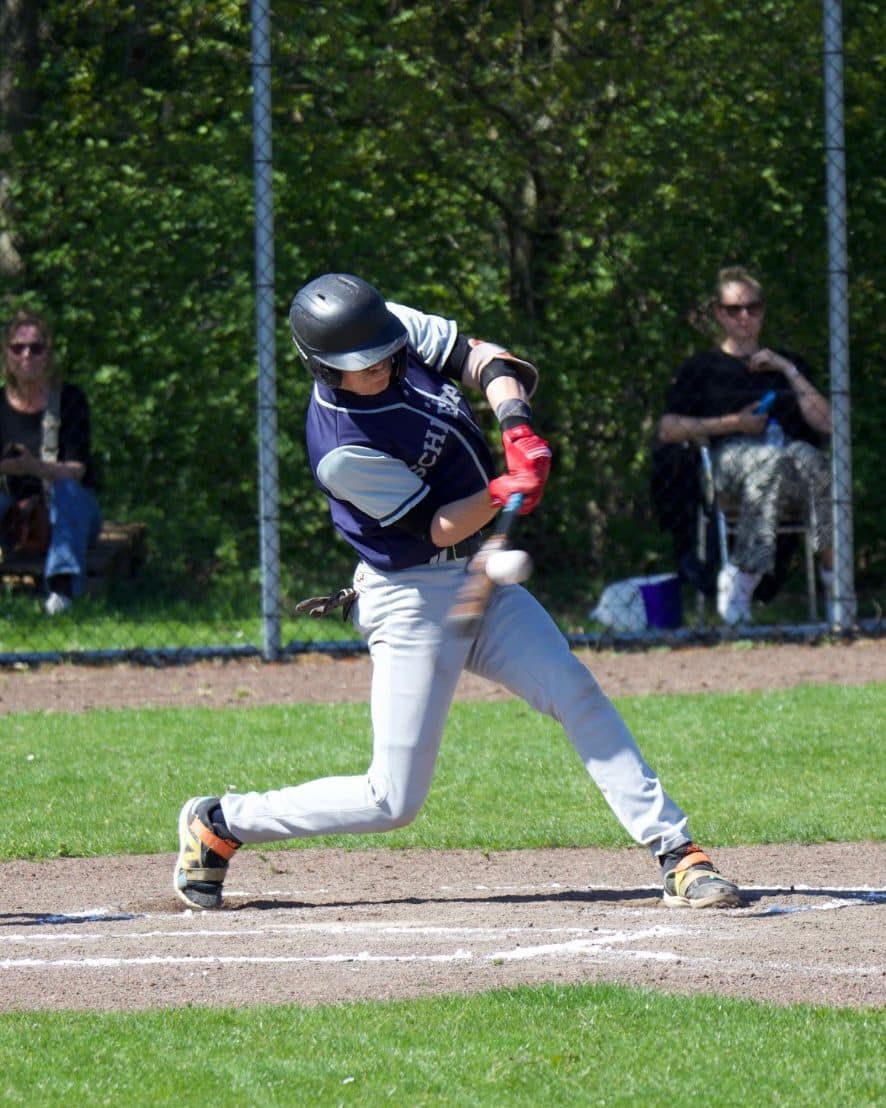
This Twins storyline is also grounded in something more personal than standings. The club’s young player at the center of the piece gets constant feedback at home from his father, Jeroen Sluijter, a former player who has helped him from a young age with hitting, fielding, throwing and catching. That detail gives the season a human layer, but it also points to how baseball knowledge is passed down in the Netherlands: through family habits, repetition and correction that begins long before a player reaches the Hoofdklasse.
That father-son line is more than a nice anecdote. It shows how Dutch clubs build continuity in a relatively small baseball market, where experience matters and the sport’s basics are often learned in the same way generation after generation. For Twins, that kind of cultural transmission matters because a title chase is not only about imported talent or one strong roster year. It is also about whether the club’s baseball identity can be absorbed, repeated and carried forward under pressure.
A club with size, history and higher expectations
Twins’ ambitions carry weight because the club already has depth in its own history. Based in Oosterhout, Noord-Brabant, the association was founded in 1969 and plays home games at Sportpark de Slotbossetoren. It is also described by the club itself as one of the largest associations within the KNBSB, which helps explain why the push for the top is being treated as a serious next step rather than a surprise stretch run.
That background matters in a season like this. A bigger club is expected to sustain quality across the roster, develop players, and stay competitive through the long Hoofdklasse calendar. When the ambition is a title, the size of the organization becomes part of the proof. The demand is not just for one standout performance, but for enough depth to keep the standard high through injuries, busy weeks and the inevitable dips that test every contender.
The European layer changes everything
Twins’ season is even heavier because the club will also play in the inaugural Baseball Champions League Europe. The new competition brings together eight clubs from five countries, with a group stage scheduled from 22 to 24 May 2026 and a Final Four set for September 2026. That alone raises the stakes, because the Dutch champion or top Dutch side will not just be measured at home, but against the best from across the continent.
For Oosterhout Twins, the group stage takes place in Regensburg. The club opens there on 22 May 2026 against Guggenberger Legionäre in the Armin-Wolf-Baseball-Arena, a trip that gives the season a different rhythm and a different level of pressure. Only two Dutch clubs made it into the first edition of the tournament, Curaçao Neptunus and Oosterhout Twins, which tells you how high the bar already is.
What the roster says about the plan
The 2026 roster also gives clues about how Twins want to make this work. The squad includes Ayumu Ishikawa, Terrence Garcia, Rob Paller, Yves Poesmans, Axel Poesmans, Jerzy van Gool, Onne van Gool, Faas Sluijter, Nando Mostaert and Lucas den Duijn. That mix points to a club trying to balance experience, lineup flexibility and the kind of internal competition that keeps a season from flattening out.
For a team with title ambitions, this is the practical side of the argument. Depth is not a luxury once the schedule includes Hoofdklasse pressure and a European campaign on top. It is the difference between staying in the race and watching the race speed away. Twins’ task is to make sure that the roster can absorb the extra load without losing the consistency that made last year’s third place historic in the first place.
The real test starts now
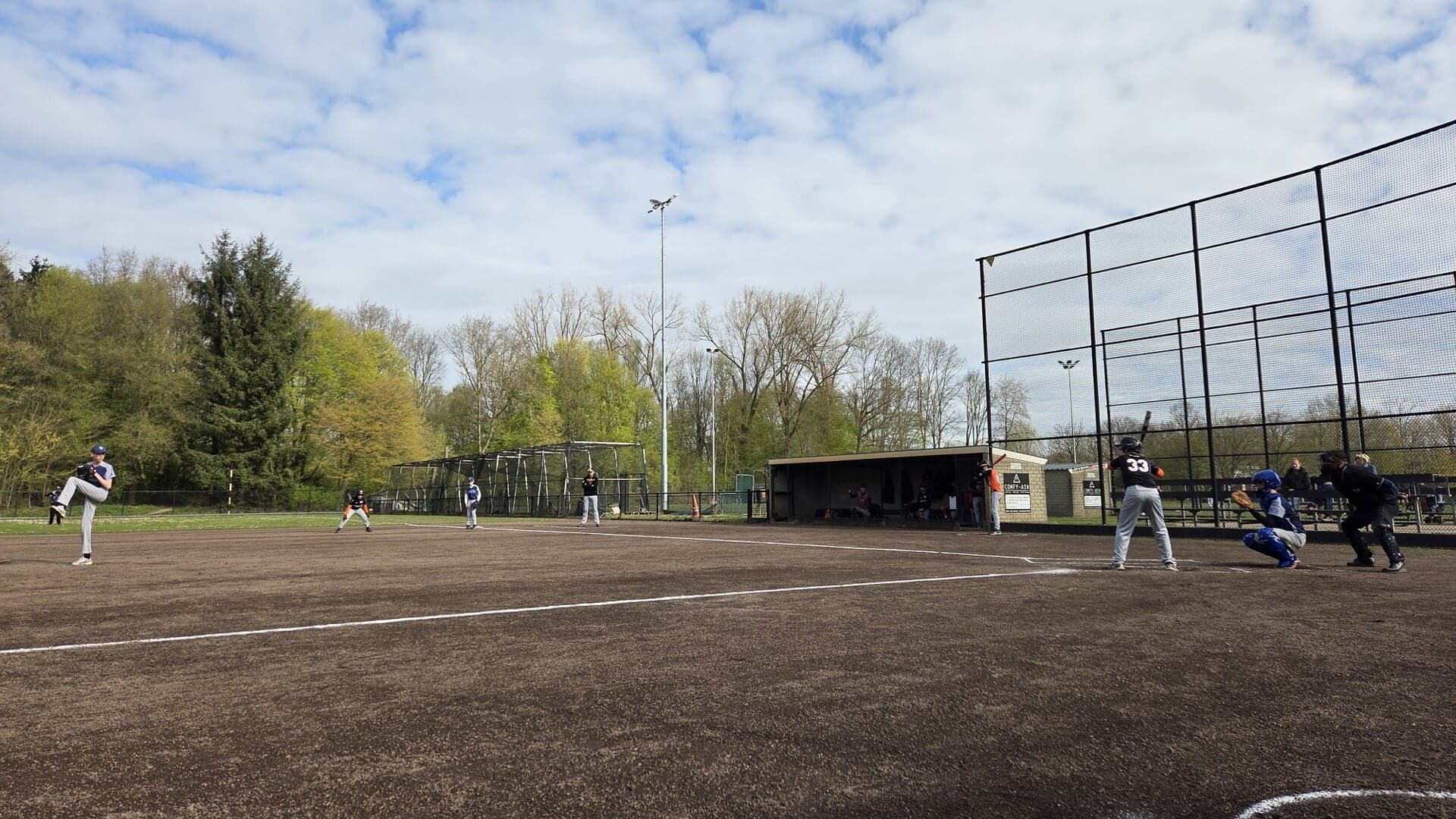
The clearest early warning came quickly. On 9 April 2026, Twins opened at home against Curaçao Neptunus and lost 2-9, then faced the same opponent again in a pair of away games on 11 April. That opening stretch said a lot about the challenge ahead: the top of the Dutch game is not waiting, and the first hard lessons arrive immediately.
That is why this season should be read through a simple lens. If Twins are going to turn title ambition into something real, they will have to show it against Neptunus, hold their level through the Hoofdklasse grind and carry enough discipline into Europe to handle a far thicker schedule. The club has already proved it can break through. Now it has to prove it can stay there.
Know something we missed? Have a correction or additional information?
Submit a Tip