5 Essential-Oil Bath Bombs for Aromatherapy and Skin-Softening Soaks
The smartest essential-oil bath bombs match a mood, not just a scent. The best ones balance aroma, fizz, and skin-softening butters for sleep, stress, or gifting.
Best for a bedtime soak
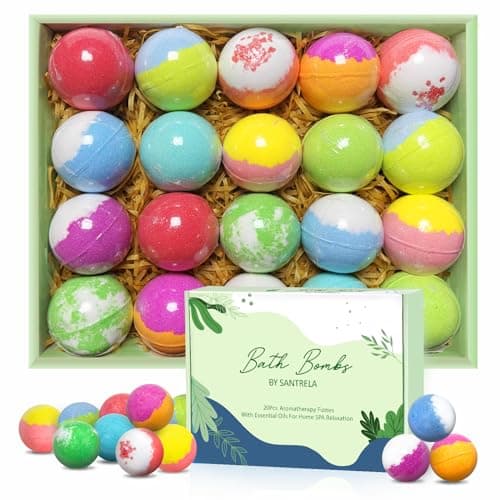
The bath bombs worth buying first are the ones that do something specific, and bedtime is where essential-oil blends make the clearest case. Lavender-forward bombs usually fit this lane best because the scent reads calm instead of loud, while sodium bicarbonate and citric acid deliver the fizz and butters like cocoa butter or shea butter help the water feel cushioned, not stripped. That combination is exactly why bath bombs have moved from novelty to home-spa staple, a shift that started when Mo Constantine invented the first one in a garden shed in 1989, originally calling it an “Aqua Sizzler.”
For a sleep-support soak, scent strength matters as much as scent choice. A bomb that smells luxurious in the tub but fades into a softer finish after the drain clears usually feels more relaxing than one that hits hard and disappears quickly. NCCIH’s guidance on aromatherapy helps explain why: essential oils are commonly used by inhalation or in diluted form on the skin, so the best bedtime pick is the one that keeps the fragrance present without turning the bathroom into a perfume counter.
Best for stress relief after a long day
The smartest stress-relief bath bombs are built for decompression, not drama. You want a clean dissolve, a steady fragrance profile, and enough softness in the water to make the soak feel like a reset rather than a rinse with extra color. That is where ingredient quality starts to matter, because a bath bomb that balances fizz, fragrance, and hydration gives you a more complete experience than one that relies on sheer intensity.
This is also where the category’s safety rules deserve attention. The U.S. Food and Drug Administration treats fragrance products applied to the body to make someone more attractive as cosmetics under U.S. law, and companies marketing cosmetics have a legal responsibility to ensure safety. The agency also says cosmetics generally do not need premarket approval before sale, except for color additives, so the formula in the box can vary widely. In other words, a stress-relief label is a mood cue, not a guarantee that the product will treat anything.
Best for an uplifted mood
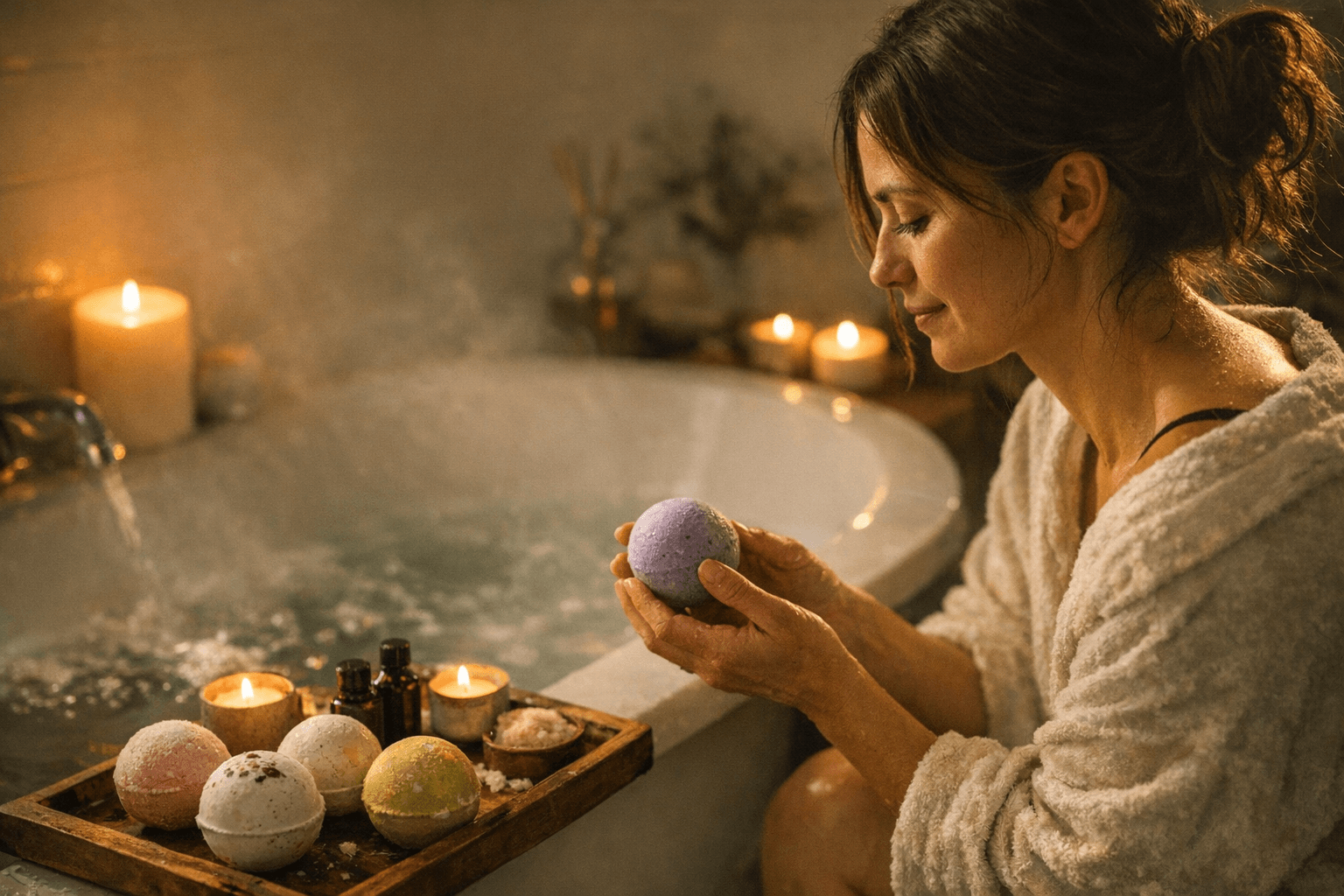
Citrus-forward bath bombs usually win this slot because they feel bright the second they hit the water. The best ones lean into that cheerful first impression with vivid color, a lively fizz, and a fragrance profile that feels fresh rather than sugary. That sensory punch matters, because fragrance-led bath bombs remain popular precisely when they combine aroma, visual payoff, and a skin feel that still reads pampering.
The broader market story backs that up. One industry estimate puts the global bath bomb market at $1.38 billion in 2024 and projects growth to $2.49 billion by 2034 at a 6.2 percent CAGR, while another estimate places it at $1.5687 billion in 2024 and $3.144 billion by 2034. A separate report focused on essential-oil bath bombs estimates the segment at $1.2 billion in 2024 and $3.1 billion by 2033. Those numbers point to the same shopper behavior: people are buying bath bombs for a quick mood lift, not just a cute tub moment.
Best for sensitive skin and skin-softening
This is the section where the ingredient list should become your deciding factor. Many retail formulas use sodium bicarbonate and citric acid for the fizzy action, then add cocoa butter, shea butter, Epsom salt, and essential-oil or fragrance blends to improve the feel of the soak. When that balance is right, the bath bomb smells polished and leaves skin feeling softer afterward instead of tight or over-fragranced.
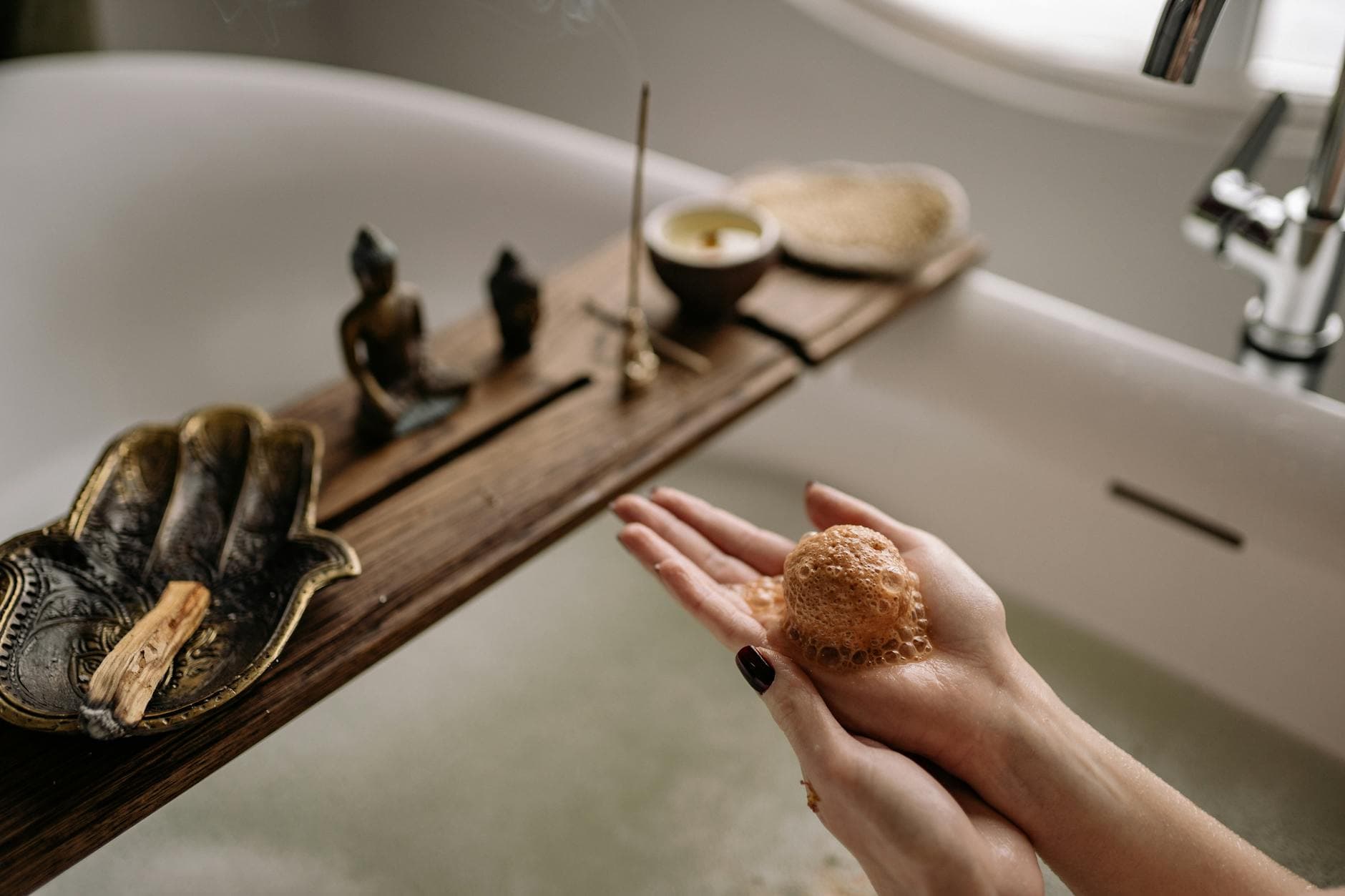
It is also the area where caution pays off. NCCIH says aromatherapy uses essential oils from plants and that topical use can cause redness or irritation in some people, especially when the oil is old or has been exposed to heat, light, or air. The practical takeaway is simple: fresher formulas, gentler scent strength, and butter-rich blends are easier on the skin, especially if you already know you react to strong fragrance. The Epsom Salt Council also notes that bath bombs are a popular way to add essential oils, scents, and colors to bathwater, which helps explain why Epsom-salt-based versions often feel like the most balanced buy.
Best for gifting and true spa-like fragrance
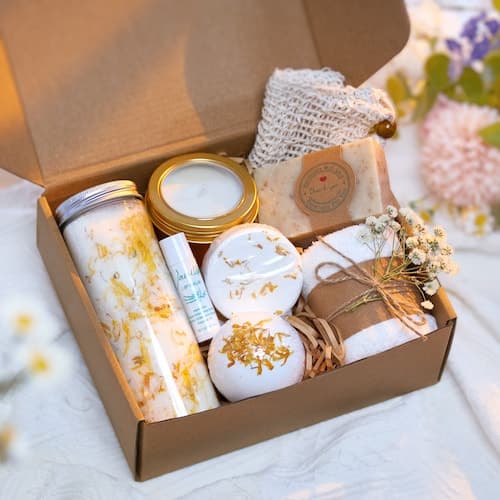
When you are buying for a birthday, a stress-relief basket, or a spa-themed present, the best bath bomb is the one that feels intentional from the first look to the last rinse. Premium ingredient lists, layered fragrance, and a clean, attractive finish matter more here because the product has to do double duty as both a soak and a small gift. That is why bath bombs built around essential oils and skin-softening butters keep outperforming generic fizzy spheres.
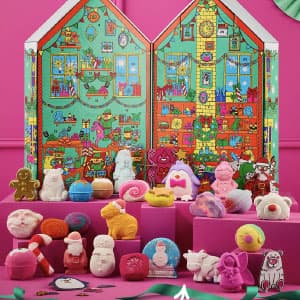
The category’s origin story gives that gift appeal real weight. Lush says Mo Constantine invented the first bath bomb in 1989 in her garden shed, the company was first awarded the bath-bomb trademark on April 27, 1990, and it has since created more than 500 bath-bomb designs and sold over 350 million bath bombs globally. That kind of growth explains why the category keeps rewarding products that feel thoughtful instead of flashy. The best spa-style bomb smells luxurious, throws fragrance evenly, and leaves the tub feeling like part of the ritual rather than just the cleanup.
This article was produced by Prism’s automated news system from verified source data, official records, and press releases, then run through automated quality and moderation checks before publishing. The system is built and supervised by the people who set the standards it runs under. Read our full AI policy.
Did this article answer your question?