Bath bomb labels boost trust, compliance, and shelf appeal
A bath bomb can look retail-ready and still fail on the one thing shoppers and marketplaces check first: the label. Get the required fields right, then use design to build trust.
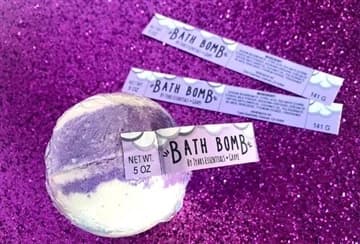
The bath bomb is unmolded, the scent is right, and the urge is to finish with a cute sticker and head straight for sales. That last step is where a handmade favorite can either look retail-ready or stumble into a compliance problem. In bath bombs, the label is not decoration after the fact; it is the part that tells shoppers what the product is, helps it earn shelf space, and keeps the seller inside the rules.
The compliance floor
The FDA’s cosmetics labeling guidance draws a clear line for bath bombs sold as cosmetics. If the product is intended to cleanse, beautify, or alter appearance, it falls under cosmetics labeling rules, and the label generally needs four basics: an identity statement, net quantity of contents, ingredient declaration, and the name and place of business. The agency requires labeling to be truthful and not misleading, and products that miss the labeling requirements can be treated as misbranded.
For indie makers and private-label brands moving from hobby batches to online listings or retail shelves, a label can look gorgeous and still cause trouble if it leaves out the identity of the product, hides the ingredients, or makes claims that overstep what the bath bomb actually is. The FDA Cosmetics Labeling Guide and the Summary of Cosmetics Labeling Requirements lay out those basics.
What must be on the label
A working bath bomb label has to do two jobs at once. It has to identify the item clearly so nobody mistakes it for scented soap, bath salts, or a novelty gift, and it has to carry the required facts in a form shoppers can read quickly. On a small, round, moisture-sensitive product, that means planning for whatever the final format is, whether the bomb is wrapped, shrink-sealed, boxed, or sold loose.
- Identity statement: say plainly that it is a bath bomb.
- Net quantity of contents: give the amount in the format your packaging uses, so the buyer knows what they are getting.
- Ingredient declaration: list the ingredients in a way that is easy to find and easy to read.
- Name and place of business: make it clear who made or distributed the product and where that business is based.
If the package is tight on space, the order of information matters just as much as the wording. The front needs to tell the shopper what the item is; the back or side can carry the regulatory details without crowding the design into unreadable noise.
What strengthens the brand
Once the required information is in place, the rest of the label becomes a sales tool. A strong bath bomb label uses color, typography, and layout to make the product look intentional, not improvised, and that matters on a crowded shelf or in a marketplace grid.
For makers who sell seasonal drops, gift sets, or private-label runs, that brand layer often does the heavy lifting. A clear hierarchy also helps: the product name first, the function second, and the supporting details where they can be checked without squinting.
Useful brand-building details include:
- A consistent logo or wordmark that is readable on a curved surface.
- Color choices that match the scent story or seasonal line without overwhelming the required text.
- Clear use instructions if the packaging format benefits from a quick how-to.
- Batch or lot coding on the package or in the internal system, so the finished bomb can be traced back to its formulation and production date.
A customer never has to see your batch log, but if a question comes up later, a finished bath bomb should connect back to a specific batch and recipe fast.
Why traceability and recalls belong in the label conversation
Bath bomb labeling gets more serious once you look at the kinds of problems regulators have already flagged. The U.S. Consumer Product Safety Commission has recalled bath bomb kits because pressure in jars of bath bombs or bath fizzies could blow caps off, creating explosion and projectile hazards. That is not a branding issue in the cosmetic sense, but it shows how packaging and product design can create a safety problem that starts with what is on the container and how it is closed.
The United Kingdom has seen similar scrutiny. Product recall notice 2510-0138 identified Bubble Up’s Mermaid You Look The Bath Bomb as a cosmetics and personal care product, listed barcode 5013692253406 and batch number 2026103, and classified it as a serious risk because it contained a chemical that may cause burns and harm unborn children. In France, DGCCRF moved against Bomb Cosmetics candles and bath bombs after a recall notice highlighted a risk of ingestion because the products were too similar to food.
In a PubMed-indexed analysis of recalls of foods and cosmetics, misbranding accounted for 37 percent of recalls and microbial contamination for 25 percent.
A practical label checklist
Before a bath bomb leaves your bench, check the package in two passes. First, ask whether it meets the FDA minimums. Then ask whether the label helps the product sell without creating confusion.
Must be on the label:
- Identity statement that clearly says bath bomb.
- Net quantity of contents.
- Ingredient declaration.
- Name and place of business.
- Accurate, non-misleading wording.
Strengthens the brand:
- Clean hierarchy that works on a round package.
- Readable logo and type.
- Color and layout that fit the line.
- Instructions or care notes if they help the customer.
- Batch tracking tied to the formulation and production date.
This article was produced by Prism’s automated news system from verified source data, official records, and press releases, then run through automated quality and moderation checks before publishing. The system is built and supervised by the people who set the standards it runs under. Read our full AI policy.
Did this article answer your question?