Bath bombs anchor spa gift baskets in 2026 self-care shopping
Bath bombs are the spark in today’s spa baskets, setting the scent, color, and soak time while candles, salts, and skincare finish the gift.
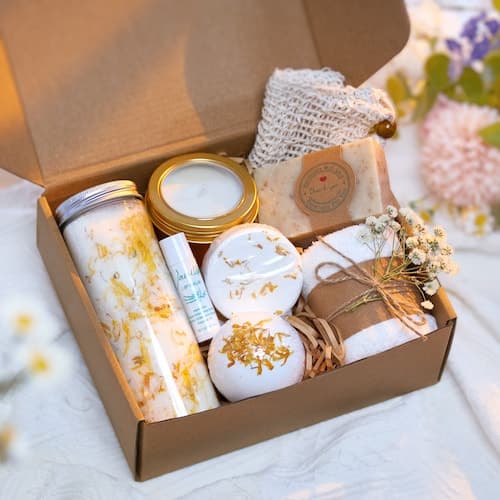
Bath bombs are doing the heavy lifting inside spa gift baskets right now. The strongest bundles do not stop at a single pretty product, they build a full at-home spa ritual around one bomb, then layer in salts, candles, soap, socks, and other small comforts that make the gift feel finished the moment it is opened.
Bath bombs as the anchor, not the add-on
The latest spa-basket roundup leans hard into the all-in-one pamper package, and that is where bath bombs matter most. In the baskets highlighted on bestproductsreviews.com, bath bombs appear alongside bath salts, a scalp massager, a scented candle, handmade soap, a facial headband, cozy socks, a plush towel, and even a blank card for a personal note. That mix makes the bath bomb more than a novelty item: it becomes the cue for the whole experience, the piece that tells the recipient what the gift is meant to feel like.
That is also why these sets sell so well as presents. A single bath bomb can set the scent theme, bring the visual payoff, and promise the relaxing soak that gives the basket its emotional center. The supporting items then do the quiet work of making the bundle look curated instead of generic, especially when the candle, soap, and body-care pieces echo the same fragrance family or color palette.
What the current roundup says shoppers want
The July 2, 2026 roundup from bestproductsreviews.com ranks LOVERY first, followed by EIRNAY, Coralogo, Jasmyn & Greene, MAYICIVO, and Spa Luxetique. The list is based on an algorithmic scan of customer reviews, brand signals, and merchant quality, which is worth keeping in mind because the baskets are being evaluated not as stand-alone bath products but as gifts with a total presentation to manage.
One featured basket is already showing strong weekly demand, which fits the bigger pattern in the category. Shoppers are not just buying items that smell good; they are looking for sets that arrive ready to gift, with the basket structure doing part of the selling before the ribbon is even tied. In that context, bath bombs are the easiest way to give a basket a clear identity fast, while the rest of the contents make the package feel generous rather than sparse.
How the best baskets are built
The smartest spa baskets in this roundup work because every item has a job. Bath salts deepen the soak, the scented candle extends the mood beyond the tub, handmade soap and body-care items add practical use, and a plush towel or cozy socks make the gift feel more complete in the room, not just in the bathroom. Even the facial headband and scalp massager matter here, because they signal that the basket is meant for a full spa night, not a quick wash and go.
That is the design lesson for sellers: bath bombs should lead, but they should not carry the whole load alone. When the rest of the bundle matches the bomb’s theme, the gift feels intentional. When the supporting pieces are mismatched or thin, the basket risks reading like a loose collection of leftovers instead of a premium self-care set.

Why bath bombs still own the gifting moment
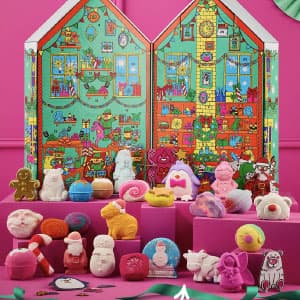
Bath bombs have the kind of built-in drama that gift baskets need. Lush says co-founder Mo Constantine invented the first bath bomb in 1989 in a garden shed in Dorset, using citric acid, sodium bicarb, and essential oils, and the company received a bath bomb trademark on April 27, 1990, a date it now marks as World Bath Bomb Day. Lush also says it has created more than 500 bath bomb designs and sold more than 350 million bath bombs globally, which shows how far the product has traveled from niche curiosity to bath-time staple.
That history helps explain why bath bombs still punch above their weight in 2026 gift shopping. They are visually obvious, easy to understand, and immediately usable, which gives them an edge in a basket format where the first impression matters. A candle may set a tone and a lotion may extend the ritual, but the bath bomb still delivers the reveal people remember.
The market backdrop behind the basket boom
The broader spa economy is giving this category room to grow. Statista says the global spa industry was projected to rise from nearly $105 billion in 2022 to more than $156 billion by 2027, while the U.S. health and wellness spa sector employed almost 361,000 people in 2023 and generated more than $23 billion that same year. Statista also says the global shower-and-bath product market is expected to reach nearly $60 billion by 2028.
That growth lines up with a shift in how people think about self-care. Statista’s bath-and-shower products coverage notes that consumers are taking their routines more seriously, and that matters for gifts because it raises expectations. A spa basket now has to feel like a ready-made ritual, not a random assortment, and that is exactly where bath bombs help the most by giving the whole package a clear center of gravity.
Why the category keeps working for shoppers and brands
For shoppers, the current basket format makes it easier to separate a thoughtful gift from a generic self-care bundle. The difference is in the mix: a bath bomb plus salts, candle, soap, socks, or a towel creates a layered experience that looks considered from the outside and feels usable on the inside. The blank card is a small but telling detail, because it signals that the basket is meant to carry a personal message as well as a scent story.
For brands, bath bombs remain one of the simplest ways to make a spa basket feel luxurious without forcing the rest of the contents to carry all the charm. They bring the color, the fragrance, and the promise of a soak, then let the supporting products do the upsell work by completing the ritual. That is why the basket format keeps coming back to the same core idea: when the bath bomb leads, the whole gift lands with more confidence.
This article was produced by Prism’s automated news system from verified source data, official records, and press releases, then run through automated quality and moderation checks before publishing. The system is built and supervised by the people who set the standards it runs under. Read our full AI policy.
Did this article answer your question?