Bath bombs can strain septic systems, experts warn
The fizz is rarely the septic problem. Oils, petals, glitter, and butter-heavy bath bombs are what can clog tanks and drain lines.
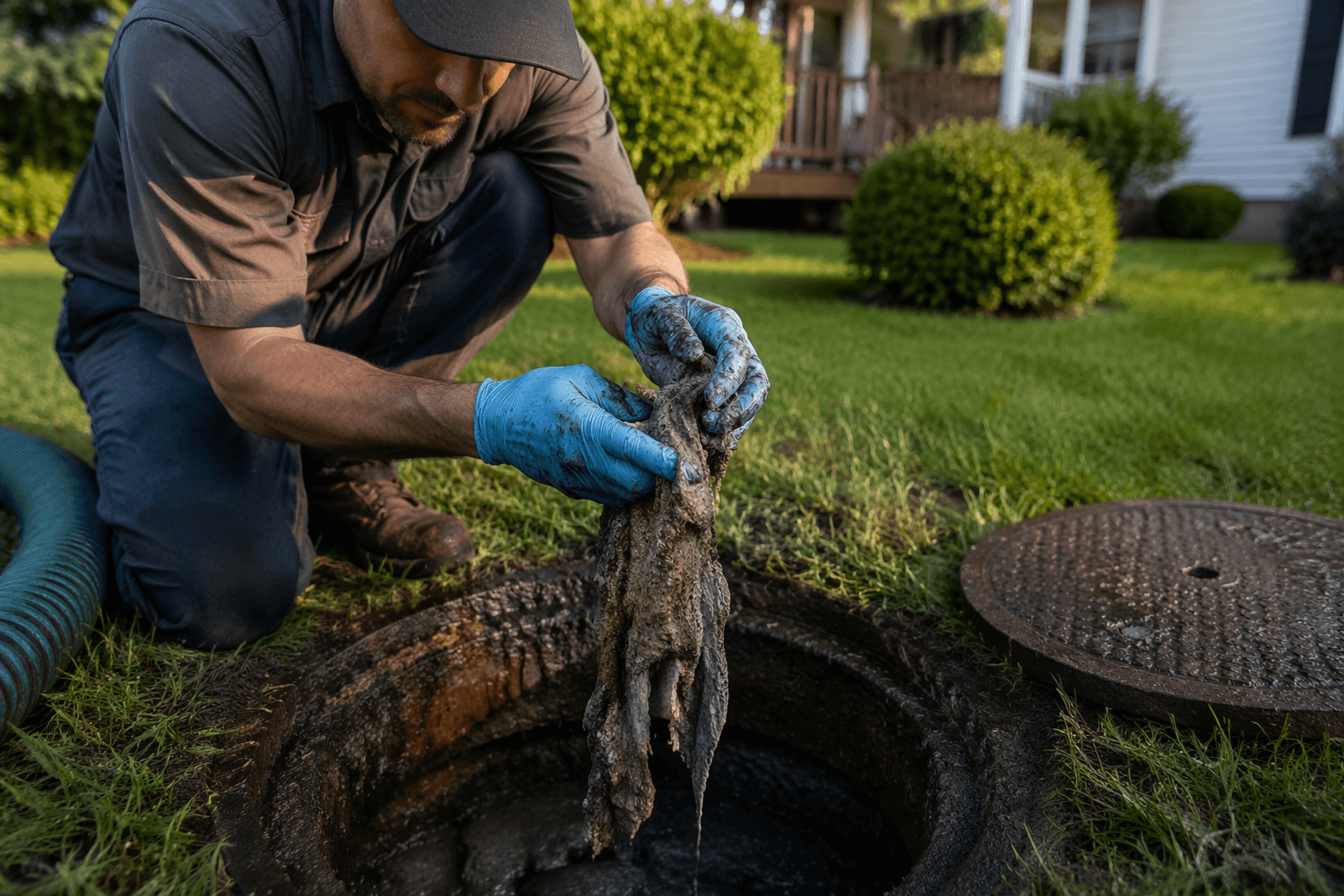
Flower petals, glitter, confetti, oils, and butters in a bath bomb can cause more trouble for a septic system than the fizzing base itself. The ingredients that turn a soak into a sparkle bath can leave behind solids, fats, oils, and salts that a septic system has to deal with long after the tub is empty.
What in a bath bomb is usually the lower-risk part
At the core, most bath bombs rely on sodium bicarbonate and citric acid to create the fizz. Those base ingredients are the least likely to create a septic headache on their own, especially when the product is used occasionally and in modest amounts. The trouble starts when the formula gets dressed up with extras that do not dissolve cleanly or that behave like grease once they cool in the plumbing.
In a July 5, 2018, *Onsite Installer* magazine story cited by UGA Extension, Dr. Sara Heger framed the issue as wastewater behavior, not just a bath-time fragrance question. In plain terms, a simple, lightly decorated bomb is a different thing from a richly layered product loaded with oils, butters, petals, and glitter.
The ingredients that create real risk
The first red flag is anything solid that can travel into the drain and linger. Flower petals, lavender buds, glitter, and confetti do not dissolve the way the fizzing base does. Those bits can plug plumbing, clog effluent filters, and accumulate farther down in the system, where they add to the sludge problem a tank is already managing.
The second big issue is fats and oils. Bath bombs often include fragrance oils or added oils for skin feel, but butter-heavy products are more troublesome because they can behave like grease in the line. UGA Extension notes that cocoa butter melts at about 97°F, while typical bathwater runs around 105°F, so once that water cools in the pipes, the butter can solidify and create a blockage. That is why bath truffles, which tend to carry more butter, are the kind of product septic owners should skip.
Salts are another piece of the load. Bath bombs can add salts to the tank, and repeated use can create gradual buildup rather than an obvious immediate failure. A system can seem fine for a while, then start showing symptoms after the residue has had time to stack up.
How to read a label before you soak
If you live on a septic system, the safest bath bomb is the plainest one you can find. Look for short ingredient lists built around sodium bicarbonate and citric acid, with minimal oils and no chunky add-ins. The more a product resembles a craft project, the more likely it is to leave material behind in your plumbing.
A practical rule is simple: if you can see petals, glitter, confetti, or a thick buttery core, treat it as a maintenance issue, not a harmless indulgence. Even fragrance and color are worth keeping modest, because the goal is to reduce everything that can settle, coat, or harden in the tank and drain line.
There is also a low-tech workaround if you are not ready to give up bath bombs entirely. Catching solids with pantyhose or a fine mesh strainer over the drain can help intercept petals and other debris before they enter the system. That is not a cure-all, but it is better than letting the pieces go straight into the line.
What septic systems are built to handle
Septic systems are designed to hold wastewater only for a few days before partially treated effluent exits the tank. Penn State Extension says a properly sized tank can safely store up to about three years of sludge and scum, but that does not mean the system wants an endless stream of solids from bath products. Penn State Extension says once solids climb beyond about 30% of tank volume, they are no longer staying where they should.
Penn State Extension says septic tanks should generally be pumped every 3 to 5 years or when an inspection finds the tank more than one-third filled with solids or scum. EPA guidance says a typical septic system should be serviced every one to three years by a septic service professional.
EPA says routine maintenance runs about $250 to $500 every three to five years, while repairing or replacing a malfunctioning conventional system can cost $5,000 to $15,000.
Why this matters to so many households
The American Society of Civil Engineers says nearly 1 in 5 U.S. households, more than 66 million households, use on-site wastewater systems. EPA’s SepticSmart program tells consumers to keep fats, grease, solids, and harsh chemicals out of the drain.
Lush says co-founder Mo Constantine invented the first bath bomb in 1989 in Dorset, England, and the company received the bath bomb trademark on April 27, 1990. Lush also says it has sold hundreds of millions of bath bombs globally.
This article was produced by Prism’s automated news system from verified source data, official records, and press releases, then run through automated quality and moderation checks before publishing. The system is built and supervised by the people who set the standards it runs under. Read our full AI policy.
Did this article answer your question?