Confetti Candle Co spotlights bath bombs for sensitive skin
Confetti Candle Co’s sensitive-skin bath bombs are really a label test in disguise: skip fragrance and dyes, and look for oatmeal, butters, and aloe.
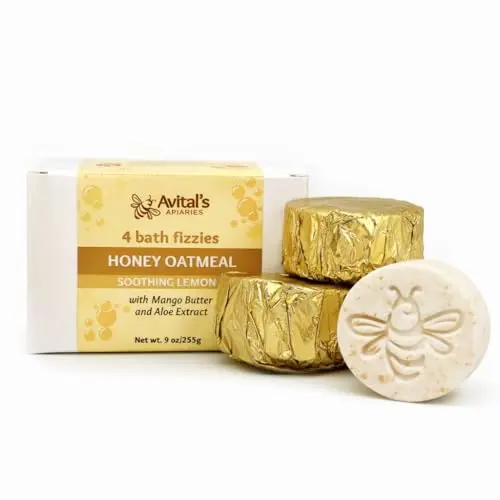
The best bath bomb for sensitive skin is the one that gives you the fizz and leaves out the afterburn. Confetti Candle Co’s July 2026 review puts that problem front and center, arguing that the real divide is not branding or sparkle but ingredient choice, especially for anyone prone to redness, itching, or eczema flare-ups.
What the review is screening for
Confetti’s case is simple: a bath bomb should feel calming, not punishing. The formulas it favors lean on colloidal oatmeal, shea butter, mango butter, and aloe, while avoiding harsh dyes and synthetic fragrances that can turn a relaxing soak into a skin reaction. That framing matters because bath bombs often sell themselves on color and novelty, but for reactive skin those are exactly the details to treat with suspicion.
The review’s top pick, Colloidal Oatmeal Bath Bombs, is presented as a soothing option for dry and sensitive skin. Confetti describes the formula as combining colloidal oatmeal with mango butter and aloe, which it says creates a gentler fizz and a milky, moisturizing bath rather than a perfumed blast. The product is handmade in small batches in New York and comes in a lavender-and-lemongrass scent meant to stay relaxing without taking over the tub.
Why the ingredient list matters more than the packaging
The reason this kind of screening works is that sensitive skin has a short fuse. The American Academy of Dermatology says people with eczema have very sensitive skin and that many products touching the skin can trigger flares, sometimes hours or days later. The same guidance recommends fragrance-free products rather than simply unscented ones, which is a useful distinction when bath bombs are trying to smell soft or clean without admitting how much fragrance is actually inside.
The National Eczema Association points in the same direction. Its bathing advice favors lukewarm water, fragrance- and dye-free gentle cleansers, and moisturizing soon after bathing while the skin is still moist. It also uses its Seal of Acceptance for products free of fragrance, dyes, and other common allergens, which makes the seal a stronger screen than a pretty label or a soothing-sounding scent name.
That is the real service behind Confetti’s review. It treats bath bombs as a skin experience first and a novelty object second, which is the right reversal for anyone whose bath routine has ended in regret.
The ingredients that make sense for sensitive skin
Colloidal oatmeal is the clearest star in the list, and the dermatology evidence backs that up. The American Academy of Dermatology says adding colloidal oatmeal to bath water can help relieve dry, itchy skin. PubMed-indexed research also describes colloidal oatmeal as a natural ingredient used for dryness and itchiness, including as an adjunct in atopic dermatitis, and another review found oatmeal has antioxidant and anti-inflammatory properties that can help in inflammatory skin conditions such as pruritus and atopic dermatitis. A separate clinical study reported that a 1% colloidal oatmeal cream reduced itch and improved atopic dermatitis outcomes in patients.
The butters and aloe Confetti highlights fit the same comfort-first logic. Shea butter and mango butter are there to soften the bath experience, while aloe is the kind of ingredient people reach for when they want a product to feel less stripping and more cushioning. In a bath bomb, those additions matter because the best sensitive-skin formulas should calm, moisturize, and leave no sticky residue behind.
What to avoid before you buy
The easiest way to use this review is as a screening checklist. If a bath bomb advertises itself with a long scent story, bold color, or big sensory spectacle, the label deserves a second look before it reaches the tub.
- Skip formulas that lean on synthetic fragrance high on the ingredient list.
- Avoid harsh dyes if your skin tends to react after bathing.
- Be cautious with “unscented” claims, since the Food and Drug Administration says unscented products may still contain fragrance ingredients used to mask odor.
- Check for an actual ingredient list, because the FDA requires retail cosmetics to carry one.
- Treat “hypoallergenic” as a marketing word, not a guarantee.
That last point is not theoretical. A 2023 PubMed study found that 73.6% of 208 products marketed as hypoallergenic still contained at least one allergen or related chemical. Fragrance was the most frequent related chemical, appearing in 40.1% of the sampled personal care products. In other words, the label can sound reassuring while the formula still contains the same triggers you were trying to avoid.
How to read the bath bomb aisle like a sensitive-skin regular
Sensitive skin is not a niche concern. A PubMed review estimates worldwide sensitive-skin prevalence at close to 40%, which helps explain why this kind of ingredient scrutiny matters well beyond one brand or one bath product. The Confetti review sits inside that bigger reality: a lot of people want the fun of a bath bomb without the follow-up sting, and the only reliable way to get there is to read the formula, not the marketing.
If you are choosing one for eczema-prone or reactive skin, the most useful habits are the plainest ones. Stick with fragrance-free when you can. Favor dyes-free formulas. Look for colloidal oatmeal, and be more interested in quiet moisturizing ingredients than in loud color or glittery theater. The best bath bomb in this lane is the one that turns down the noise, gives you a softer soak, and lets your skin feel as calm when you get out as it did when the water first started fizzing.
This article was produced by Prism’s automated news system from verified source data, official records, and press releases, then run through automated quality and moderation checks before publishing. The system is built and supervised by the people who set the standards it runs under. Read our full AI policy.
Did this article answer your question?