Cook Like Mom Shares Beginner-Friendly Homemade Bath Bomb Recipe
Cook Like Mom’s bath bomb formula leans on Epsom salt, tiny water additions, and built-in fixes for the failures that sink most first batches.
Why this beginner recipe stands out
Bath bombs usually fail for one of three reasons: the mix gets too wet, the mold pack is too loose, or the batch meets too much humidity before it has time to set. Cook Like Mom’s homemade version gets ahead of all three with a formula that feels made for first-timers, not just experienced crafters. It keeps the ingredient list familiar, the tools simple, and the instructions specific enough to answer the question most beginners have: how do you make the powder hold together without turning it into a foamy mess?
That practicality matters in a hobby that has outgrown its “cute craft” reputation. Bath bombs are part of a market that industry estimates place at about $1.38 billion in 2024, with continued growth projected into the early 2030s. The appeal is obvious: a small, giftable product that promises color, scent, and a spa-at-home payoff. But the same thing that makes bath bombs inviting also makes them fragile, which is why a recipe with explicit troubleshooting can be more reliable than the kind of vague, all-purpose formula that leaves beginners guessing.
What goes into the bowl
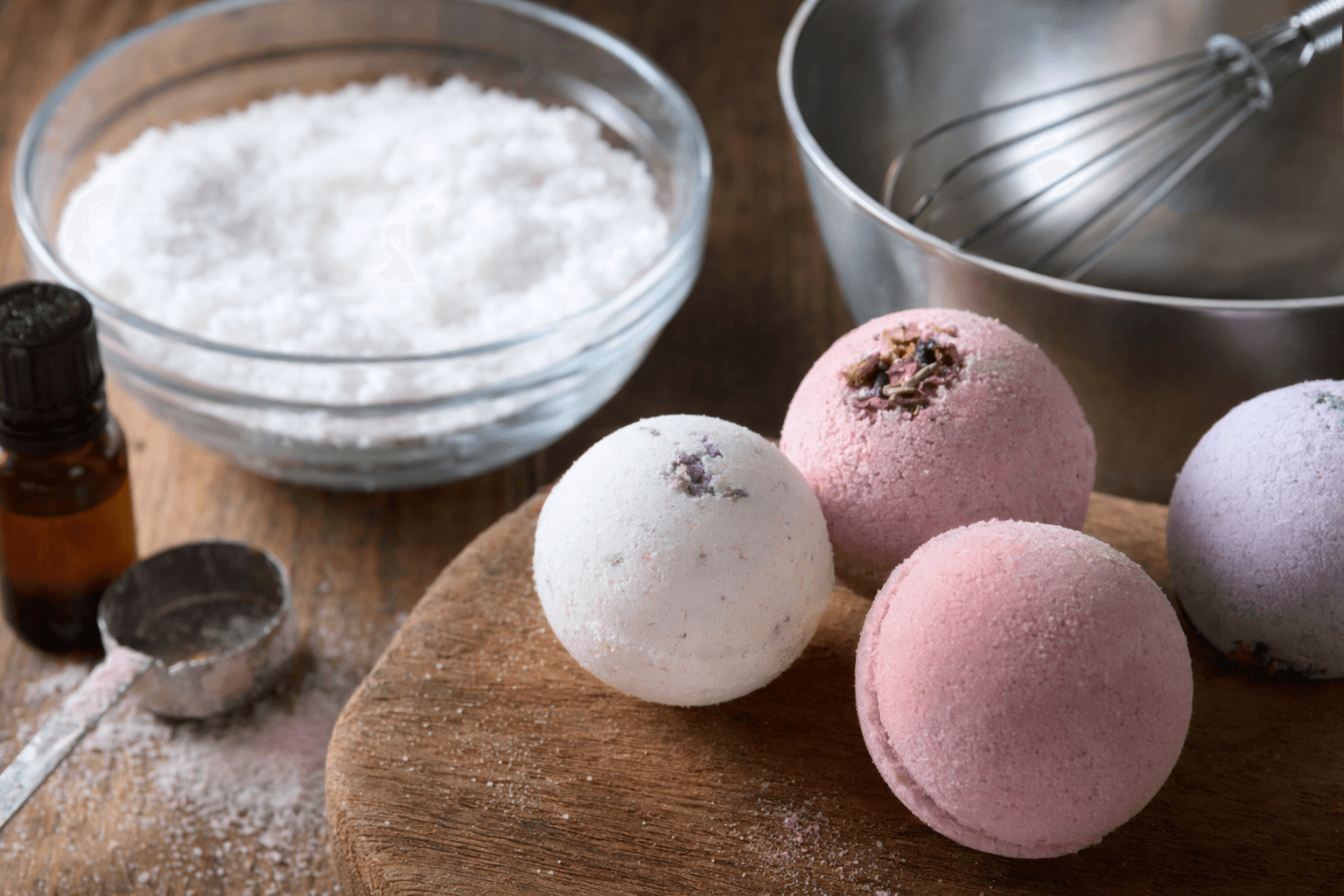
Cook Like Mom’s recipe uses the core bath bomb ingredients that DIY makers already recognize: baking soda, citric acid, Epsom salt, cornstarch, a carrier oil such as sweet almond, coconut, or jojoba, and an essential oil such as lavender or chamomile. Food coloring is optional, which is a useful signal to first-timers that color is an enhancement, not the backbone of the recipe. The tools list is equally approachable: a mixing bowl, whisk, spray bottle, molds, and optional gloves for handling scent and color.
That lineup closely matches standard DIY guidance from the Epsom Salt Council, which also uses baking soda, citric acid, cornstarch, Epsom salt, water, essential oil, coconut oil, and food coloring. The notable addition here is the emphasis on Epsom salt itself, especially the version with the USP designation for human use. That detail may sound small, but it gives the recipe a sturdier foundation and helps anchor the bath bomb as something meant to be dropped into real bathwater, not just mixed for show.
The method is doing the teaching
The strongest part of the recipe is not the ingredients, but the order. First, the dry ingredients are whisked until they are clump-free. Then the carrier oil and essential oil are blended separately before being drizzled into the dry mix slowly while whisking. Only after that comes the water, and even then it is added in a deliberately tiny, controlled amount so the mixture only just holds together when squeezed.
That sequence solves a classic beginner problem. In many first attempts, water goes in too fast, the citric acid and baking soda start reacting too early, and the whole bowl expands, grains, and turns sandy or crumbly later. Cook Like Mom’s method slows the reaction down long enough for the bath bomb to be packed firmly into molds, then left to dry for at least 24 hours, with extra air-drying if needed. It is a simple recipe, but not a careless one, and that difference is what makes it useful.
The failure points it actually addresses
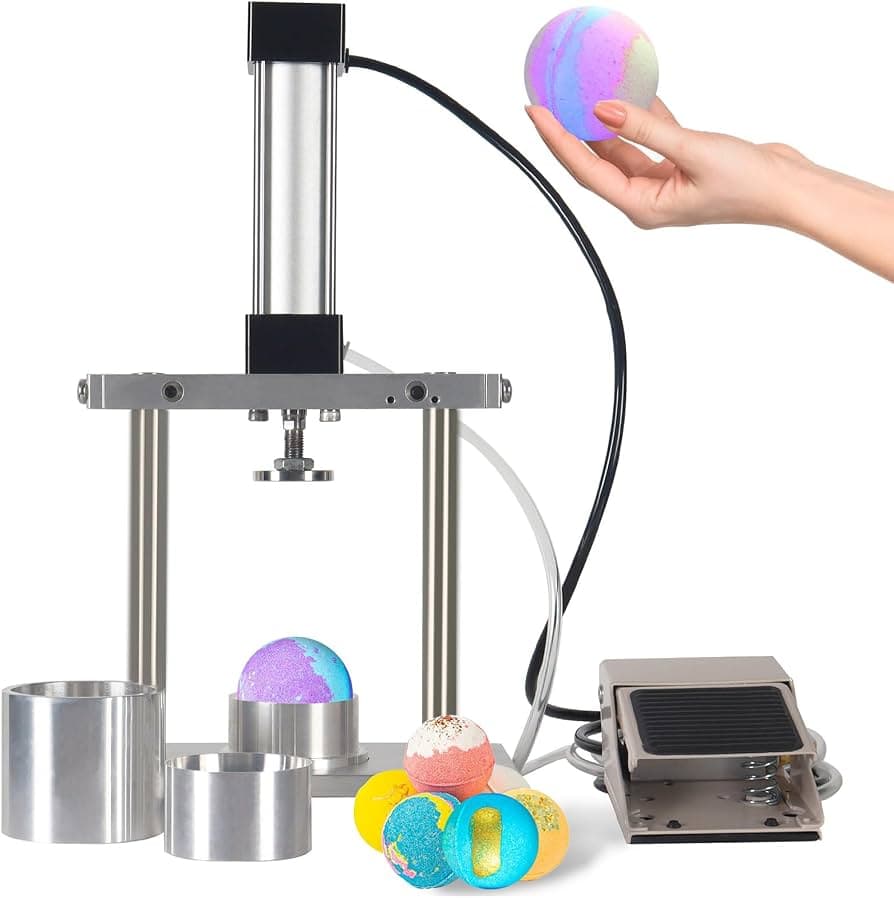
The recipe’s troubleshooting section reads like a list of the mistakes most bath bomb makers eventually learn the hard way. Too much water is the biggest one, because a slightly over-wet batch can start fizzing in the bowl instead of in the tub. Loose packing in the mold is another, because even a well-mixed batch can crack or crumble if it is not pressed firmly enough to hold its shape.
Humidity is the third trap, and it is a big one. Craft sources consistently name moisture and humidity as the main enemies of bath bombs, with some makers going so far as to avoid production on rainy days or use dehumidifiers and low-temperature drying when the air is heavy. That lines up with the logic of the recipe itself. A bath bomb is basically a controlled chemical reaction waiting for water, so the drier the workspace and the more patient the drying time, the better the finished product tends to be.
Variations that still stay beginner-safe
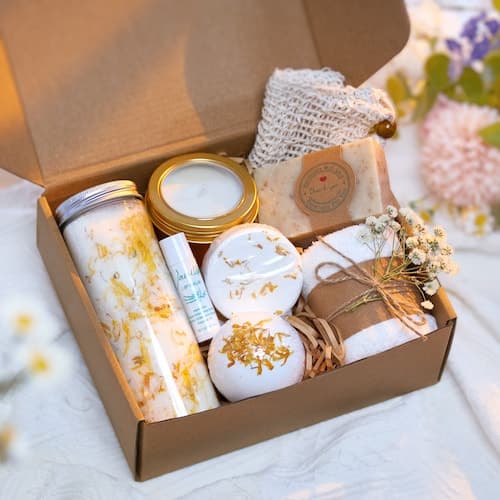
Cook Like Mom does not treat the basic formula as a dead end. Instead, it offers three variations that keep the recipe approachable while giving makers room to personalize the batch. Floral Delight adds dried lavender buds or rose petals. Citrus Burst uses lemon or orange essential oil with zest. Oatmeal Soother folds in colloidal oatmeal for a more skin-comforting feel.
These swaps work because they stay close to the original structure. They do not ask the maker to reinvent the recipe, only to adjust scent, texture, or the visual finish. That is especially smart for beginners, since the fastest way to lose confidence in bath bombs is to start making changes before the base formula is stable. Here, the recipe gives permission to experiment, but only after the method has already done the heavy lifting.
Why the safety context matters, even for a home craft
There is another layer to this story that matters if the recipe moves beyond the kitchen counter. The U.S. Food and Drug Administration treats cosmetics as products that must be safe under labeled or customary conditions of use and properly labeled. It also says color additives in cosmetics are tightly regulated and must be permitted for the intended use. That means the seemingly casual choice to add food coloring or switch in another colorant is not just decorative if the product is ever sold.
The same caution applies to essential oils. FDA guidance notes that regulation depends on intended use, and that cosmetic products and ingredients must meet the same safety requirements whether they are marketed as natural or organic. In other words, lavender or chamomile may sound gentle, but scent is still part of the safety picture, especially if the bath bomb is sold rather than kept as a personal craft. For anyone making batches for gifts, markets, or a small side business, the recipe’s easy swaps are useful only when they stay within those boundaries.
Why this recipe is more reliable than the average DIY formula
A lot of bath bomb recipes promise ease, then leave the maker to improvise the one part that actually decides success: moisture control. Cook Like Mom’s version is more reliable because it treats that step as the centerpiece instead of an afterthought. Epsom salt gives the formula a familiar bath-time backbone, the oils are added in a controlled way, and the instructions are specific enough to keep the mixture on the right side of “holds together” without crossing into “already fizzing.”
That is why this recipe feels genuinely beginner-friendly rather than merely simple. It respects the fact that first-timers usually do not need more creativity, they need fewer chances to go wrong. By pairing pantry-level ingredients with honest troubleshooting, it gives the bath bomb hobby what it often lacks: a clear path from powder in a bowl to a finished bomb that actually survives the mold.
This article was produced by Prism’s automated news system from verified source data, official records, and press releases, then run through automated quality and moderation checks before publishing. The system is built and supervised by the people who set the standards it runs under. Read our full AI policy.
Did this article answer your question?