How temperature changes the fizz in bath bombs
Warm water speeds bath bombs up, but the formula decides whether they fizz cleanly, crumble, or burn out early. Cornstarch, oil, and moisture set the pace.
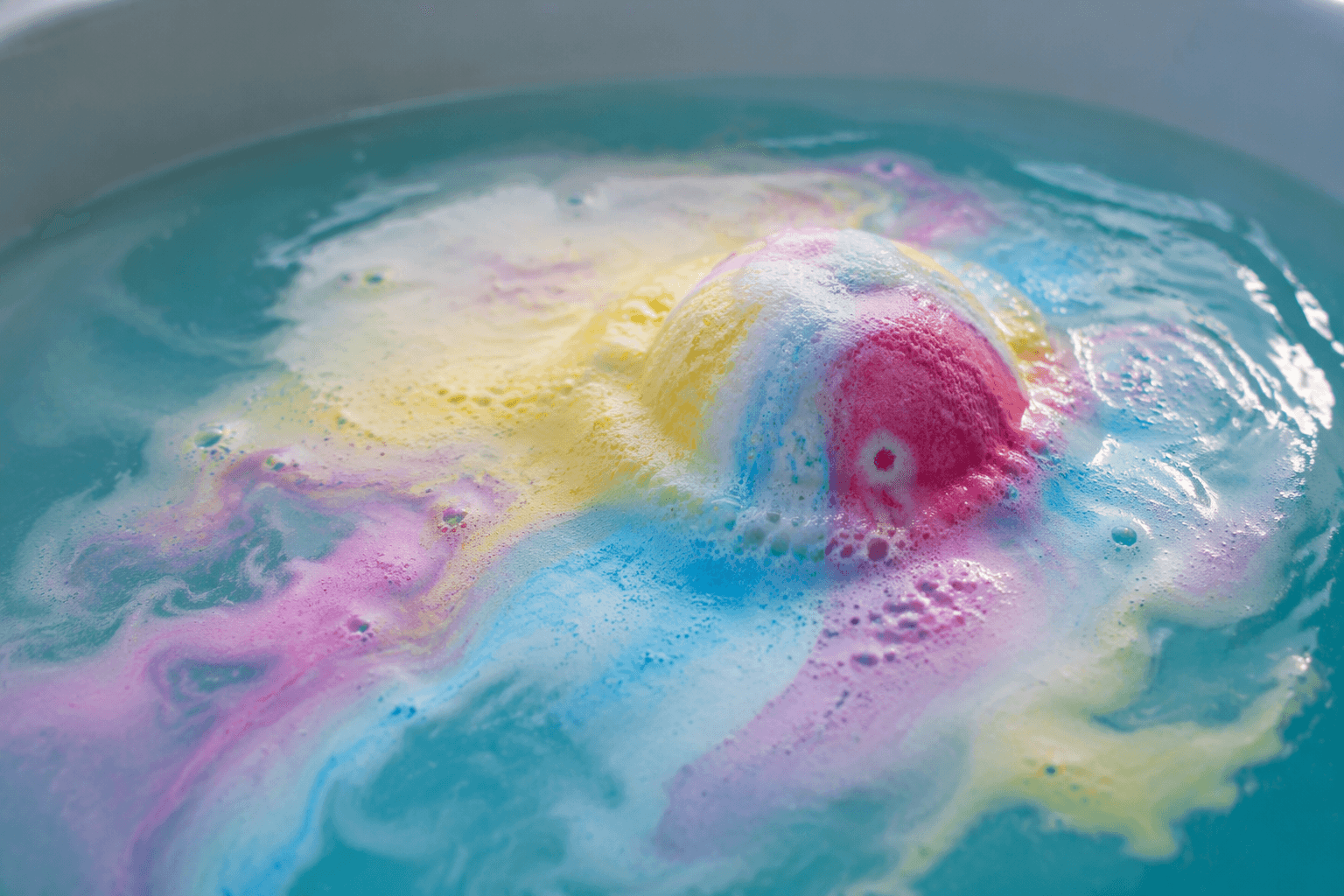
A 2020 *Journal of Chemical Education* paper by Meaghan Cabassa and Beth L. Haas made bath bombs with citric acid, baking soda, and Epsom salts and ran them at different temperatures. Warm water changes how a bath bomb behaves in the tub, and that difference is easy to test with a simple citric acid and baking soda mix.
Why temperature changes the fizz
The chemistry is classic acid-base effervescence. Sodium bicarbonate is the base, citric acid is the acid, and when water reaches the dry mix, the ingredients dissolve and react to produce carbon dioxide gas. That gas is what makes the bath bomb bloom into bubbles instead of just melting away.
Temperature changes the pace because hotter water dissolves the solids faster. The warmer the bath water, the more quickly the bomb will fizz and fizzle out. Cooler water slows the dissolve, so the same bomb can feel calmer, last longer, and release its reaction in a more drawn-out way.
What each ingredient is doing
Bath bombs are not just citric acid and baking soda pressed into a pretty shape. Cornstarch is added to slow the reaction so the bomb fizzes longer, and coconut oil is used to hold the solid ingredients together. Epsom salts often show up as part of the structure or sensory profile, giving the bomb a different feel in the mold and in the bath.
That balance matters when you are looking for a bomb that holds its shape, travels well, and gives a steady fizz instead of a burst-and-done reaction. More binder can make a bomb sturdier and easier to handle, while more cornstarch generally stretches out the fizz. The tradeoff is pace: a bomb built to last longer in the tub usually gives up some of the instant drama of a fast-reacting one.
The moisture balance is just as important as the ingredient list. High humidity is a major problem because stray moisture can ruin stability before the bomb ever reaches the bath. Too little moisture and the bomb will not hold together; too much and it may expand or erupt in the mold.
When the bomb goes wrong
A bomb that fizzed too fast is usually telling you that heat or formula pushed the reaction too hard. Warm water is the first suspect because it speeds dissolution, and a mix that is light on cornstarch can burn through even faster. If you want a longer run, cooler bath water and a formula with more structure are the most direct levers to pull.
A bomb that crumbles before it gets to the tub points to a stability problem, not a chemistry problem. The dry mix may be too dry, the press may be too loose, or humidity may have stolen the mix’s ability to bind cleanly. Coconut oil helps hold the solids together, but the batch still needs the right moisture window and enough pressure in the mold.
A bomb that expands or erupts in the mold is usually fighting too much moisture. High humidity is enough to trigger premature reaction, which is why storage and mixing conditions matter as much as the recipe itself. Once that reaction starts early, the bath bomb loses the compact hardness that helps it survive handling.
A bomb that underperforms often has the opposite problem: it is too dry, too slow, or too heavily weighted toward ingredients that slow the show. Cornstarch is useful because it stretches the fizz, but too much of that effect can make the reaction feel muted.
Why this still matters beyond the sink and tub
LUSH says co-founder Mo Constantine invented the original bath bomb in 1989, and the company calls her the “Mother of Bath Bombs.” In a 2021 AMA post, Jack Constantine said he learned bath bombs from his mum, Mo Constantine, who invented them in 1989.
Market Research Future puts the bath bomb market at USD 1.268 billion in 2024. Global Market Insights estimates the global market at USD 1.38 billion in 2024 and projects it to reach USD 2.49 billion by 2034, while Grand View Research says the global bath bombs market is expected to hit USD 2.84 billion by 2030.
Bath bombs show up in chemistry classrooms, science-fair style activities, and ACS-linked National Chemistry Week materials built around the theme “Fast or Slow...Chemistry Makes It Go!” They make reaction rate visible.
This article was produced by Prism’s automated news system from verified source data, official records, and press releases, then run through automated quality and moderation checks before publishing. The system is built and supervised by the people who set the standards it runs under. Read our full AI policy.
Did this article answer your question?