How to keep bath bombs fresh with better storage and packaging
Humidity, weak packaging and long shelf time are the three fastest ways to ruin a bath bomb. The fix is simple: dry storage, moisture-barrier wrap and a use-by mindset.
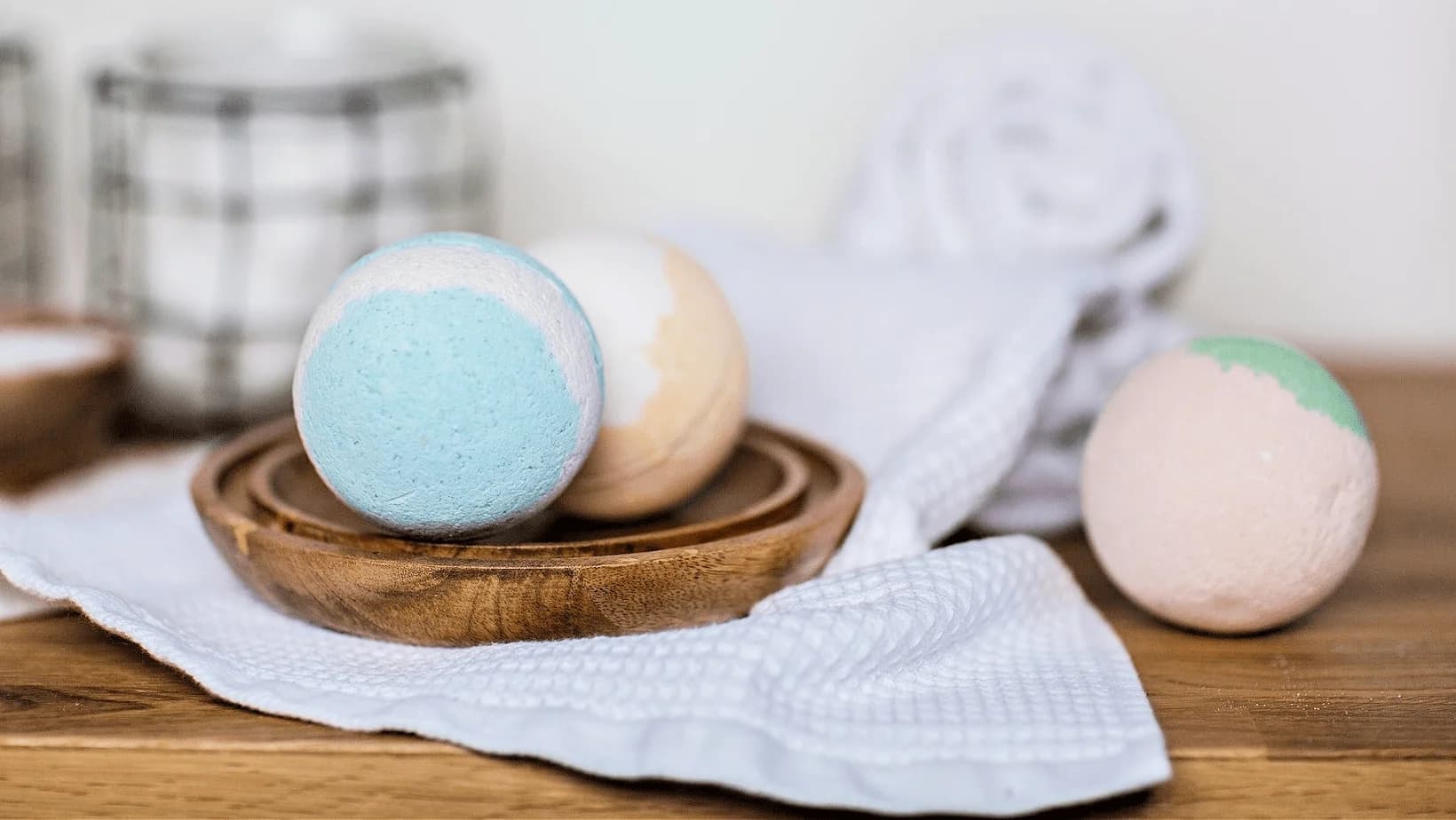
A bath bomb left in a bathroom, packed in moisture-leaking wrap or kept too long can lose fizz and fragrance before it ever reaches the tub. The product looks finished the day it comes out of the mold, but the real test starts after that, because a dry, reactive formula can soften, crack, turn chalky or begin to fizz early if the air and packaging work against it.
Why freshness is the real finish line
Mo Constantine, co-founder of Lush Cosmetics, is credited with inventing the bath bomb in 1989 after being inspired by the fizzing action of Alka-Seltzer tablets. Lush later called the bath bomb a 37-year-old, category-defining bathing item. Its appeal depends on a controlled reaction, a satisfying pop and a strong scent release. Once moisture gets in, that reaction starts to fade long before the bomb reaches the tub.
Bath bombs are usually built from dry powders, a little oil and a minimal amount of liquid, so they behave more like a sensitive finished product than a hardy craft project. Protect the bomb from humidity, keep it in a cool, dry place and choose packaging that blocks moisture instead of inviting it in.
The three storage failures that ruin bath bombs
Humidity is the first enemy. A bath bomb left in a bathroom, laundry room or windowsill can absorb water from the air, even if it feels hard when you first unmold it. Once that happens, the bomb may soften, expand, crack or go chalky and crumbly.
Poor packaging is the second failure. Bath bombs need moisture-resistant wrapping, because packaging is not just about presentation, it is part of preservation. NorthWood Candle & Craft recommends shrink wrap, sealed bags and other moisture-barrier formats to keep humidity out during storage and shipping, while more protective films and seals reduce the chance of premature fizzing and softening.
Overlong shelf time is the third issue. Bath bombs can last about six months before they start losing fizz and fragrance, depending on ingredients and storage conditions. That does not mean every bomb goes bad on day 181, but it does mean a maker should treat freshness as a timeline, not a vague hope.
The simplest decision framework
If you want the quick answer on what to use, match the package to the job:
- Short-term storage: keep finished bath bombs in a cool, dry place, away from bathrooms and other humid zones. A sealed bag or tightly closed container works better than an open shelf.
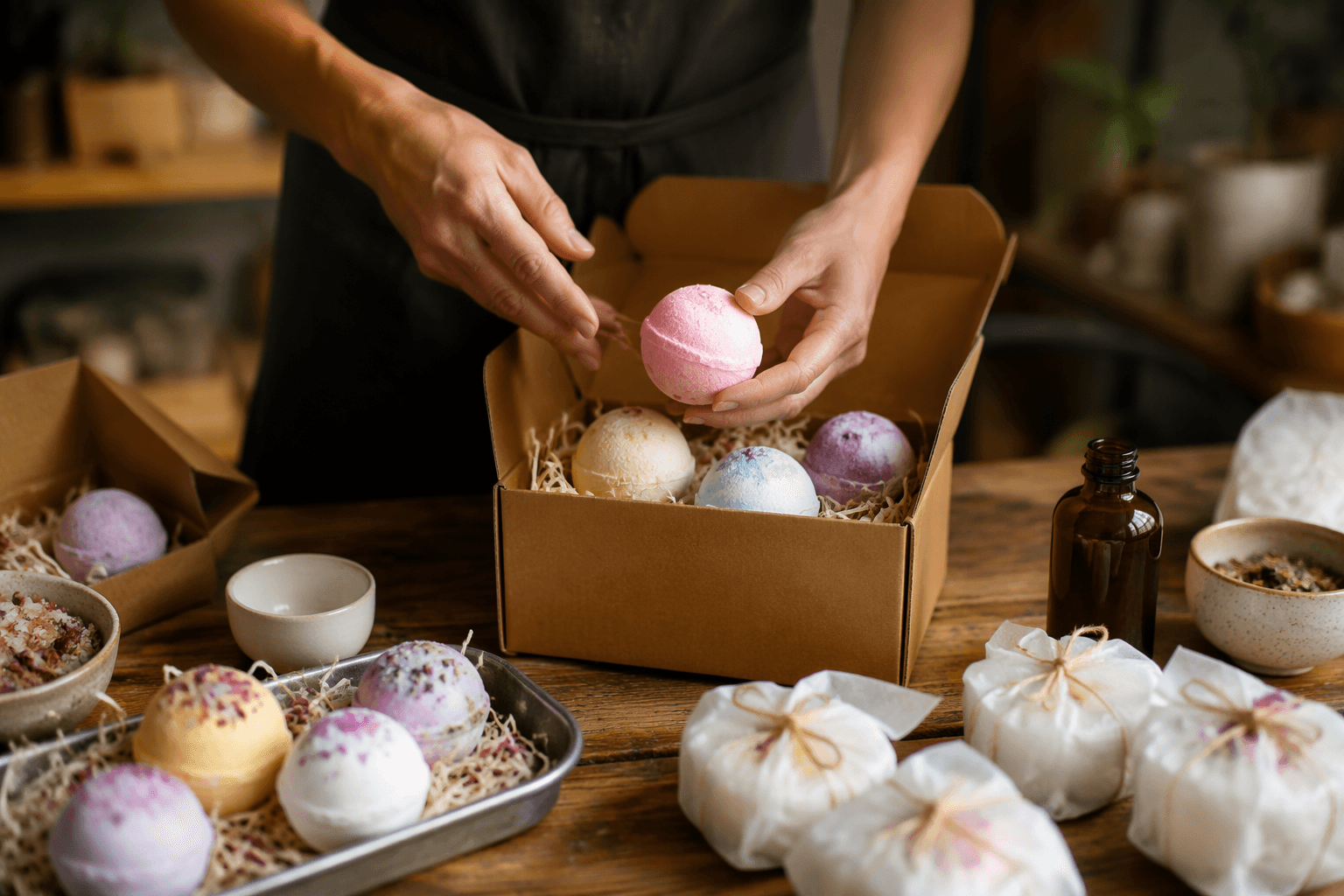
- Gifting: use moisture-resistant packaging that still looks polished, such as shrink wrap or sealed bags. The goal is to protect scent and fizz while keeping the presentation clean.
- Shipping: choose the most protective option you can, because bath bombs can lose quality in transit when heat and humidity stack up. Moisture barrier protection matters specifically for shipping.
- Humid homes: use the strongest barrier you can manage, because a pretty container is not enough if it leaks moisture. In damp climates or rooms with poor ventilation, airtight or high-barrier packaging matters more than display.
What packaging actually helps
The strongest packaging solutions are the ones that block moisture before it reaches the formula. Shrink wrap is popular because it hugs the product closely and creates a visible seal. Sealed bags offer another practical layer, especially for single bombs or multi-pack sets. A packaging vendor puts the shelf-life extension from vacuum-sealed moisture barrier bags at 2 to 3 times, though that figure does not come from an independent test.
The tighter the moisture barrier, the better the bomb keeps its scent, color and fizz. Cosmetic stability guidance tracks appearance, color, odor, viscosity, pH and package compatibility over time. Bath bombs are not always regulated like leave-on cosmetics, but the same idea applies cleanly here: if the package and the product do not work together, the bomb loses quality faster.
How to handle drying, storage and display
Maker forums commonly recommend a 24-hour drying or setting period before packaging. That is anecdotal rather than a formal standard, but it fits the basic chemistry of the product. Rushing straight from mold to wrap traps residual moisture and gives the bomb less time to stabilize.
Once wrapped, store the bombs in a cool, dry place and keep them away from heat and humidity swings. Bathrooms are the classic bad choice, but so are places that cycle between damp and warm, because those changes help the bomb absorb moisture over time. Retail display needs the same discipline, since an attractive shelf arrangement does not help if the product is slowly losing its fizz in the background.
How to tell when freshness is fading
A fading scent, dull surface, softer feel or weak fizz in the tub all signal fading freshness. Those signs are especially important for batch makers and gift sets, because a bomb that was perfect on the day it was made may not perform the same way weeks later if it has sat in humid air.
This article was produced by Prism’s automated news system from verified source data, official records, and press releases, then run through automated quality and moderation checks before publishing. The system is built and supervised by the people who set the standards it runs under. Read our full AI policy.
Did this article answer your question?