Luxury bath bombs blur self-care, gifting, and spa-worthy indulgence
Luxury bath bombs now compete on more than fizz. The real test is whether scent, skin feel, packaging, and price per soak justify the splurge.
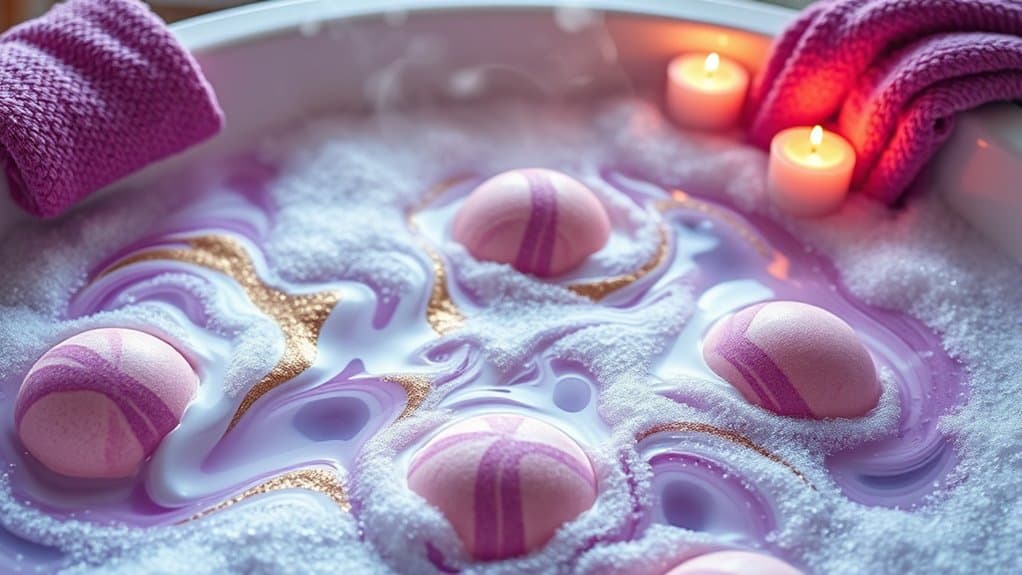
A luxury bath bomb now has to justify the price of one soak with scent complexity, skin feel, packaging, and surprise extras. The category is being judged like a real purchase, not just by how prettily it explodes in the tub. That makes the luxury bath bomb shelf less about novelty and more about value.
One comparison of 13 bath bombs across 10 brands weighs spa experience, ingredient quality, scent, skin benefits, and presentation. It separates cleaner, natural-leaning formulas from more theatrical, giftable bombs that trade on visual drama, which is exactly how a lot of buyers now browse: by mood, by occasion, and by how special the box feels when it opens.
What luxury means in a bath bomb
Luxury claims only matter if they show up in the water. Essential oils should read as more than a label flourish, the scent should carry through the soak, and the color should make the bath feel intentional without turning the tub into a cleanup job. In a category where presentation can outrun performance, the most useful comparison is whether the bomb delivers a better bath, not just a prettier one.
That is why the sharpest buying question is no longer “What scent do you like?” It is “What does this one bath actually give you?” Some bombs promise a more therapeutic soak, others lean into a multi-scent experience, and some are built to feel giftable before they are ever dropped in the water.
From novelty to collectible ritual
Lush credits Mo Constantine with inventing the first bath bomb in 1989 in her garden shed. Lush says it was first awarded the bath-bomb trademark on April 27, 1990, and it now marks that date each year as World Bath Bomb Day.
Lush says it has created more than 500 bath bomb designs and sold more than 350 million bath bombs globally.
Why the market can support the splurge
Bath bombs also sit inside a much larger personal-care economy. Bath-and-shower products are designed to turn bathing into a pampering experience, and Statista’s 2026 worldwide beauty-and-personal-care forecast projects US$698.38 billion in revenue for the category, with personal care as the largest segment.
Luxury bath bombs are not fighting for attention in a tiny corner of the aisle. They are competing inside a broad wellness market where consumers already expect self-care products to do more than clean. A bath bomb can now be a ritual object, a gift, or a small spa substitute, and the same shopper may want different versions for each use.
How to read the premium claims
The label language around luxury bath bombs can sound similar from brand to brand, but the value lives in the details. Look for these differences:
- Essential oils versus fragrance alone, especially if you want a stronger spa-like aroma.
- Skin feel after the soak, including whether the water feels nourishing or just scented.
- Scent longevity, since a premium bomb should usually linger beyond the first fizz.
- Color payoff, which can make the bath feel more immersive without staining the tub.
- Cleanup, because a luxury soak loses appeal if you are scrubbing residue afterward.
- Presentation, especially when the bomb is meant as a gift or a seasonal treat.
Those details are where the category splits. Some products are aimed at elegant gifting and natural relaxation, while others are meant to look dramatic, even jewel-like, before they ever touch the water. A hidden jewelry surprise pushes that giftable logic even further, turning the bath bomb into an event rather than just a product.
Ingredient story and regulatory reality
Ingredient-conscious buyers are pushing the market toward cleaner formulas, but premium positioning still has to work within cosmetic rules. In the United States, cosmetics are subject to labeling requirements, other cosmetic regulations, and ingredient guidance from the FDA. That matters in a category where brands often lean on words like soothing, relaxing, nourishing, or skin-friendly.
Those claims may help a bath bomb feel luxurious, but they also make the ingredient list worth a close read. A premium bath bomb should feel like a deliberate formulation, not just a scented shape with a pretty shell.
Packaging is part of the value, not just the image
Luxury bath bombs also live or die on presentation. Lush says it uses less than half the packaging materials a comparable cosmetic company would use by selling products without packaging. Packaging can become part of the luxury pitch in two different ways: as gift-ready theater or as a sustainability statement.
For some buyers, the box, the colors, and the reveal are part of the payoff. For others, the appeal is that a premium-feeling bath product can still avoid excess waste.
This article was produced by Prism’s automated news system from verified source data, official records, and press releases, then run through automated quality and moderation checks before publishing. The system is built and supervised by the people who set the standards it runs under. Read our full AI policy.
Did this article answer your question?