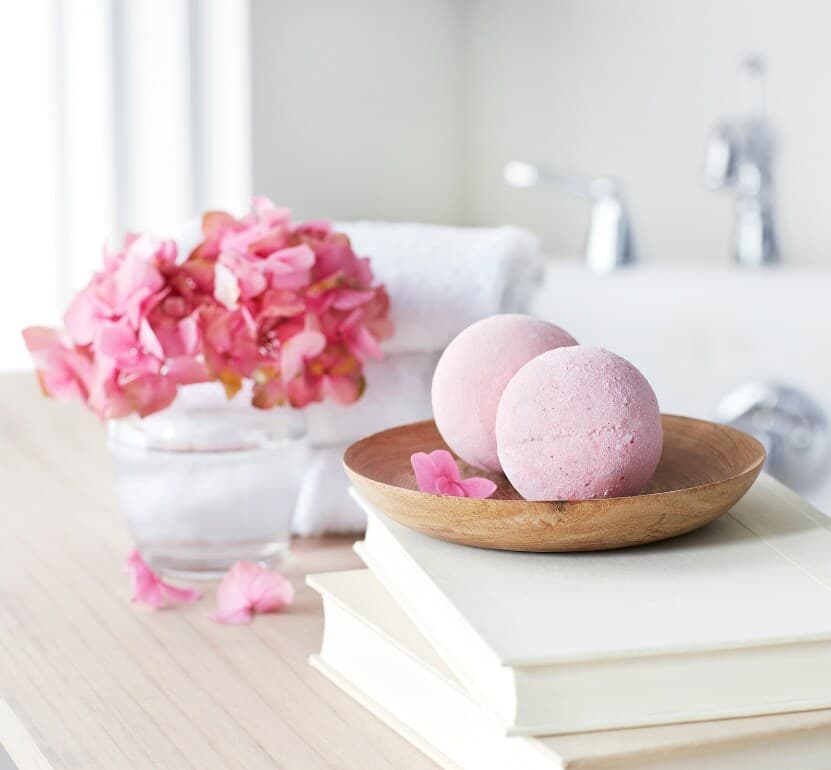
Made Natural guide says toddler bath bombs can ease bath time battles
The right toddler bath bomb can turn a nightly power struggle into play, but Made Natural’s guide says safety depends on gentle ingredients and close supervision.

Bath time stops feeling like a battle when the tub becomes part play, part routine. That is the promise behind Made Natural’s toddler bath bomb guide, which frames fizz, color, and scent as a way to hold a small child’s attention long enough to get through the nightly wash without a fight. The catch is just as important: toddler skin is not adult skin, and a bath bomb that looks bright and fun is not automatically a good fit for a child aged 2 to 5.
What makes a toddler bath bomb different
The guide draws a sharp line between a product made for young children and one borrowed from the adult bath aisle. For most well-made bath bombs, children aged 3 and older can use them safely when the formula relies on natural, skin-safe ingredients. For children under 3, the advice tightens: choose fragrance-free or only lightly scented options and check with a pediatrician before making the bath bomb part of the routine.
That distinction matters because the goal is not just color in the water. A toddler-focused bath bomb should help transform a bath into something curious and calming, while still respecting the fact that young skin is thinner, more permeable, and less developed than adult skin. In other words, the product has to earn trust first and sparkle second.
The ingredient list parents should look for
Made Natural’s guide keeps the formula simple, and that simplicity is the point. The ingredients it highlights are food-grade baking soda, citric acid, cosmetic-grade colorants such as mica, coconut oil, and gentle essential oils like lavender or chamomile. Those are the kinds of components that support the fizz and the fun without turning the bath into a chemistry experiment.
That said, even gentle ingredients deserve a closer look in toddler products. Cleveland Clinic dermatology guidance notes that fragrances and some essential oils can irritate skin, and it recommends fragrance-free products when skin is eczema-prone or reactive. The American Academy of Pediatrics also warns that personal care products can contain chemicals that may affect health, which is why parents are encouraged to choose safer options for children and families whenever they can.
Red flags that matter in the toddler aisle
The easiest way to spot a bath bomb that is too adult-oriented for a little one is to read past the packaging. Bright swirls and playful names do not mean much if the ingredient list leans on synthetic fragrances, glitter, artificial dyes, or harsh preservatives. Made Natural’s guide says to avoid those ingredients, especially for children whose skin may react more quickly or who are likely to splash water near their eyes and faces.
Supervision is not optional either. Toddlers put things in their mouths, and that changes the risk profile immediately. Poison Control says bath bombs are generally safe when used as directed, but accidental swallowing can lead to oral irritation, nausea, vomiting, and diarrhea. For parents, that means the bath should stay within arm’s reach, not across the room.
Why skin sensitivity deserves the caution
The caution is not overblown. Pediatric skin reviews describe infant and young-child skin as thinner, more permeable, and less developed than adult skin, which makes it more vulnerable to irritants and dehydration. The American Academy of Pediatrics also notes that atopic dermatitis affects about 20% to 25% of children, a reminder that skin-barrier issues are common in this age group and often show up early.

That is why a toddler bath bomb should feel gentler than the adult version many people already know. Cleveland Clinic guidance adds another layer here, noting that bath bombs may contain fragrances, dyes, and preservatives that can potentially harm skin. For a child with sensitive skin, a bubble of color is not worth the setback of redness or irritation the next day.
How to judge whether a bath bomb is truly kid-friendly
A parent trying to separate a genuine toddler product from a colorful adult bath bomb dressed up for children can use a few practical checks. First, look for a short ingredient list built around baking soda and citric acid rather than a long lineup of perfumes and dyes. Second, favor products that say exactly how they are meant to be used, including whether they are fragrance-free, lightly scented, or designed for children 3 and up.
It also helps to think about what happens once the bomb hits the water. Made Natural notes that a good bath bomb should dissolve into pH-neutral or only very slightly alkaline bathwater. That matters because a toddler soak should be soothing, not a skin stress test. If the formula leaves the water heavily perfumed or aggressively colored, it is probably better suited to an adult bath ritual than a child’s nightly rinse.
Why color matters, and why it is regulated
Parents often worry most about the colors, and that concern is not misplaced. The U.S. Food and Drug Administration requires color additives used in cosmetics to be permitted under federal color-additive regulations. For bath bomb makers, that means the color story is not just about appearance. It is also about whether the pigments and dyes used in the product are appropriate for a cosmetic item that will sit against skin and dissolve in water.
Cosmetic-grade colorants such as mica fit neatly into the toddler-friendly side of the category because they are designed with that use in mind. Artificial dyes, by contrast, can make a bomb look dramatic without giving parents much confidence about what is actually dissolving into the tub.
A category with real history and real scale
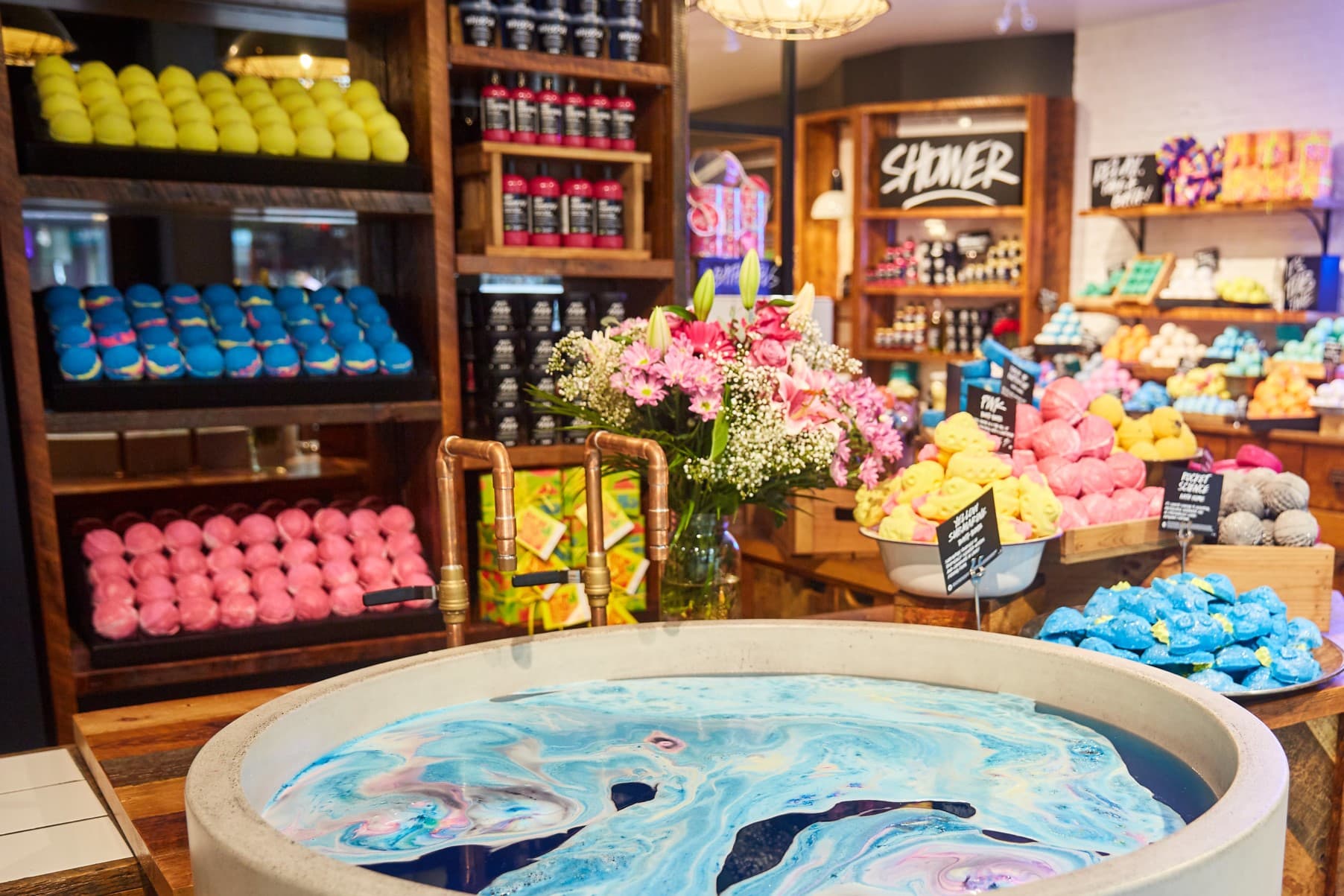
Bath bombs may feel like a modern parenting hack, but the category has a surprisingly specific origin story. Lush Cosmetics says co-founder Mo Constantine invented the first bath bomb in 1989, and the company says it has sold more than 350 million bath bombs globally. Cosmetics Business reported in 2025 that Lush was moving about 1.5 bath bombs per second, or roughly 40 per minute, around the world.
The market behind that kind of volume is large enough to matter. One 2025 estimate placed the global bath bomb market at about $1.38 billion in 2024 and projected growth to $2.49 billion by 2034. That scale helps explain why toddler bath bombs are becoming a product position worth getting right: parents want relief from bath-time resistance, and sellers are looking for a way to meet that demand without cutting corners on safety.
For families, the winning formula is straightforward. The right toddler bath bomb can make the tub feel like a playful little experiment instead of a nightly negotiation, but only if the formula stays gentle, the colors stay cosmetic-safe, and the supervision stays close. That is the difference between a fun bath and a safe one, and it is the part that matters when the tears start before the water is even running.
This article was produced by Prism’s automated news system from verified source data, official records, and press releases, then run through automated quality and moderation checks before publishing. The system is built and supervised by the people who set the standards it runs under. Read our full AI policy.
Know something we missed? Have a correction or additional information?
Submit a Tip