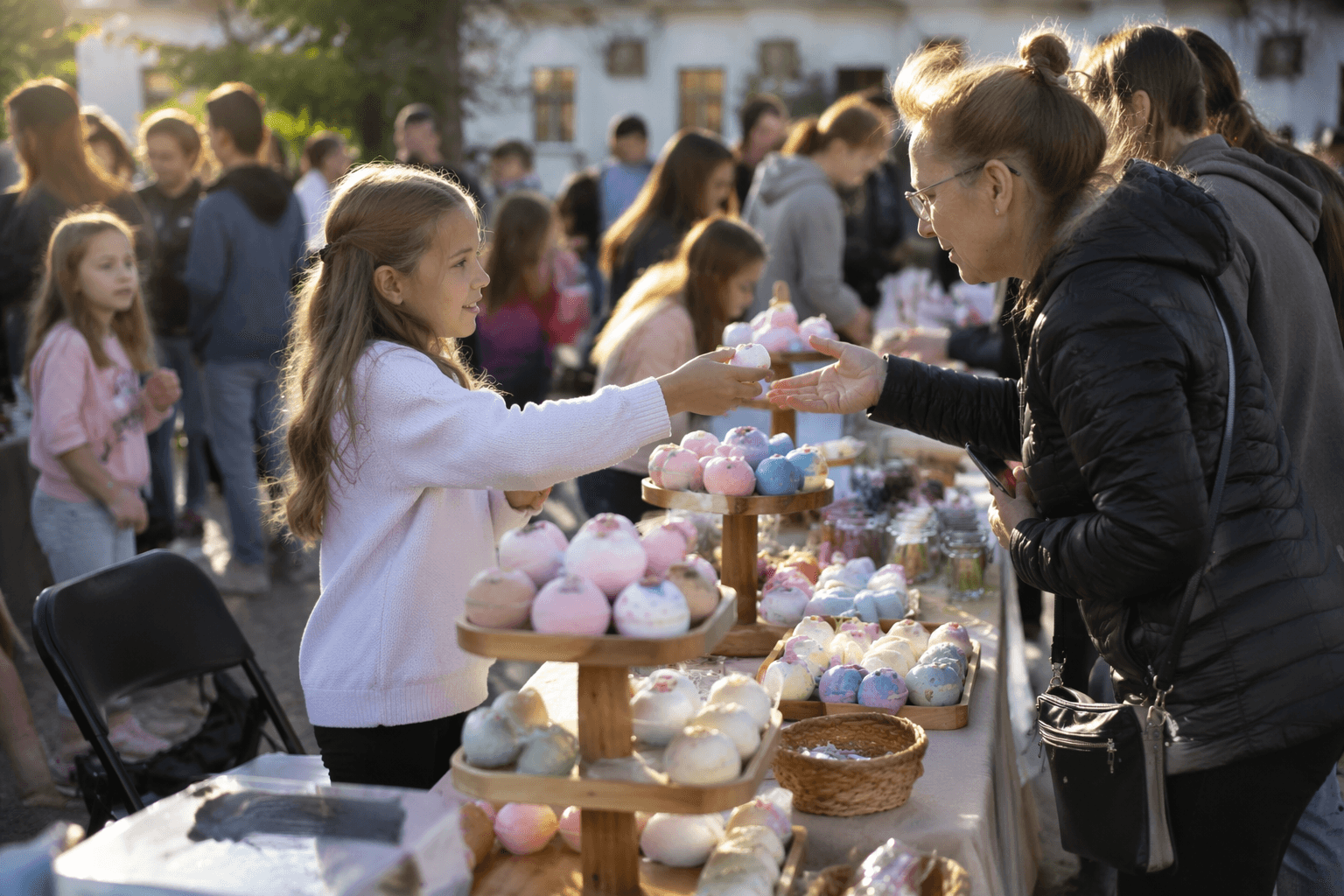
Private-label bath bombs help small brands build wellness businesses
Private-label bath bombs are becoming a fast, low-barrier way for gift shops, spas, subscription boxes, and online sellers to build branded wellness lines.
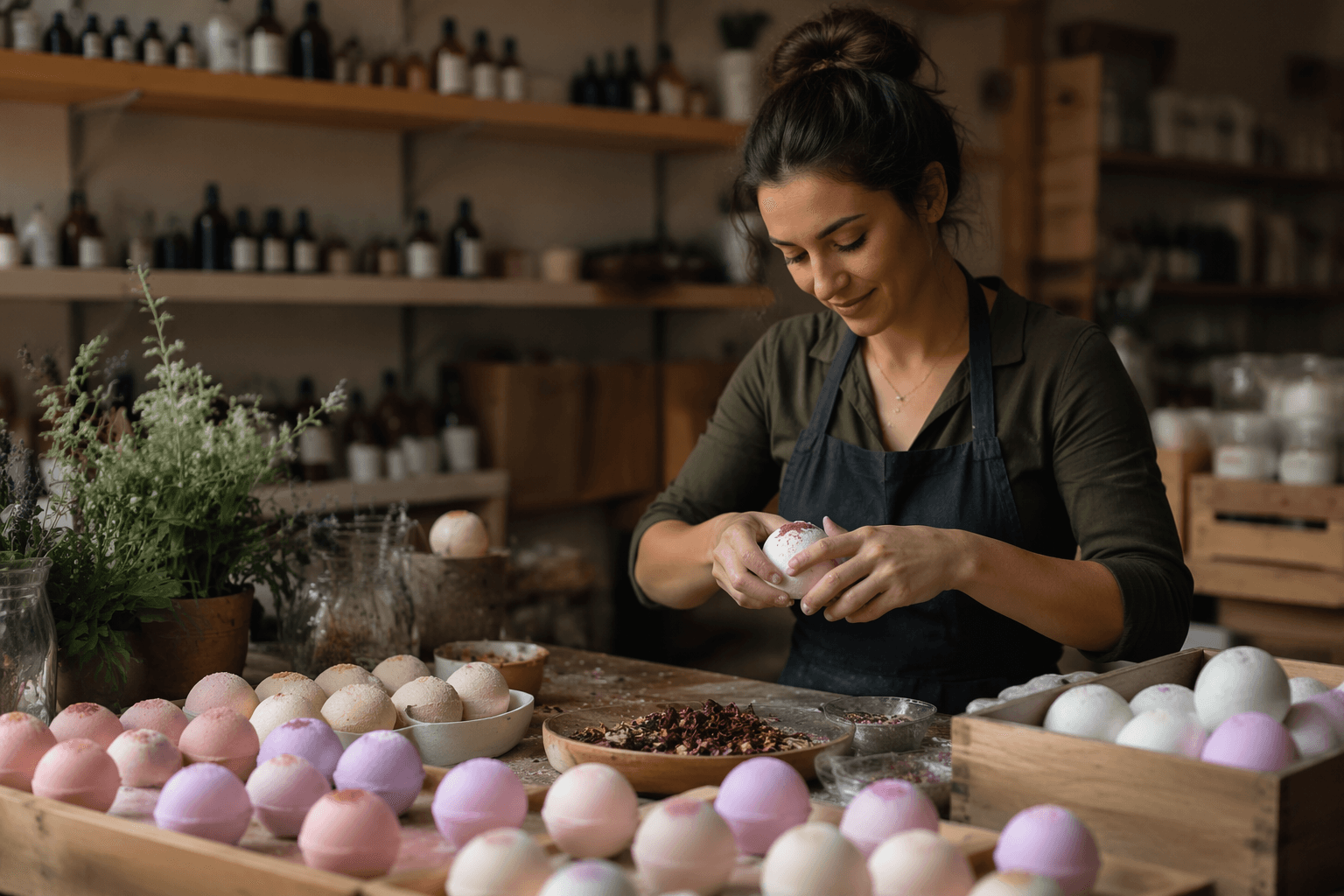
Gift shops, spas, subscription boxes, and online sellers are leaning into private-label bath bombs because they can sell a branded wellness product without building a factory first. The shift is bigger than a single SKU: it lets small operators step into bath and body with a line that feels finished, giftable, and easy to expand.
Why bath bombs are the entry point
The appeal starts with how naturally bath bombs fit the self-care shelf. The guide treats them as part of a wider wellness mix that includes shower steamers, bath salts, candles, and soaps, which makes the category useful for retailers that want a cohesive brand story rather than a one-off product. That matters for small businesses that need items customers can understand quickly, merchandize easily, and buy as gifts.
Bath bombs also carry the kind of visual and sensory appeal that helps a small label look more established than its footprint suggests. Scent, color, and packaging do a lot of heavy lifting here, so a founder can create a distinct identity without inventing a totally new retail concept. For boutique shops, that is a practical advantage: the product feels premium, but the path to launch stays relatively short.
What private label actually changes
Private-label manufacturing shifts the center of gravity from production to branding. Instead of setting up equipment, ingredient sourcing, and compliance systems from scratch, a retailer works with a third-party supplier that can handle formula development, fragrance customization, color selection, packaging solutions, bulk manufacturing, label printing, product testing, and wholesale fulfillment.
That outsourcing changes the economics in a few important ways. It lowers the barrier to entry for smaller businesses, it reduces the need for upfront manufacturing investment, and it can improve consistency in a category where the details matter. A bath bomb has to hold its shape, arrive intact, smell right, look appealing, and perform the same way every time. For a small brand, relying on a supplier for production can make that easier to control than trying to manage every step internally.
The guide also points to operational questions that matter once a retailer commits: ingredient and formulation choices, bath bomb sizing, packaging standards, manufacturing quality, minimum order quantities, and the mistakes brands most often make when they rush to market. Those details are where private label becomes more than a branding shortcut. They determine whether a product line looks polished enough to sit beside candles and soaps, or whether it feels like a stopgap.
Why the business case is getting stronger
The broader store-brand market is giving this strategy even more momentum. The Private Label Manufacturers Association says annual U.S. store-brand sales reached $236.3 billion in 2024, a record high. Another PLMA and Circana summary puts U.S. private label store brands at $271 billion in 2024, with a 20.7% dollar share and 23.1% unit share. Statista also shows the U.S. private-label consumer-goods share rising from 18% in 2019 to close to 21% by 2024.
That backdrop helps explain why bath bombs are being treated as a serious commercial gateway instead of a novelty item. Private-label goods are already gaining ground across consumer categories, and bath bombs fit the same logic: low educational friction, strong visual merchandising, and room for repeat purchase. For a small wellness brand, that combination can turn one bath product into the first step in a larger line.
The market outlook reinforces the point. Grand View Research says the global bath bombs market is expected to reach $2.84 billion by 2030, growing at a 6.5% CAGR from 2024 to 2030. It also projects North America bath bomb revenue at $749.2 million by 2030, with 4.8% CAGR over the same period. The company identifies millennials and Gen Z, along with Instagram and TikTok, as important growth drivers because the product photographs well and fits the at-home spa routine that social platforms keep normalizing.
What brands need to get right
The business opportunity is real, but so is the compliance side. The FDA says cosmetics and ingredients generally do not require premarket approval, except for some color additives, but they still must be safe for consumers under labeled or customary conditions of use. The eCFR rule adds that each ingredient used in a cosmetic product and each finished cosmetic product must be adequately substantiated for safety before marketing.
For private-label bath bombs, that means the launch plan has to cover more than fragrance and packaging. Ingredient disclosure, product safety, and compliant labeling all matter, especially if the product is sold in the United States as a cosmetic. Small brands can move quickly in this category, but speed only helps if the product is built on a supplier relationship that can support testing, documentation, and reliable manufacturing.
Why the category keeps expanding outward
Bath bombs often become the first item in a broader bath-and-body lineup because they are easy to cross-sell into related products. Once a brand has a bath bomb identity in place, it is a short step to shower steamers, bath salts, soaps, or candles that reinforce the same shelf presence and the same customer promise. That clustering effect is part of what makes the category so useful for gift shops, spas, subscription boxes, and online sellers.
That is why private-label bath bombs are showing up as a growth play rather than a craft project. They give small wellness businesses a fast entry point, a branded product customers already understand, and a path into a fuller bath line without the burden of building production from the ground up.
This article was produced by Prism’s automated news system from verified source data, official records, and press releases, then run through automated quality and moderation checks before publishing. The system is built and supervised by the people who set the standards it runs under. Read our full AI policy.
Know something we missed? Have a correction or additional information?
Submit a Tip