17 popular bonsai trees for beginners, and how to choose one
Chinese elm, shimpaku juniper, boxwood and Ficus microcarpa are the safest first buys, while cedar, azalea and serissa can punish mistakes fast.
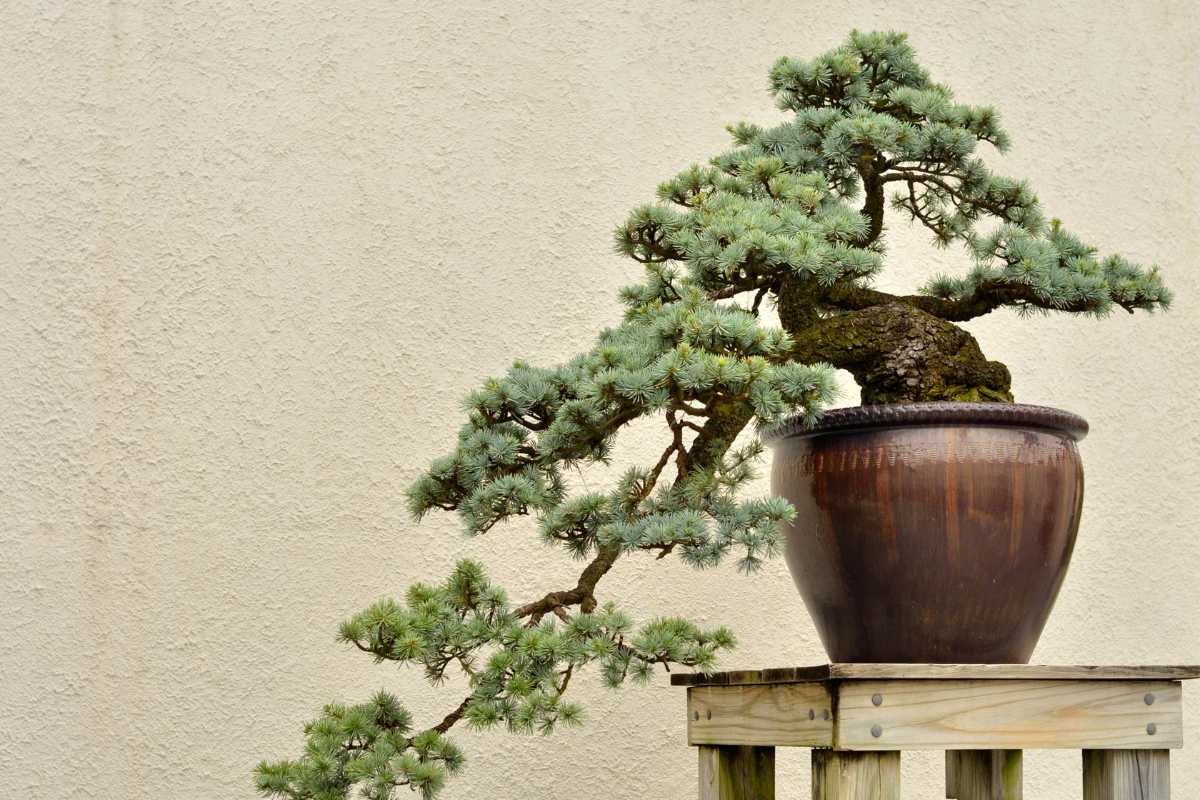
Chinese elm, shimpaku juniper, boxwood, trident maple and Ficus microcarpa are the safest first buys if you are choosing a starter tree. The Royal Horticultural Society calls bonsai “tray cultivation,” and that fits the real decision here: match the tree to your light, climate and watering rhythm.
1. Chinese elm
This is still the benchmark beginner tree for a reason. It grows quickly, tolerates a fair amount of water, can be kept indoors during cold months, and only asks that you stay on top of frequent trimming.
2. Shimpaku juniper
Shimpaku is the classic conifer look many people picture when they think of bonsai. It gives you an evergreen outdoor starter with real styling potential, so it is a smart buy if you want to learn wiring and seasonal outdoor care from day one.
3. Juniper
The broader juniper group remains one of the most common beginner starting points in extension guidance. It is a strong choice when you want an outdoor tree that signals trouble early and rewards consistent sun and moisture management.
4. Pine
Pines belong on any beginner shortlist that is built for patience. University of Arkansas Extension includes pines among common starting points, and they suit growers who want a slower, more traditional tree with long-term structure.
5. Boxwood
Boxwood is another steady starter, especially if you want dense foliage that reads well in a small container. It is one of the species University of Arkansas Extension points beginners toward, and it gives you a practical canvas for basic pruning and silhouette work.
6. Zelkova
Zelkova earns its place because Virginia Tech flags it among the small-leaved or needle-bearing plants well suited to bonsai culture. University of Arkansas Extension also lists it as a common beginner starting point, which makes it a good bridge between easy training and refined deciduous ramification.
7. Trident maple
Trident maple is one of the maples most often used in bonsai, and for good reason. North Carolina State notes its rounded branching form, which helps a newcomer build a convincing miniature tree without fighting the plant’s natural habit.
8. Japanese maple
Japanese maple is a favorite when you want elegance more than brute toughness. It appears in beginner lists from University of Arkansas Extension, but it asks for more careful siting than juniper, so it suits a grower who can pay attention to heat, wind and leaf burn.
9. Elm
The broader elm category matters because elms usually respond well to bonsai culture and develop proportionate leaves. Virginia Tech specifically calls out both maple and elm as species that tend to behave well under bonsai training, which makes elm a useful step once Chinese elm has hooked you.
10. Ficus microcarpa
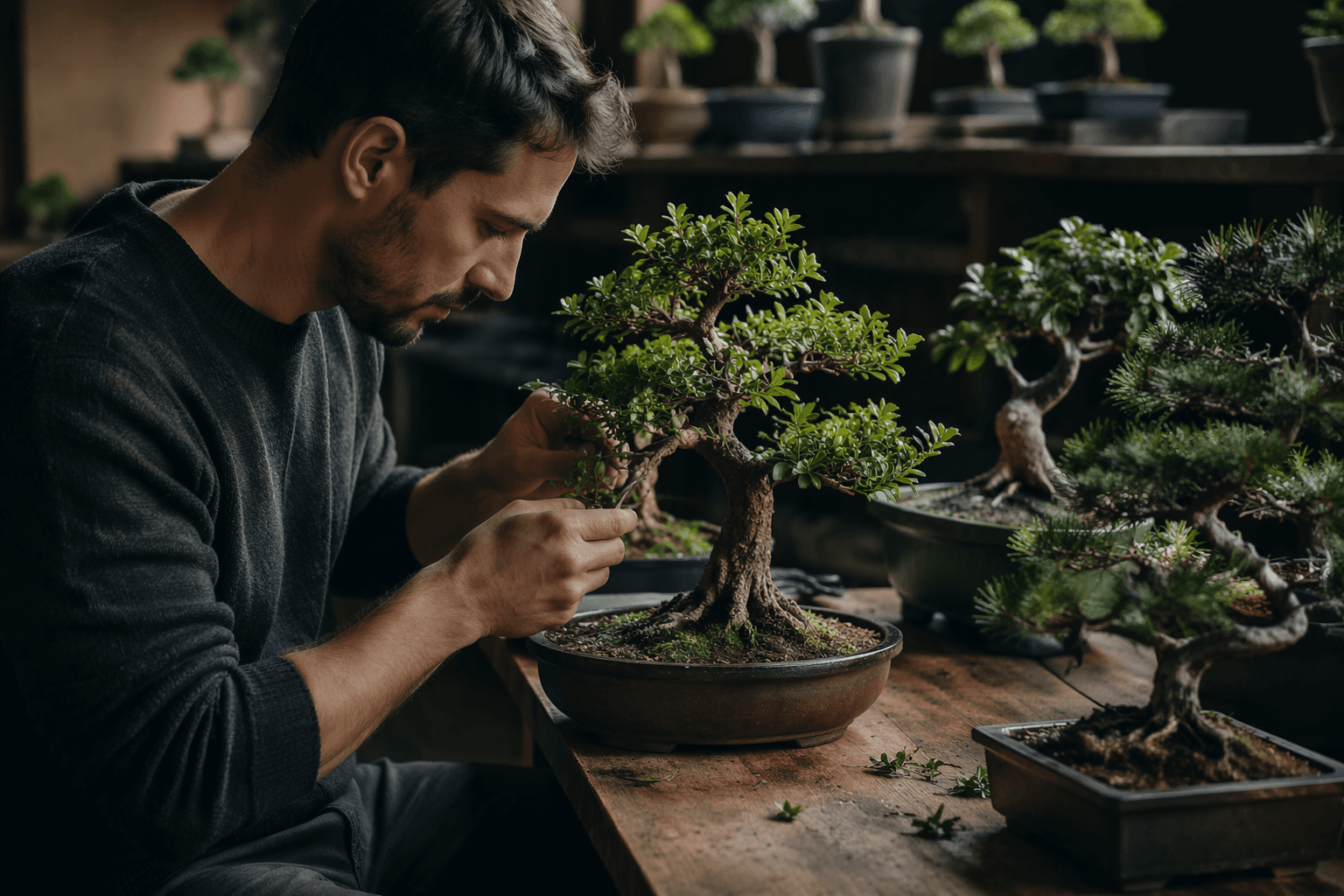
If your bench is indoors, Ficus microcarpa is one of the most practical tropical choices. UC Agriculture and Natural Resources says it is resilient but not drought tolerant, and it still needs frequent grooming and leaf pruning to keep the canopy in scale.
11. Dwarf jade
Dwarf jade is a very different kind of starter, but it has the beginner-friendly advantage of being easy to grow as a succulent bonsai. It fits growers who want a houseplant-style subject with a thick, forgiving body and less drama than many woody trees.
12. Spruce
Spruce belongs on the outdoor side of the beginner conversation. Virginia Tech places spruce among the plants with small leaves or needles appropriate for bonsai, so it works well if you want a classic evergreen silhouette and a cooler-climate feel.
13. Pomegranate
Pomegranate gives you a fruiting subject with real seasonal personality. Virginia Tech includes it among the small-leaf bonsai-suitable plants, which is a strong sign that it can stay proportionate while still looking lively and expressive in a pot.
14. Bougainvillea
Bougainvillea is a good warm-climate option if you have sun and can keep frost away from it. Extension guidance says it wants full sun, moist well-drained soil, and even performs better when left a little dry, which makes it a useful bonsai subject for bright, hot sites.
15. Cedar
Cedar is striking, but it is not a casual first purchase. It wants at least six hours of direct sun, a well-drained slightly dry soil bed, protection from overwatering and strong cold winds, and it can heal slowly after pruning.
16. Azalea
Azalea is beautiful, but it asks more of you than many beginners expect. University of Georgia Extension says special skills and patience are required to develop azaleas into bonsai specimens, so this is a buy for growers who are ready to learn precise aftercare.
17. Serissa
Serissa looks delicate and refined, but the plant can punish sloppy care quickly. North Carolina State tags it as difficult to grow and notes pests like spider mites, scale, woolly aphids and mildew, which makes it a poor first tree unless you already enjoy a challenge.
That is the real starter test: not which tree looks best on the sales bench, but which one fits the light, temperature and watering routine you can actually keep. Choose for fit first, and bonsai becomes a practice you can carry into the next season instead of a reset.
This article was produced by Prism’s automated news system from verified source data, official records, and press releases, then run through automated quality and moderation checks before publishing. The system is built and supervised by the people who set the standards it runs under. Read our full AI policy.
Did this article answer your question?