Ann Arbor Japan Week spotlights bonsai garden and family activities
Ann Arbor Japan Week turns the Melvyn C. Goldstein Bonsai Garden into a free, family-friendly stop with self-guided activities and extended visiting hours.

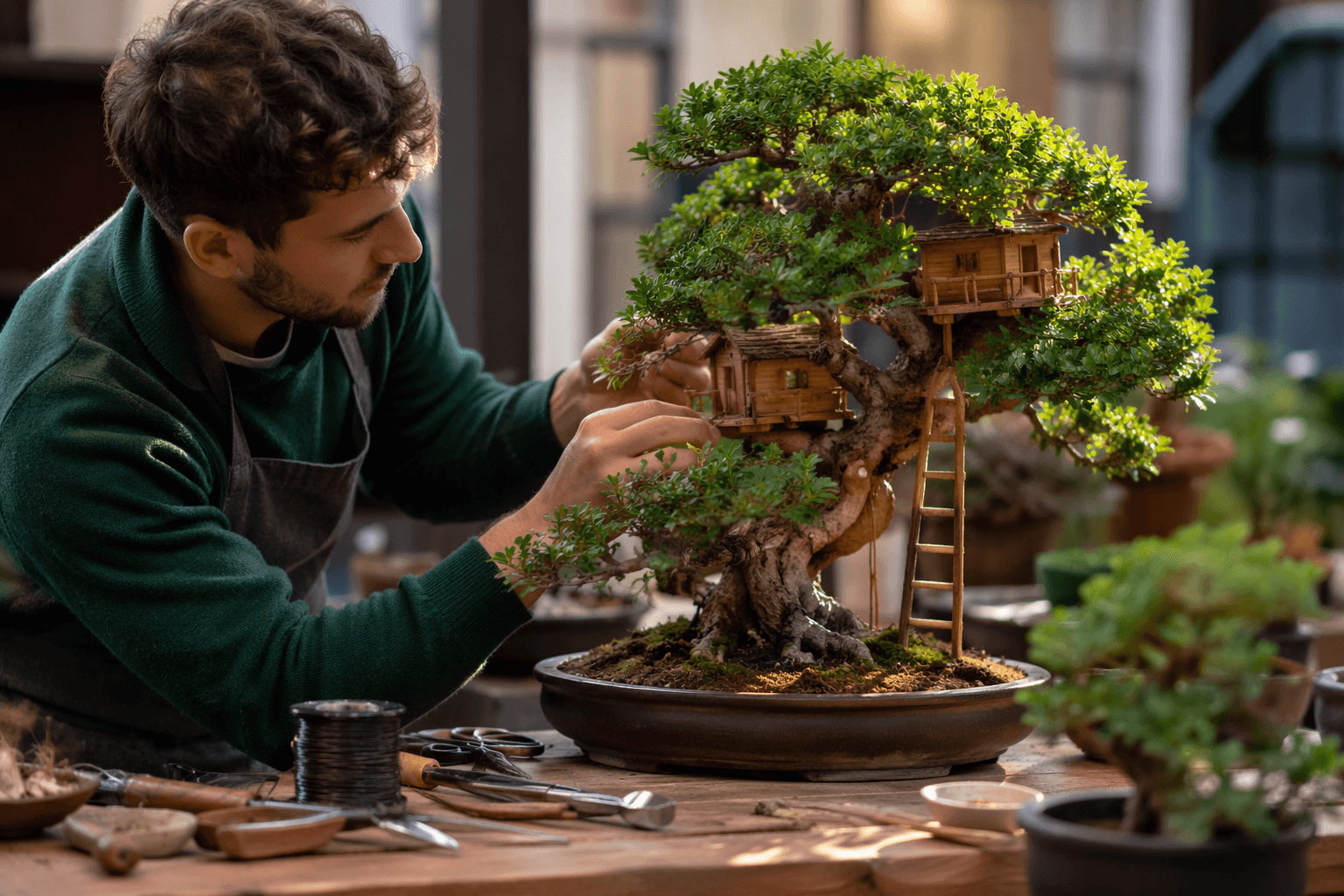
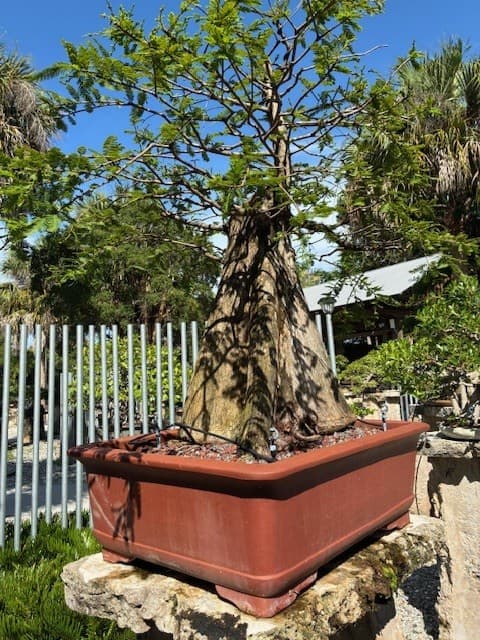
The Melvyn C. Goldstein Bonsai Garden at Matthaei Botanical Gardens becomes one of the clearest reasons to build a Japan Week visit around Ann Arbor. The 12th annual Ann Arbor Japan Week runs June 14 through June 20 and pairs free, Japan-themed events with a bonsai experience that is open to visitors of all ages.
A bonsai stop built for families and first-time visitors
This is not framed as a collector-only outing. Visitors are encouraged to stop at the Visitor Center for self-guided activity sheets before heading into the garden, a detail that gives the visit a hands-on, family-friendly feel right from the start. That approach matters in bonsai, where the right introduction can turn a quick look into a real learning moment, especially for younger guests who benefit from something to observe and carry along.
The setup also broadens the audience beyond long-time bonsai fans. With free, Japan-themed activities running throughout the week, the garden becomes part of a larger public program rather than a stand-alone display. That makes the bonsai collection feel accessible, welcoming, and easy to fold into a day spent exploring Japanese arts and culture.
Where bonsai fits in Japan Week
Ann Arbor Japan Week is presented in partnership with Matthaei Botanical Gardens and Nichols Arboretum, which gives the event a clear campus-wide public identity. The bonsai garden sits inside that wider collaboration, linking horticulture with language, arts, education, and cultural programming across the week.

That bigger frame is important because it gives bonsai a place within a community celebration rather than treating it as a niche specialty. For readers who follow the art closely, it is a reminder that bonsai still works best when it is shown in context: as part of a living cultural tradition, not just as a row of trees on display.
What the garden visit offers
The event page places bonsai in a deep historical and cultural context, noting that the art has more than 2,000 years of continuous development. It also describes bonsai trees as storytellers about themselves, their artists, and the viewers who imagine them. That is a strong institutional way of presenting the garden, because it treats each tree as both a horticultural object and a piece of cultural expression.
That framing is exactly what makes a visit worthwhile even for repeat guests. You are not only looking at trained trees, but also at a collection that is meant to be read, interpreted, and discussed. For a family stop, that can mean simple questions about shape, scale, age, and movement. For a dedicated bonsai eye, it means a chance to think about how design, restraint, and character are being communicated in living wood.
Hours make it easy to plan around the week
The garden’s open hours give visitors multiple chances to fit the stop into their week. On Sunday, the bonsai garden is open from 10 a.m. to 4:30 p.m. Monday through Saturday, it is open from 10 a.m. to 8 p.m.
Those hours make the event especially flexible for people mixing the garden with other Japan Week activities. A daytime visit works well for families using the self-guided sheets and moving at a slower pace. An evening stop gives more room for a later outing during the work week, with enough time to browse the garden without rushing through it.
Why this one travels well with bonsai readers
The strongest part of this event is how naturally it connects public access, education, and cultural context. It does not ask visitors to already know the vocabulary of bonsai. Instead, it sets up the experience through the Visitor Center materials, the extended garden hours, and the broader Japan Week programming around it.
That combination is what makes the garden feel like a destination, not a side note. With free events, a family-friendly entry point, and a bonsai collection presented as part of a centuries-old art, Ann Arbor Japan Week turns Matthaei Botanical Gardens into a must-visit stop during June 14 through June 20.
This article was produced by Prism’s automated news system from verified source data, official records, and press releases, then run through automated quality and moderation checks before publishing. The system is built and supervised by the people who set the standards it runs under. Read our full AI policy.
Did this article answer your question?