Arnold Arboretum bonsai collection returns, revealing centuries-old living treasures
After winter in dark, 33 to 36 degree storage, the Arboretum’s 67 bonsai returned outside, including a tree dating to 1737.
The Arnold Arboretum’s bonsai did not vanish for winter by accident. They went into cold storage because these are temperate trees that need a real dormancy cycle, not a warm indoor window ledge, and their return outdoors marked the point when horticulture hands the collection back to the public.
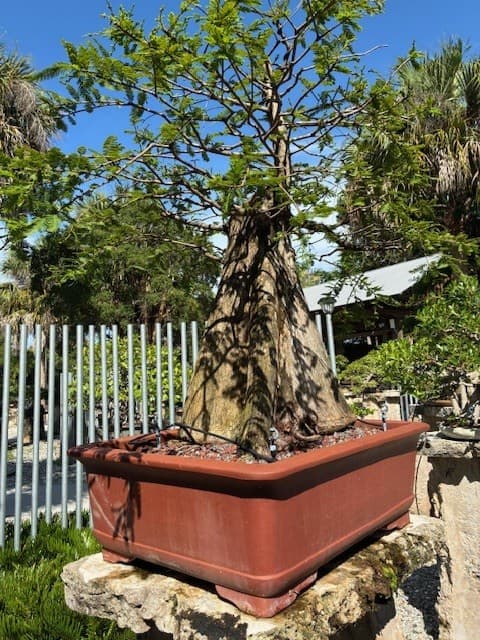
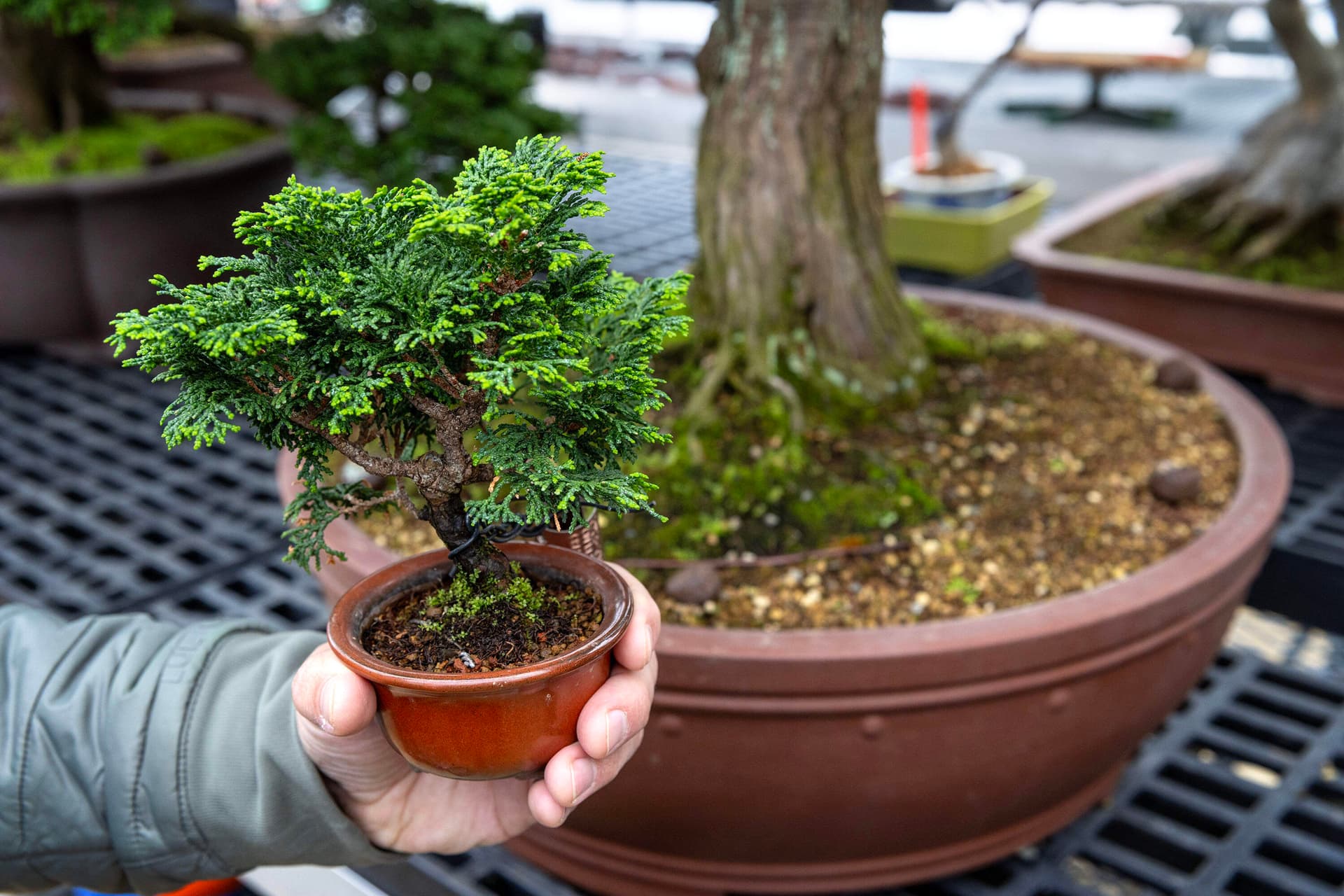
By April 23, the Arboretum had brought its 67 bonsai and penjing specimens back into view, with the oldest tree in the group dating to 1737 and five compact hinoki cypress specimens estimated at 150 to 275 years old. Chris Copeland, the bonsai curator and plant-production manager, has said the goal is not just to keep the trees alive, but to keep them as sculptures that are also healthy and happy, as if they were still growing in the landscape. That balance is what makes the annual reappearance matter: every spring reveal shows whether the winter work held.
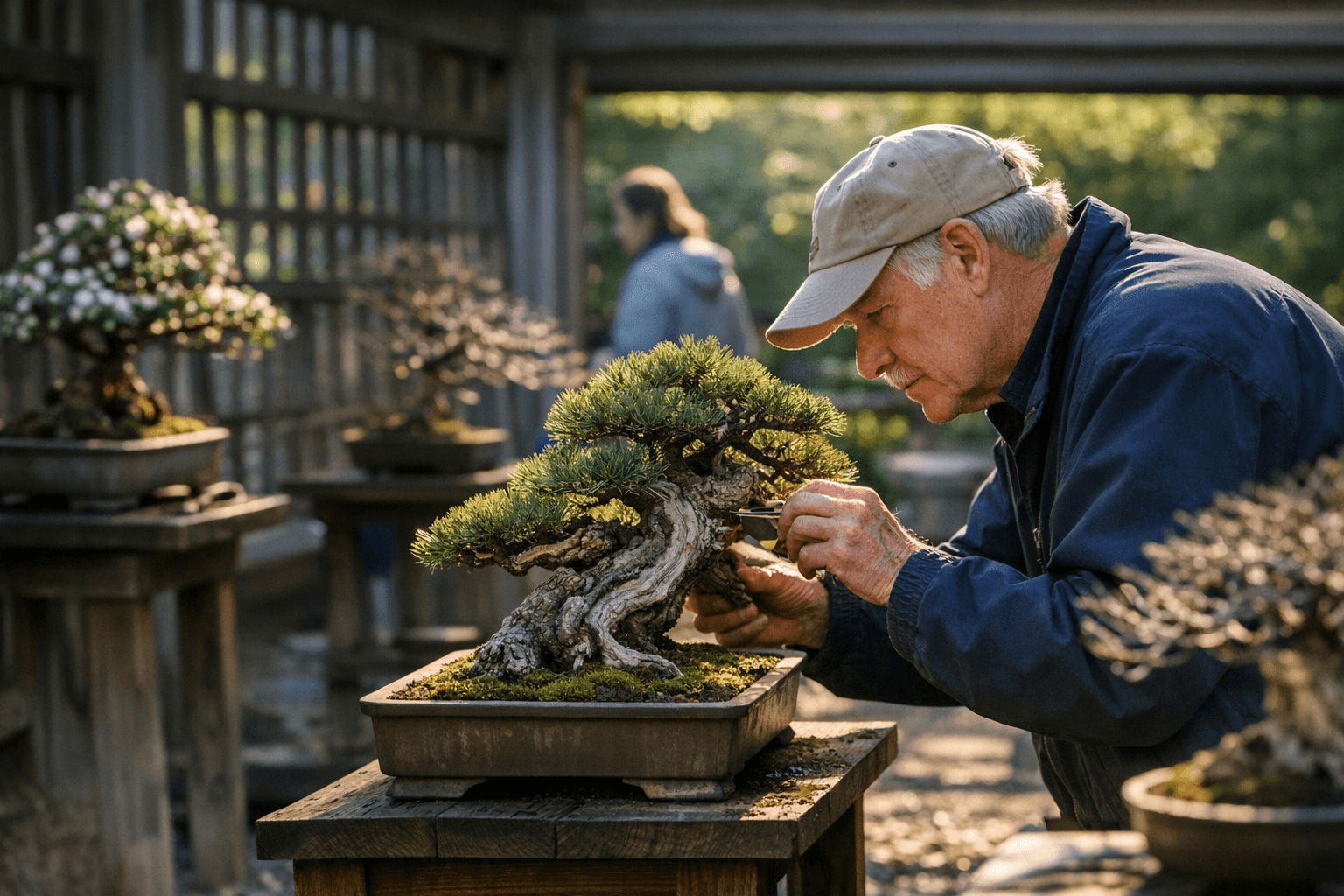
The modern collection traces back to the Larz Anderson Collection of Japanese Dwarfed Trees, which Larz Anderson imported to the United States in 1913 after serving as ambassador to Japan. Isabel Anderson donated the majority of it in April 1937, and the rest came after her death in 1949. What now sits at the Arnold Arboretum of Harvard University is a living archive, layered with age, handling and species-specific judgment. The return to outdoor display also restores one of Boston’s quiet seasonal markers, a signal that the trees have survived the cold and are ready to enter their next round of growth.
That winter passage is exacting. The Arboretum stores the trees indoors in darkness at 33 to 36 degrees Fahrenheit, checks them for water once a week, and only moves them in and out when they are fully dormant and not yet showing growth. In ordinary years, they go into cold storage on Veterans Day, November 11, and come back out on Patriots Day, April 19, though this year’s cold conditions delayed the outdoor move. The building keeps them sheltered from harsh winds and snow, and even refrigerates them during unseasonably warm winter days.
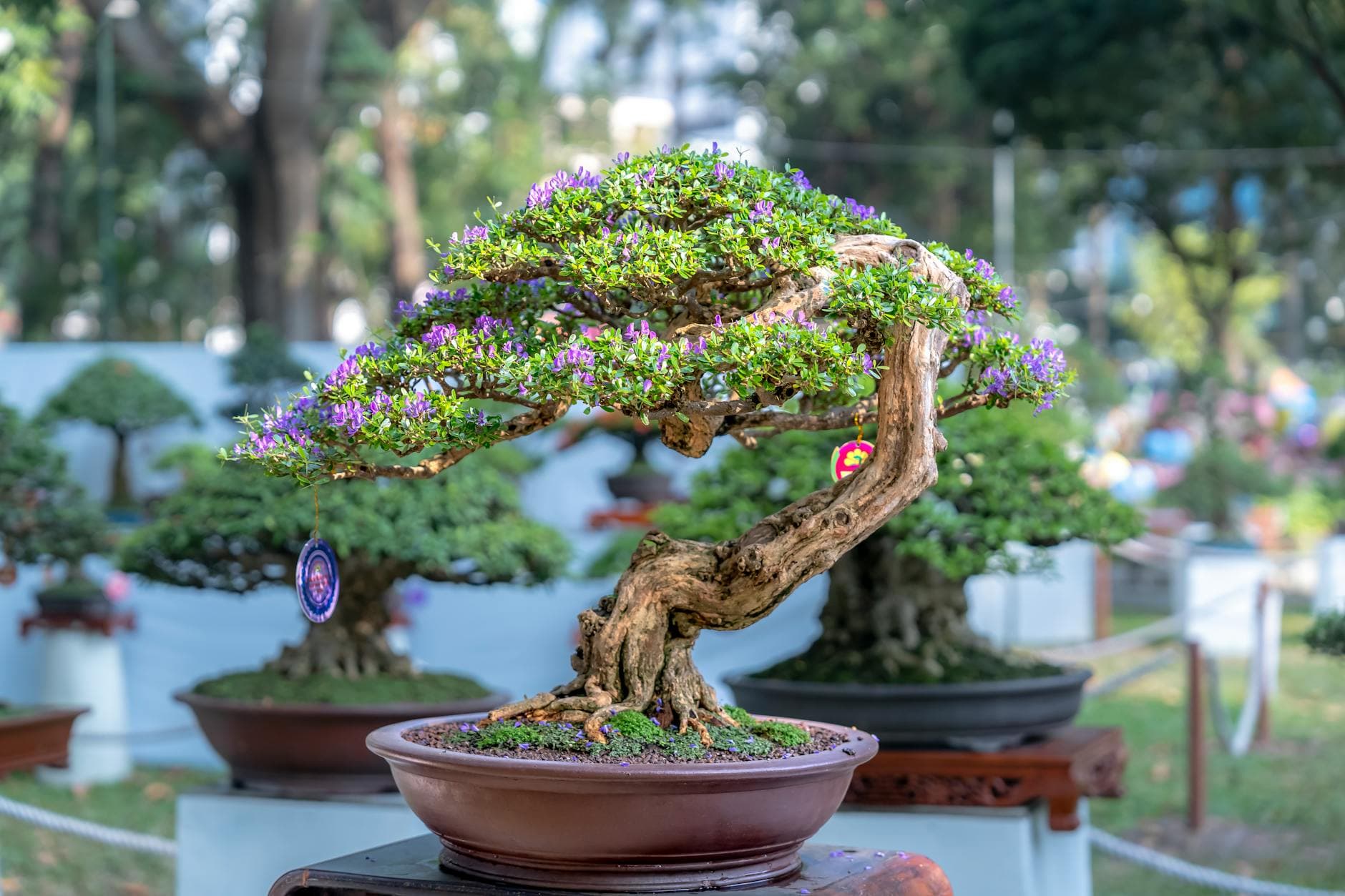
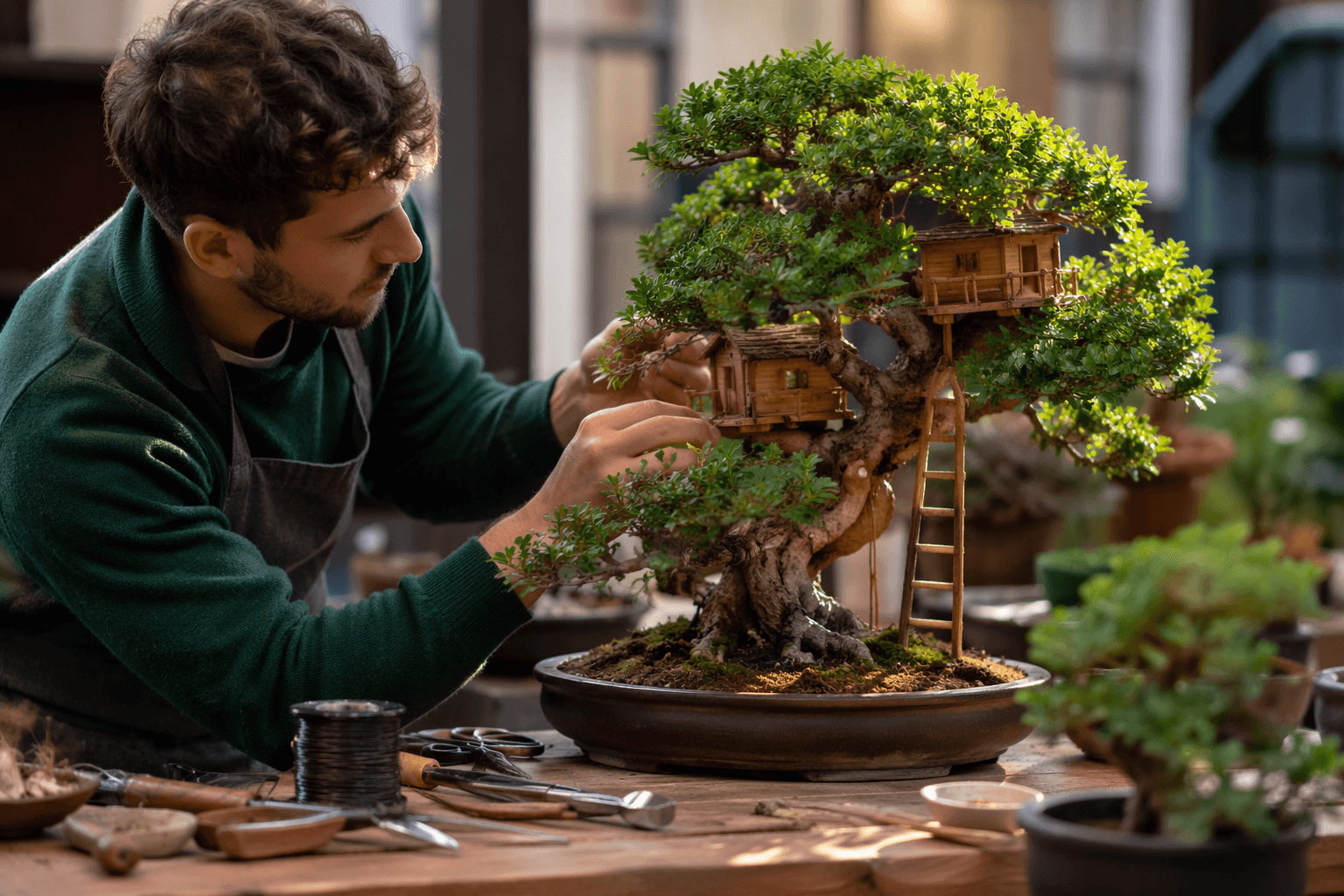
Winter is also when the most delicate shaping continues. Jun Imabayashi trims branches and binds sculpting wire around the trees to preserve form and sharpen refinement, while repotting waits for early spring before growth begins. Large hinoki cypresses are repotted every four to five years, smaller plants every two to three years, and pruning can remove at least 50 percent of new growth depending on species and season. The collection will stay on view through the season, with volunteer interpreters at the Bonsai and Penjing Pavilion on select Thursdays and Sundays from May through October, turning the display into a public benchmark for what careful winter rest can produce by spring.
This article was produced by Prism’s automated news system from verified source data, official records, and press releases, then run through automated quality and moderation checks before publishing. The system is built and supervised by the people who set the standards it runs under. Read our full AI policy.
Did this article answer your question?