Bonsai clubs spotlight Lingnan style, clip-and-grow philosophy
Lingnan bonsai turns every chop into design, using clip-and-grow to build taper, movement, and natural form over years.
Lingnan as a working philosophy
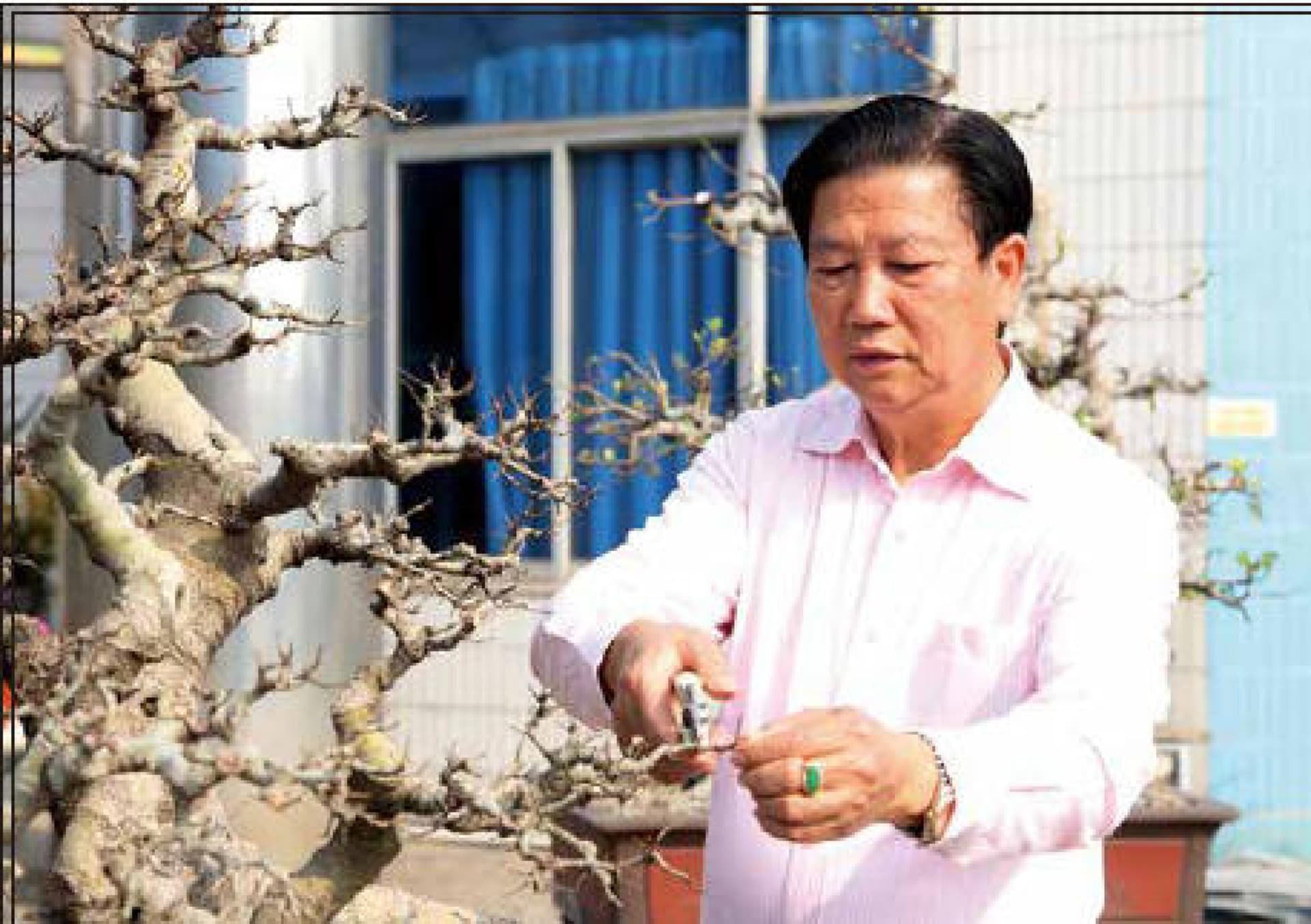
Lingnan bonsai matters because it is not just a regional label, it is a design logic. Bonsai Clubs International frames the style as a break from binding and shaping, one that uses clip-and-grow to open up a wide range of finishes, from robust and vigorous to airy, elegant, and naturally wild. In the broader bonsai sense, that fits the core goal of the art itself: making a convincing illusion of age and natural grandeur in miniature, with pruning doing the heavy lifting on shape, size, and energy flow.
A lineage rooted in Guangzhou, but not frozen in time
The style’s modern identity took shape in the 1930s, when artists in Guangdong moved beyond stricter binding-and-shaping methods. Even so, the cultural line runs much deeper, with the HKBU leaflet describing penjing as an art that can be traced back to the Jin and Tang dynasties, and noting that Guangdong artists used the grow-and-clip method in the late Qing and early Republic period. That is the key point for any club room demo: Lingnan is not a novelty style, it is a regional language of penjing that grew from Guangzhou and stayed connected to the wider Cantonese cultural world.
How clip-and-grow actually builds movement and taper
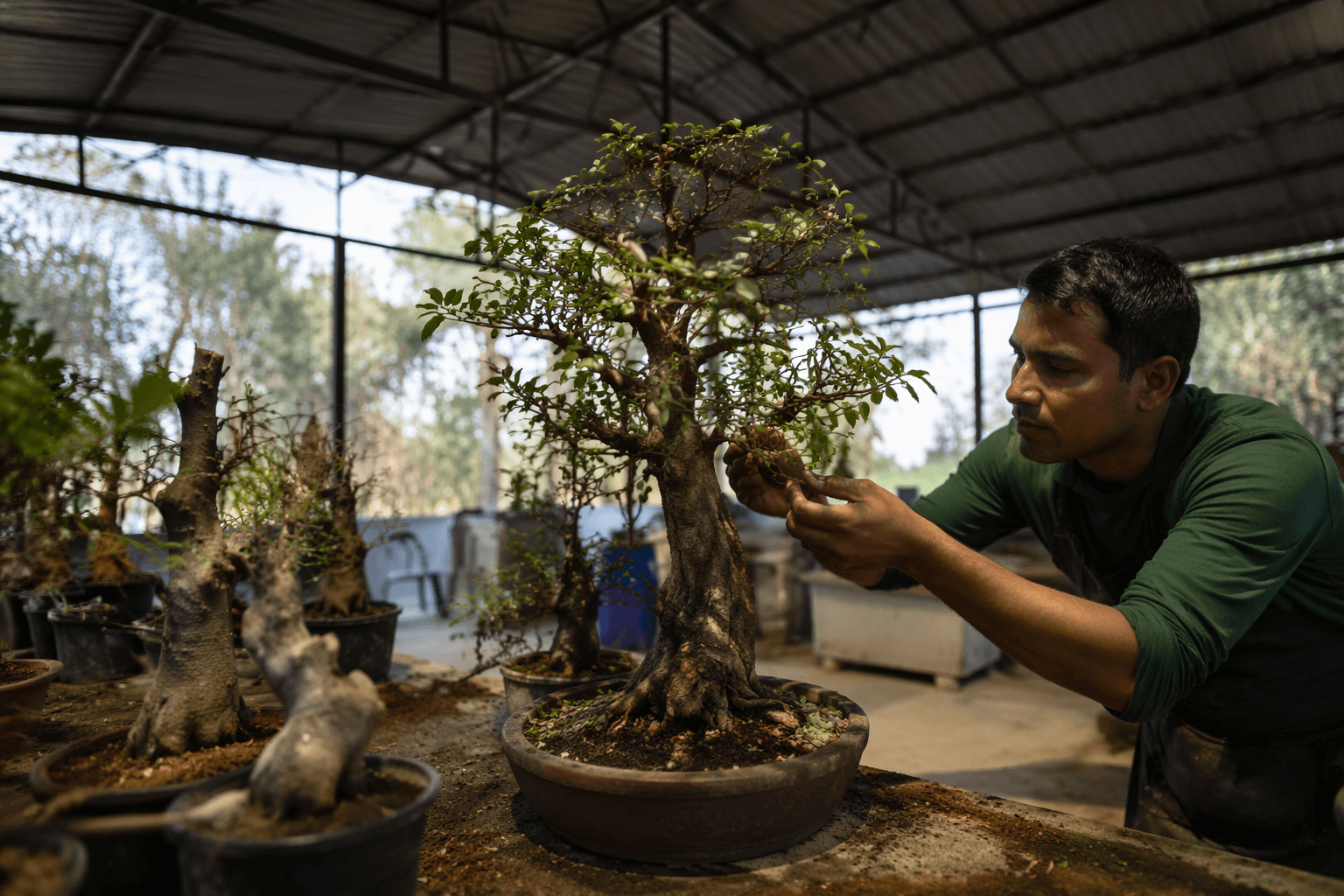
Clip-and-grow is deliberate, not casual. BCI describes it as a two-phase process: first, imagine the mature tree and make an initial trunk chop that establishes the future line, then let growth run, make later chops over the years, and keep selecting stronger buds to carry the trunk upward while other buds become branch bases. That means the position and length of the first cut are not just styling choices, they are the blueprint for the whole tree.

That is where Lingnan separates itself from the wire-led approach most growers associate with Japanese bonsai practice. Wire still has a place in bonsai, and BCI identifies it as the primary tool for bending and positioning branches, creating movement, lowering pads, and building three-dimensional structure. Lingnan, by contrast, lets repeated cuts and regrowth generate the line, so the trunk thickens, tapers, and turns with a more organic rhythm instead of being set first by metal.
What the finished tree is supposed to look like
The finished image is bigger than one silhouette. BCI says Lingnan can finish in forms that feel strong, simple, graceful, airy, or naturally wild, and the style’s nature-first philosophy is meant to capture and condense landscape feeling into a miniature tree. For club members, that is the real lesson: the tree should read like a piece of scenery, not a plant forced into a preset pose. The movement comes from growth decisions over time, and the final composition should still feel as if it could exist in the wild, only compressed into a tray.
Which trees respond best to the method
The plant palette matters just as much as the philosophy. The HKBU collection at Man Lung Garden lists Lingnan-style works made from Chinese elm, common jasmine orange, black pine, Chinese banyan, Chinese hackberry, cascade plant, yew podocarp, Fukien tea, and snow rose, which shows how broad the style can be when the material is willing to push new growth after cutting. Chinese elm stands out as especially practical because North Carolina State Extension describes it as tough, adaptable, fast-growing, and already used in bonsai.
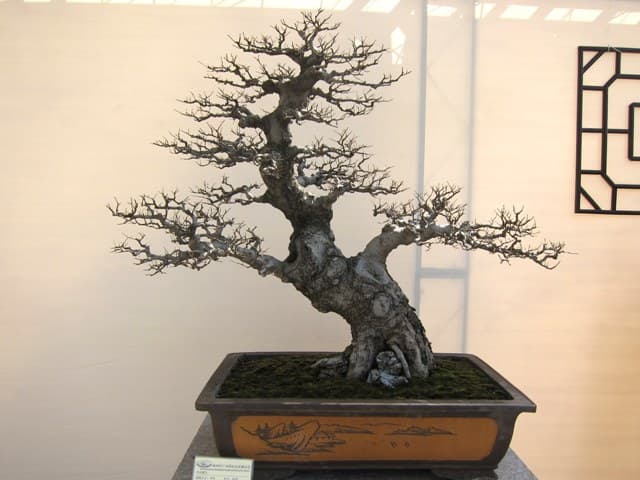
The growth habit that fits Lingnan best is easy to spot: strong, reliable bud break after hard pruning, quick recovery, and enough vigor to replace chopped leaders with fresh shoots. In practice, that makes fast-growing material and finer-leaved subtropical or tropical species especially useful, because the style depends on repeated regrowth and on building branch bases from the tree’s own response to cuts. If a tree sulks after a chop, it fights the method; if it rebounds hard, it gives the style the raw material it needs.
Why clubs keep putting Lingnan in the spotlight
That mix of technique and cultural identity is exactly why Lingnan keeps showing up in club programs and city promotions. Guangzhou reporting says Lingnan bonsai has been included on Guangdong’s intangible cultural heritage item list and that the art is being exported internationally, while another official Guangzhou report described a group of 26 students and teachers from Frankfurt am Main experiencing Lingnan bonsai at Liuhua Lake Park on October 17, 2025. In other words, this is not only a local tradition being preserved, it is a living teaching model that travels well because the method is visible, repeatable, and easy to explain in front of a bench.
That is the practical power of Lingnan. It teaches you to think in chops, not shortcuts, and to build taper, movement, and naturalness from the tree’s own response instead of forcing the shape first and hoping the plant agrees later. For bonsai clubs, that makes Lingnan more than a regional badge, it makes it a reminder that every future branch begins with the cut that sets the line.
This article was produced by Prism’s automated news system from verified source data, official records, and press releases, then run through automated quality and moderation checks before publishing. The system is built and supervised by the people who set the standards it runs under. Read our full AI policy.
Know something we missed? Have a correction or additional information?
Submit a Tip