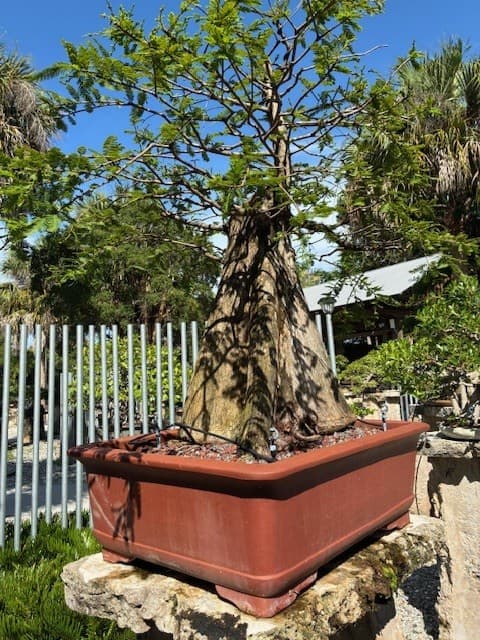
Bonsai Empire course teaches deciduous bonsai from structure to ramification
Bonsai Empire’s deciduous course goes straight to the work serious growers need: structure, ramification, and timing across the tree’s main stages. Three veteran teachers make the digital format unusually practical.
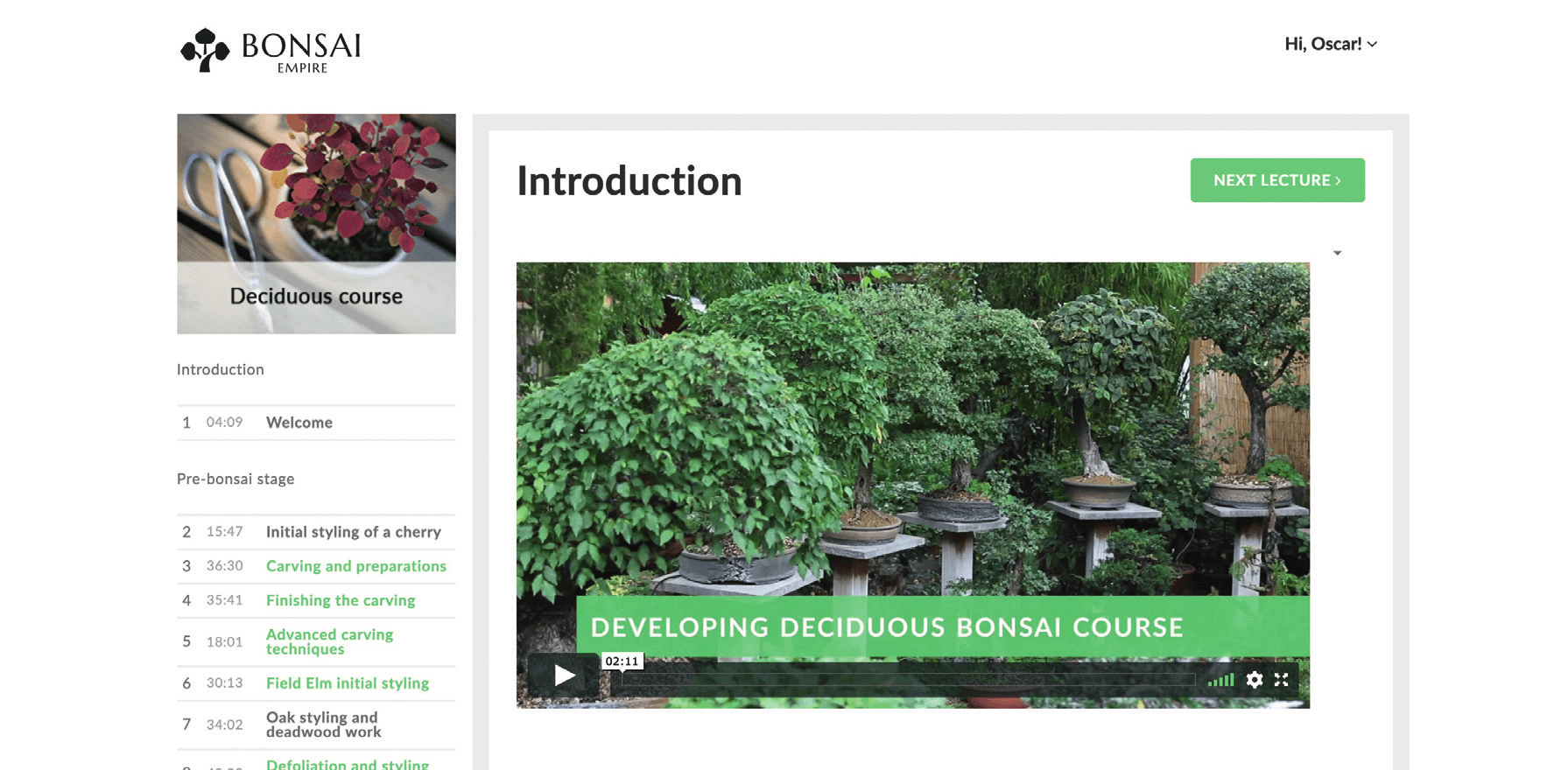
Developing Deciduous Bonsai runs 26 lectures across about 10 hours of video tutorials and is currently priced at $79.99. It stays focused on deciduous and broadleaf evergreen species, and it treats seasonal development as the real subject, not just styling for the camera. The result is a course that speaks directly to the decisions that shape a tree over years: when to build structure, when to push ramification, and when to hold back.
A course built around development, not decoration
The strongest part of the program is its developmental framing. The lessons show how goals and techniques change across the main stages of deciduous bonsai, which is exactly where many tree plans go wrong. Early branching, structural branch selection, apex building, and refinement all demand different timing, and the course makes that sequence the center of gravity.
Deciduous work is not a single technique repeated from start to finish. The course covers branch structure, ramification, carving, deciduous apex design, yamadori collection, wiring, and rock plantings, so the student is not locked into one narrow topic. It gives the kind of breadth that helps when a tree needs a first wiring session, a hard structural cut, or a refinement pass after defoliation.
The species focus also keeps the material grounded. Prunus, Ulmus, Quercus, Carpinus, and Acer are among the genera used in the course, which immediately tells you the instruction is aimed at trees that change dramatically through the seasons. Leafing, dormancy, and flush timing matter as much as branch placement.
Who teaches it and why the mix works
The course leans on three names that many bonsai students already know well: Harry Harrington, Mauro Stemberger, and Walter Pall. That combination gives the lessons a useful range of sensibilities rather than a single house style. Harrington brings the most visibly step-by-step structural work, Stemberger adds development planning alongside styling, and Pall pushes the ramification side with a method that is often discussed but not always shown in depth.
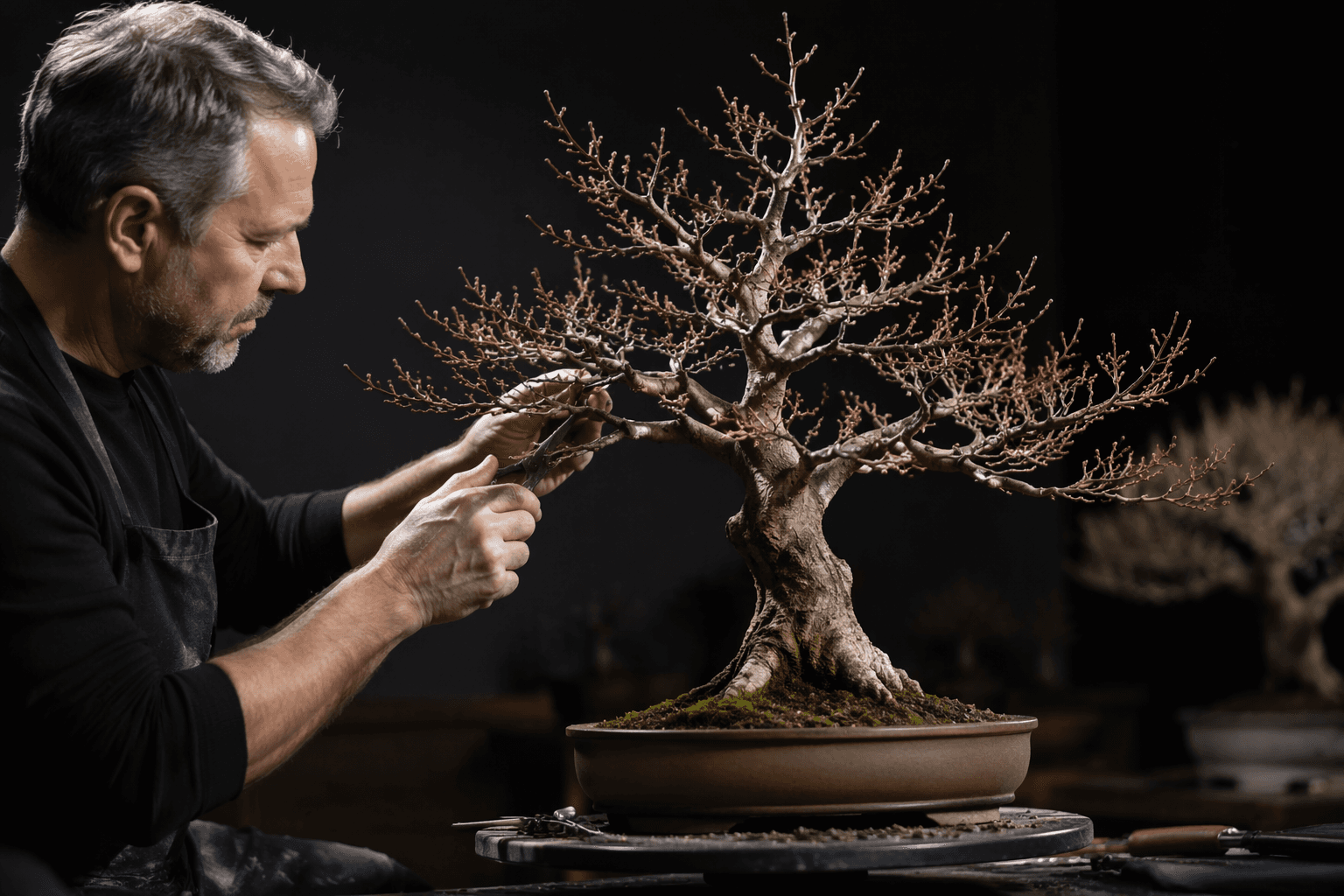
Harrington’s section is especially valuable for growers who need to understand how a tree is built up from rough material. He is shown working on field elm carving in stages, moving from preparation to finishing and initial styling, with the aim of achieving a natural-looking result rather than an overworked one.
Stemberger’s demonstrations, built around cherry and oak, widen that picture. His material combines deadwood, defoliation, development planning, styling, and branch selection, which is exactly the sort of mix serious deciduous work demands.
Pall’s segment gives the course a different kind of value. His hedge-pruning lesson is framed as a ramification technique, controversial in name but highly effective in practice for generating fine branching and managing large collections. Pall explains the timing and theory in detail and uses the method across a very large number of trees, which makes it read less like a trick and more like a production system.
What the format delivers for the money
That puts it in the intermediate part of the platform’s lineup, where the expectation is no longer basic repotting or first wiring but deeper development judgment. For a course at that price, the value lies in seeing major decisions made in sequence, not just in hearing theory abstractly described.
The course is also broader than a pure exhibition masterclass. It includes trees in both high-end and lower price ranges, so the material is not limited to finished trophy specimens. That makes it more useful for day-to-day growers, because the lessons are not restricted to perfect trees that only show one stage of the process. You see the decisions that turn ordinary material into something better over time.

That practical range also helps with timeline planning. Deciduous bonsai often fail when the owner rushes from trunk work to refinement too quickly, or keeps trying to ramify a branch line that still needs structural correction. The mix of carving, apex design, wiring, and follow-up editing gives the student a better sense of what belongs in each phase.
Digital teaching that still asks for real trees
Bonsai Empire’s wider course platform gives this release another layer of context. Bonsai Empire offers more than 15 courses and over 250 lectures across beginner to advanced topics, so Developing Deciduous Bonsai sits inside a larger system built for self-paced study.
Harry Harrington’s own background shows how that kind of online education took root. Bonsai4Me launched in October 2001, and Harrington was born in Oxford in 1970 and now lives near Aylesbury after two decades in and around Manchester. Mauro Stemberger was born in 1978 in Feltre, Italy, and Walter Pall’s demos emphasize detailed explanation of the development process.
Bonsai Clubs International gives the broader educational frame its own weight. Founded in 1960, the organization’s mission is global education and community in bonsai, and this kind of course fits neatly into that tradition. The difference now is scale: a student can study branch structure, ramification, and seasonal timing from home, then carry those ideas straight to the bench.
This article was produced by Prism’s automated news system from verified source data, official records, and press releases, then run through automated quality and moderation checks before publishing. The system is built and supervised by the people who set the standards it runs under. Read our full AI policy.
Did this article answer your question?