Bonsai talk links native plants, conservation and genetic diversity
Gale Childers turned a Houston bonsai meeting into a conservation pitch, tying native plant genetics to the way growers choose and preserve material.
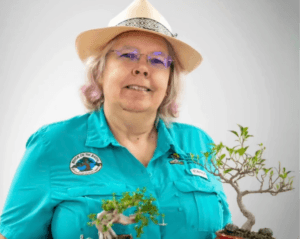
Bonsai took on a conservation edge at Gardeners by the Bay on June 18, where Gale Childers used “Why Bonsai? Why Not?” to argue that the art is about more than form and foliage. The Houston Chapter meeting ran from 7 p.m. to 9 p.m., with refreshments starting at 6:30 p.m. and a Zoom option that widened the reach beyond the room in Texas.
Childers, the treasurer of the Houston Bonsai Society and a practicing bonsai artist for 10 years, focused the talk on how bonsai can promote conservation and genetic diversity within native plant populations. That frame gives collectors a different lens on the hobby: not just how a tree is styled, but where the material comes from, how local adaptation is preserved, and why plant lines tied to a region deserve care. For growers working with native stock, the message was practical as much as philosophical.

The setting fit the topic. Gardeners by the Bay says its mission includes teaching gardening on the upper Texas Gulf Coast, with emphasis on recycling, up-cycling and environmental conservation. A bonsai program built around native plants, then, sat squarely inside the organization’s broader public-garden identity rather than feeling like a stand-alone club demo.
The conservation angle also connected to larger plant-protection work. The USDA Forest Service says protecting plant genetic resources is an important mission, and that maintaining local adaptation and genetic diversity in native species has long been a foundation of reforestation and nursery practice. Its Reforestation, Nurseries, and Genetic Resources program says nearly 1,200 native-plant nurseries nationwide produce material for restoration, reforestation and conservation uses. In that context, bonsai becomes part of the same conversation about how plant material is selected, propagated and kept in circulation.
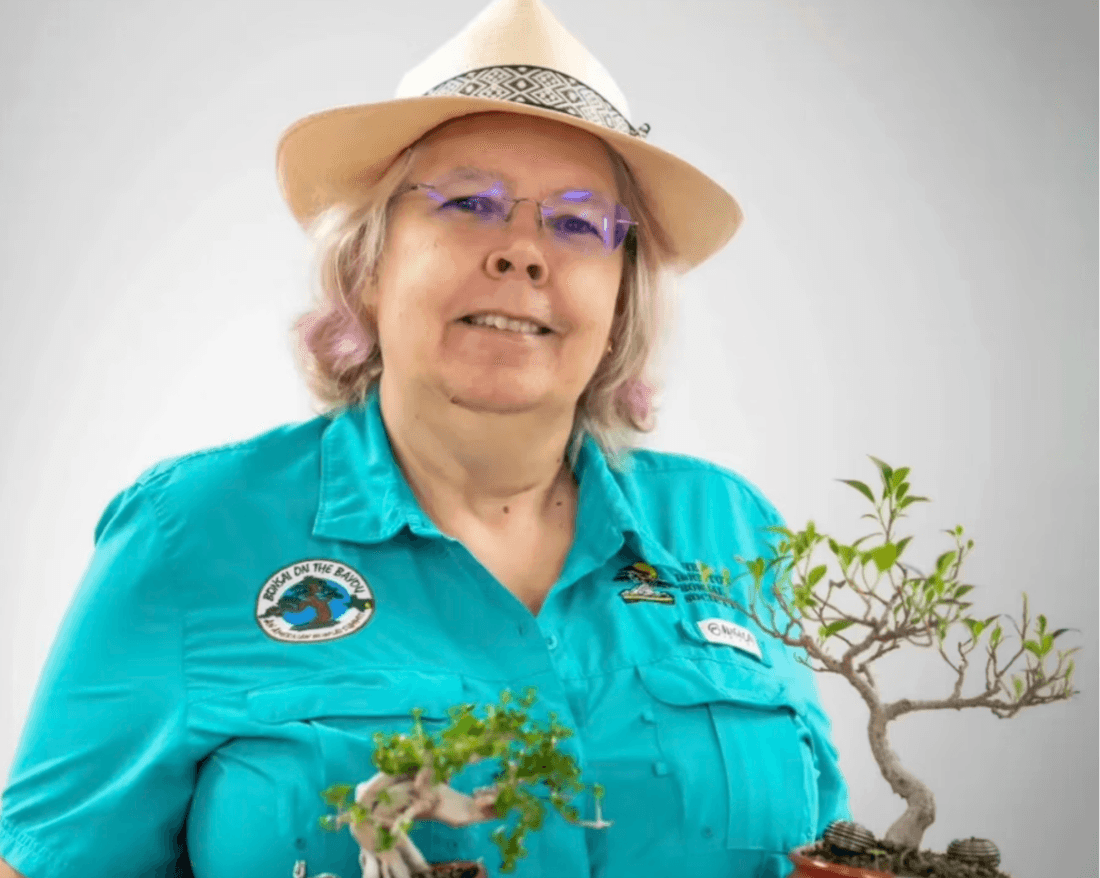
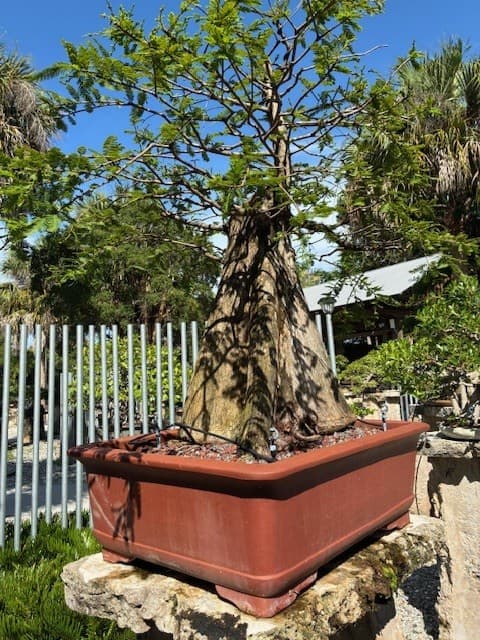
The Houston Bonsai Society brought added weight to the presentation. Founded in 1967, the nonprofit is affiliated with the Lone Star Bonsai Federation, the American Bonsai Society, the National Bonsai Foundation and Bonsai Clubs International. Texas bonsai already leans on regional material, with native species such as cedar elms, bald cypress, mesquite, alligator junipers and live oaks commonly worked into local collections.
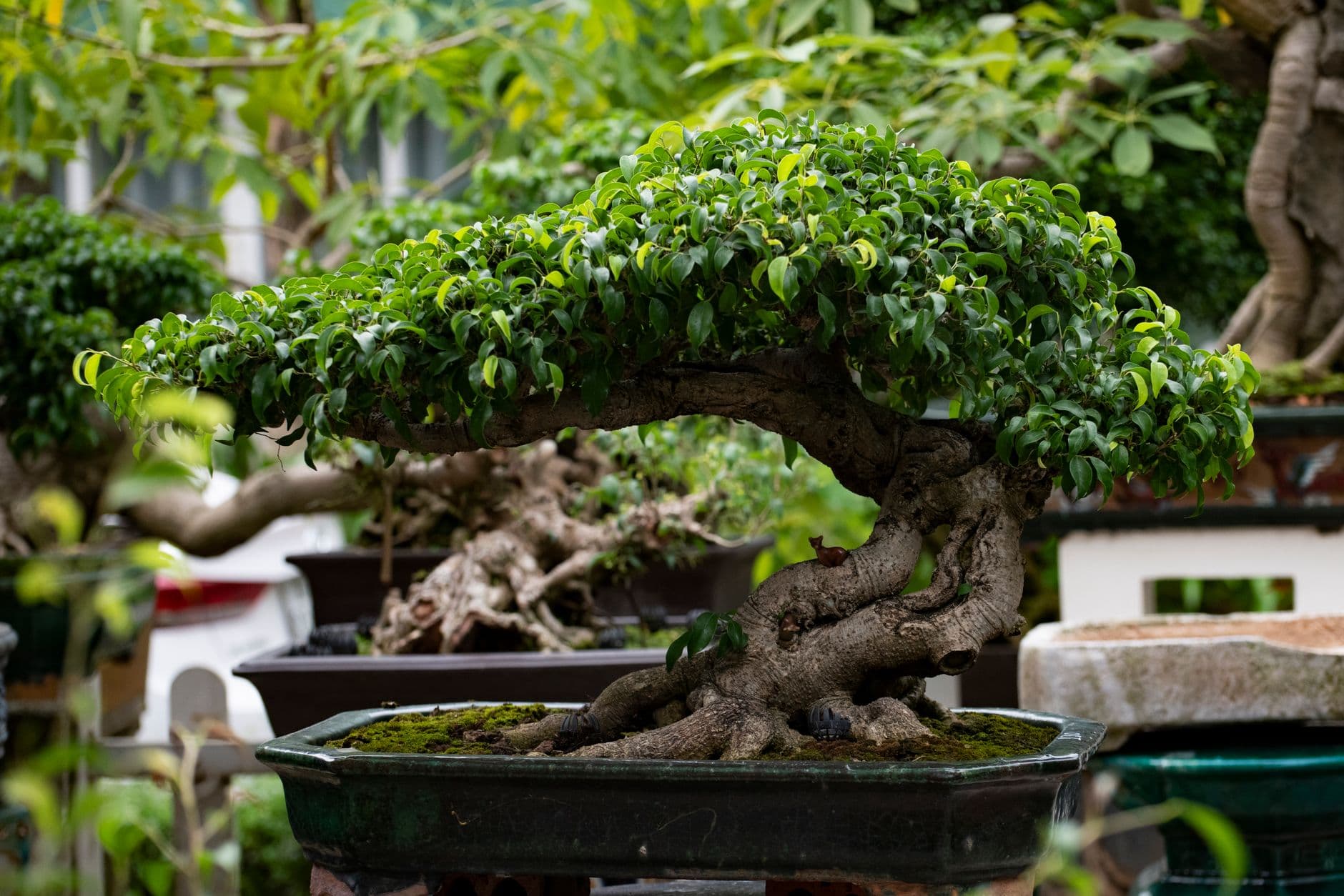
That is what made Childers’ talk stand out: it treated bonsai not as an isolated styling exercise, but as a way to think about native plants, genetic diversity and the stewardship behind every tree on the bench.
This article was produced by Prism’s automated news system from verified source data, official records, and press releases, then run through automated quality and moderation checks before publishing. The system is built and supervised by the people who set the standards it runs under. Read our full AI policy.
Did this article answer your question?