Bucharest Bonsai Show returns with 80 trees and free admission
Bucharest Bonsai Show returns to Dimitrie Brândză Botanical Garden with 80 trees, workshops, and free admission across three days.
The Bucharest Bonsai Show is back at the Dimitrie Brândză Botanical Garden of the University of Bucharest, and this sixth edition has the kind of details that make a public bonsai event easy to recommend: 80 trees, free admission, and a setting that already feels like a destination. The show runs from June 12 to June 14, with doors open daily from 10 a.m. to 7 p.m., giving visitors a full weekend to move at bonsai pace.
A garden setting made for living art
There is a particular logic to seeing bonsai inside a botanical garden. The trees are not isolated objects on pedestals here so much as part of a larger conversation about cultivation, form, and the way plants are shaped over time. At Dimitrie Brândză Botanical Garden, that conversation gets a public stage, and the sixth edition gives the event a sense of continuity rather than novelty for novelty’s sake.
The scale matters too. With around 80 bonsai trees on view, the show is large enough to feel substantial without turning into something impersonal. That balance is part of the appeal for anyone who wants to compare species, study styling choices, and see how different trees carry age, movement, and restraint in very different ways.
What visitors can expect on site
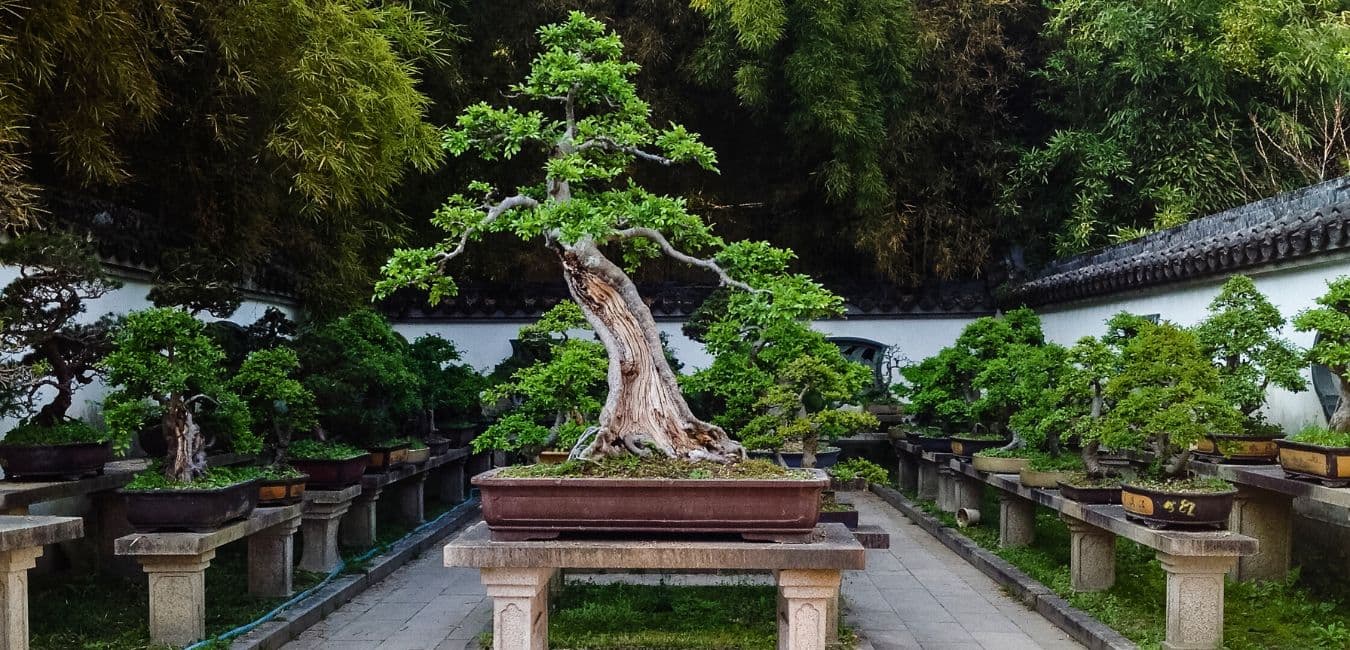
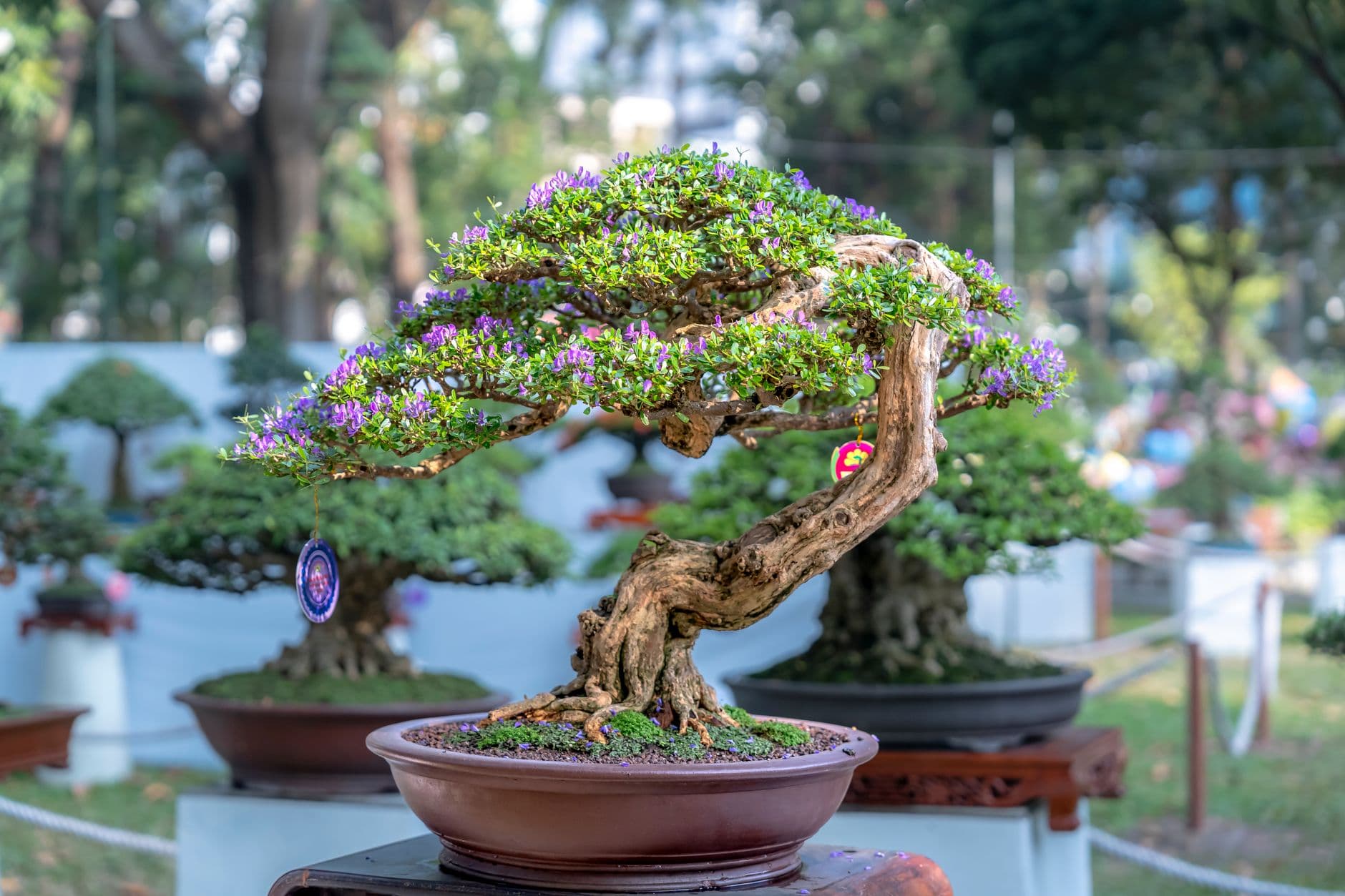
The display is built around variety. The 80 trees represent a range of species and styles, which means the show is not simply a parade of similar pots but an opportunity to see how bonsai techniques change depending on material. For newcomers, that variety helps make sense of the hobby quickly. For experienced growers, it offers the pleasure of looking closely at tree choice, silhouette, branch placement, and the long work that separates a managed specimen from a finished composition.
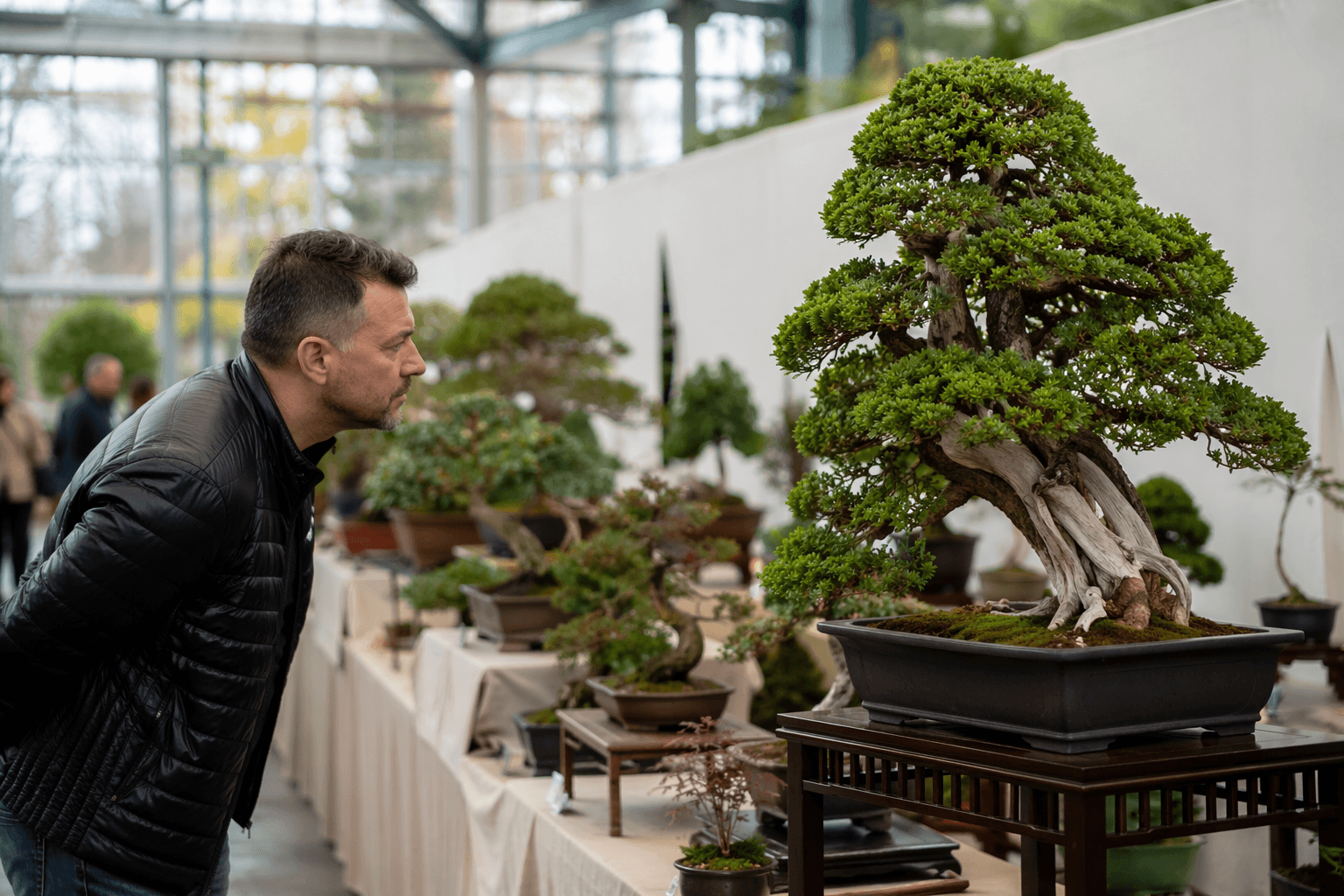
The show is also designed as more than a viewing event. Demonstrations and workshops are part of the program, and bonsai experts are on hand throughout the weekend to offer advice. That combination turns the show into a working classroom as much as an exhibition floor, which is exactly the kind of format that makes bonsai feel alive instead of sealed behind glass.
Why the sixth edition feels accessible
Free admission changes the atmosphere immediately. It lowers the barrier for anyone who wants to stop in, whether they are already immersed in the practice or just curious about why a tiny tree can hold so much attention. The show’s public-access model is one of its strongest features, because it invites casual visitors into the same space as dedicated bonsai people without asking them to buy in first.
That openness fits the subject. Bonsai often looks refined from a distance, but the work behind it is gradual, physical, and deeply human. A free weekend show lets that process feel approachable. Instead of presenting bonsai as an exclusive club, the event frames it as something you can learn by watching, asking, and spending time with the trees.
The educational side of bonsai
The article’s framing around patience, mindfulness, and a deeper connection with nature is not just a sentimental gloss. Those ideas are central to why bonsai keeps finding new audiences. The practice asks for long attention, careful observation, and a willingness to let the tree set the pace, which gives it a different rhythm from many other hobbies.
That is why the educational side of the Bucharest show matters so much. The event is explicitly meant for anyone interested in learning how bonsai are created or improved, not only for seasoned practitioners. In practical terms, that means visitors can come away with more than a visual impression. They can leave with a better understanding of how styling develops, how advice is given, and how much refinement happens behind the scenes.
Why botanical gardens suit bonsai so well
A botanical garden gives bonsai a context that enhances both the art and the audience’s understanding of it. The trees are viewed within a place already dedicated to plant knowledge, so the show reads less like a niche display and more like a natural extension of the garden’s mission. That setting reinforces the idea that bonsai is not only decoration, but a cultivated relationship between plant, grower, and time.
It also helps explain why events like this matter beyond the bonsai scene itself. Botanical gardens can function as cultural venues, and this show makes that case clearly. The trees, the workshops, and the expert advice all work together to turn a garden into a public learning space where living art is the main attraction.
The practical rhythm of the weekend
Because the show runs from June 12 through June 14 and stays open from 10 a.m. to 7 p.m. each day, the pace is generous. You do not need to treat it like a quick stop. The long daily hours make room for lingering over trees, catching a demonstration, or returning with a better eye after an initial walk-through.
That flexibility is useful at a bonsai event because the best viewing often comes from slowing down. The sixth Bucharest Bonsai Show rewards that kind of attention with a strong mix of display, instruction, and access. With free entry, 80 trees, and expert guidance inside one of the city’s most fitting green venues, it has the feel of a show built to welcome both first-timers and returning devotees.
By the time you reach the last tree, the appeal is clear: this is not just a display of miniature landscapes, but a weekend that uses a botanical garden to show how bonsai teaches patience, invites curiosity, and makes time itself part of the exhibit.
This article was produced by Prism’s automated news system from verified source data, official records, and press releases, then run through automated quality and moderation checks before publishing. The system is built and supervised by the people who set the standards it runs under. Read our full AI policy.
Did this article answer your question?