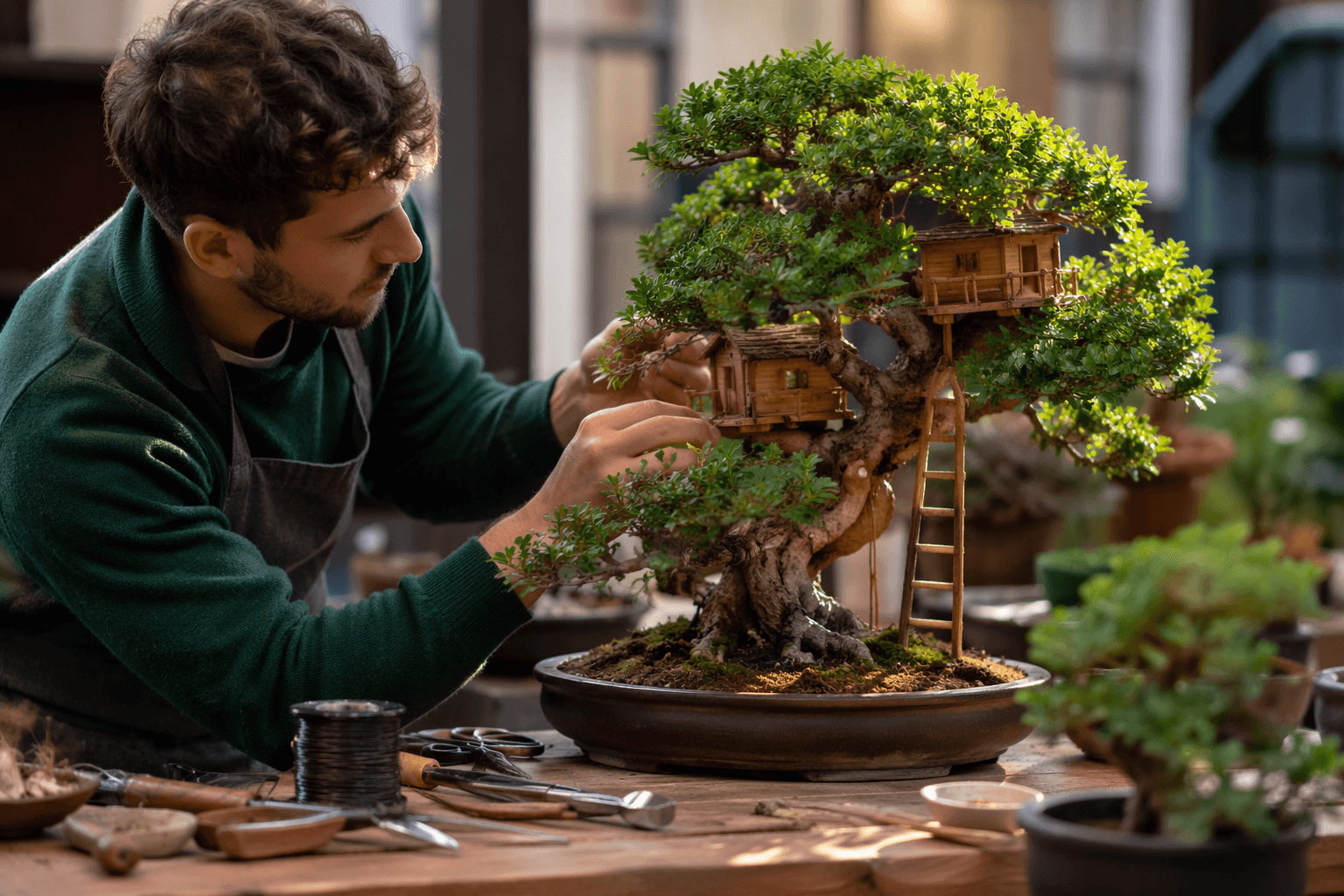
Bucky Barnes returns to shape a Japanese larch bonsai step by step
Bucky Barnes shows why Japanese larch styling works best in seasons, not one session: design, prune, carve and shape, then let the tree answer back.

Bucky Barnes works a Japanese larch through designing, pruning, carving, and shaping over the course of a year. The lesson is how much character comes from repeated decisions rather than one hard cut.
Why Japanese larch keeps bonsai artists coming back
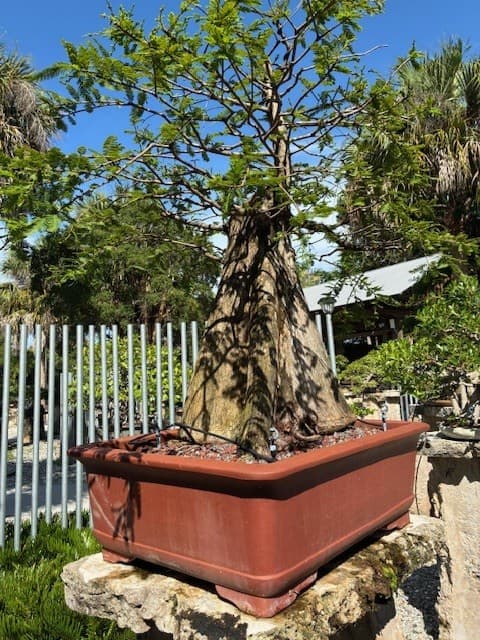
Japanese larch, Larix kaempferi, sits in a very useful middle ground for bonsai work. It is a deciduous conifer, so it sheds its needles in autumn instead of staying permanently green like many familiar conifers. That gives it a changing face through the year: fresh spring growth, a full summer canopy, yellow-orange autumn color, and a clean winter silhouette that still reads well after the leaves are gone.
The species also has the physical traits that make repeated work possible. Japanese larch is durable and tolerant of both styling and repotting, with short, compact needles, strong branching, and vigorous spring growth. It is a large deciduous conifer in the pine family from Japan. The Royal Horticultural Society puts its height at up to 30 meters, with reddish young shoots and yellow-orange autumn foliage.
Step one: design the tree before you chase detail
The opening design pass matters because a Japanese larch can carry a lot of movement if the structure is clear. Barnes’ approach is not about forcing a finished look in one session. It is about deciding where the line should travel, where the taper should tighten, and which parts of the tree deserve to stay in the composition.
That restraint matters because larch is vigorous. North Carolina State University lists full sun, rich acidic well-drained soil, consistent moisture, and cool-summer conditions, and the species does not perform well in hot, humid summers. A tree with that kind of response can recover well, but it can also outrun a sloppy plan. The first decision, then, is not how dramatic the styling can be. It is how much of the tree’s natural structure should be preserved so the design still looks believable in winter.
Step two: prune for structure, not just for neatness
Pruning is where the outline starts to sharpen. On a larch, pruning is less about making the tree look tidy and more about clarifying which lines are doing the real work. The best cuts open branching, reveal taper, and remove growth that blurs the silhouette without adding energy to the final image.
Strong branching and compact needles support a refined outline, but Bonsai Mirai warns that wire bites quickly because of the speed of spring growth. Pruning therefore becomes a timing decision as much as a styling decision. If you cut too much too soon, you lose options. If you wait too long, the tree grows past the point where the branch line can be controlled cleanly.
Step three: carve only where the story needs age
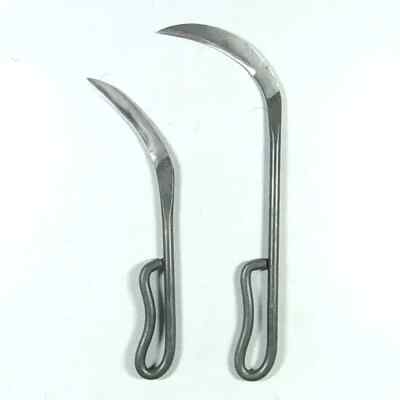
Carving is the most visible intervention, but it works because carving is used as a supporting move, not the headline act. Deadwood detail can give an older, weathered feeling, yet a deciduous conifer still needs live structure to carry the composition through every season. The tree has to look intentional when the needles drop, which means the carved areas have to complement the trunk line and branch movement rather than compete with them.
A heavy-handed carving session can make a larch look mutilated instead of mature. Used carefully, though, carving adds the kind of seasonal contrast that bonsai collectors value: live growth in spring, textured aging in the trunk, and a winter frame that still feels complete when the foliage is gone. Barnes’ year-long process makes that balance visible.
Step four: shape across the year, not in one rush
Shaping is where the year-long approach earns its keep. Because Japanese larch grows strongly in spring, the tree can change quickly after wiring. That is useful when you want movement and direction, but it also means wire can bite in fast if you leave it on too long. The shaping phase therefore depends on repeated checks, small corrections, and enough patience to let each adjustment settle before the next one begins.
The impulse is to force the silhouette all at once, especially when the tree responds so readily. But the better result often comes from a sequence: design, prune, carve, shape, then step back and let growth show what the next decision should be.
A few practical checkpoints stand out from that rhythm:
- Use the tree’s vigor, not just your ambition, to decide how hard to style it.
- Treat wiring as temporary support, because fast spring growth can make wire bite quickly.
- Leave room for seasonal change, since a larch’s autumn needle drop and winter outline are part of the design.
A species that rewards patience and editorial attention
The Bonsai Today archive also shows another Japanese larch styling piece appearing in the same run of coverage.
This article was produced by Prism’s automated news system from verified source data, official records, and press releases, then run through automated quality and moderation checks before publishing. The system is built and supervised by the people who set the standards it runs under. Read our full AI policy.
Did this article answer your question?