Cape Fear Bonsai Society to host free arboretum exhibition
At the arboretum, Cape Fear Bonsai Society showed how a free member exhibition could turn curiosity into a first tree, with RSVP encouraged and every display telling a cultivation story.

A free bonsai exhibition at the New Hanover County Arboretum gave Cape Fear Bonsai Society members a public stage to show more than finished trees. The show, held Saturday, June 13, 2026, invited visitors to spend an afternoon with member-grown bonsai and see how local growers shape, prune, and refine trees over time.
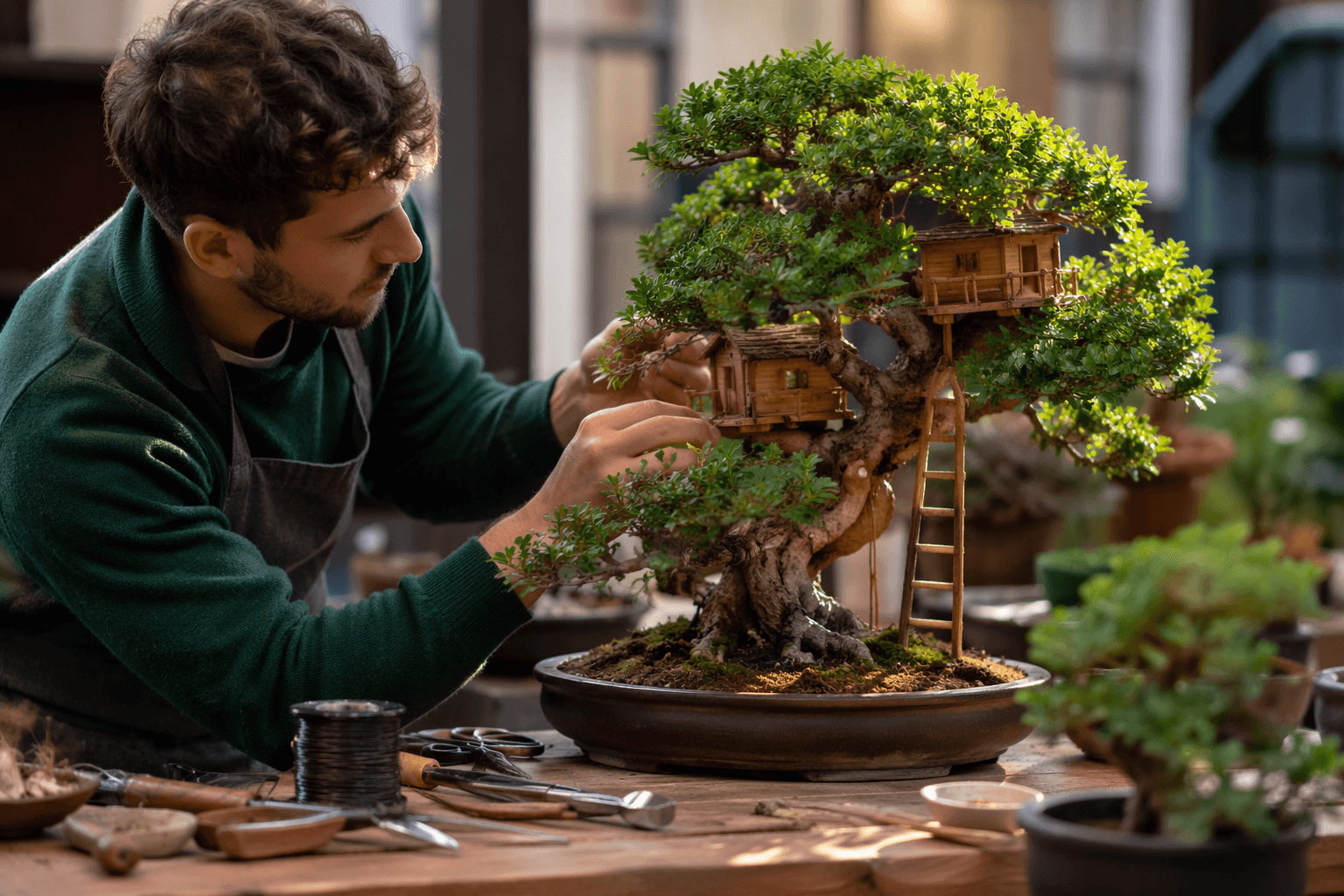
The exhibition was built around a curated display of trees created and cared for by society members, which is where the real value of a club show lies. Each bonsai carried the record of seasonal work, restraint, and the long series of decisions that turned nursery material or raw stock into a composition. In bonsai, the final silhouette is only part of the story; the exhibition made that process visible in a public setting.

That mattered because the arboretum setting placed the trees in a plant-focused space where visitors could see bonsai as both horticulture and art. For people who know the craft only from books, social media, or garden-center benches, a local show like this offers a direct look at how a community of growers works. It also gives beginners a chance to compare trees at different stages, from early training to more established material, and to see that bonsai does not begin at one fixed level of polish.
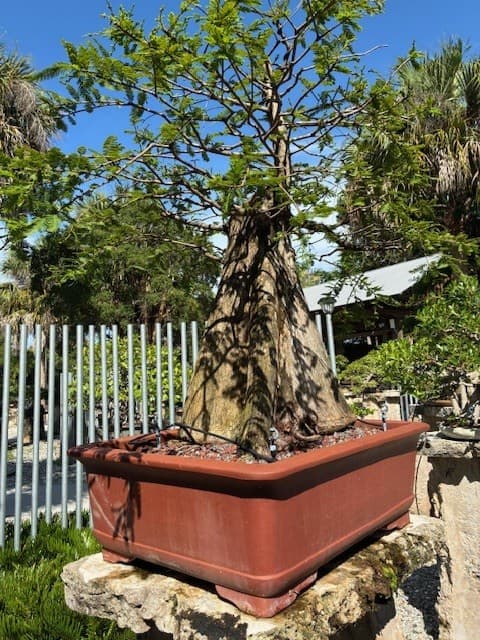
The Cape Fear event also pointed to the kinds of trees and approaches that can take hold in coastal North Carolina. Seeing member-grown material in person helps newer growers imagine what thrives locally and what different training paths can look like over time. Some people arrive at the hobby through outdoor conifers, others through tropical species, and many through nursery stock or beginner workshops. A club exhibition pulls those entry points into one room and makes the range of the hobby easier to understand.

RSVP was encouraged, but the tone of the exhibition remained open and accessible. That combination of a free admission, a public arboretum venue, and living examples from club members made the show less like a formal display and more like an invitation into the local bonsai community. For many visitors, the most useful thing on view was not a single specimen, but the proof that a first tree can start small and still have room to become something worth showing.
This article was produced by Prism’s automated news system from verified source data, official records, and press releases, then run through automated quality and moderation checks before publishing. The system is built and supervised by the people who set the standards it runs under. Read our full AI policy.
Did this article answer your question?