Central Coast Bonsai Club June meeting focuses on deciduous trees, irrigation
Central Coast Bonsai Club’s June program pairs deciduous-tree work with irrigation advice, turning a monthly meeting into a seasonal checkpoint for the collection.
The Central Coast Bonsai Club is using its June meeting the way a good club should at the height of the growing season: as a practical checkpoint. On Tuesday, June 9, 2026, from 7:00 PM to 9:30 PM, members gather in the Mingara Recreation Club Tasman Room, downstairs in Tumbi Umbi, for a session built around the two things that matter most when trees are pushing hard or drying out too fast, design and water.
A June meeting built around real bench work
The club’s June listings place two different but complementary ideas at the center of the program. One version names Don DeLuca as the speaker and demonstrator on deciduous trees, while another highlights Scott Chipperfield sharing his experience with irrigation and automatic systems. Read together, the pages make the month’s direction plain: leafy material in active growth on one side, reliable watering on the other.
That pairing feels especially useful because bonsai work in this season is never just about styling. Deciduous trees demand attention when growth is moving, and irrigation becomes the safety net that keeps progress steady instead of stressful. A club meeting that puts those topics side by side gives members something more useful than a general lecture, it gives them a seasonal decision point.
Why deciduous trees belong on the June agenda
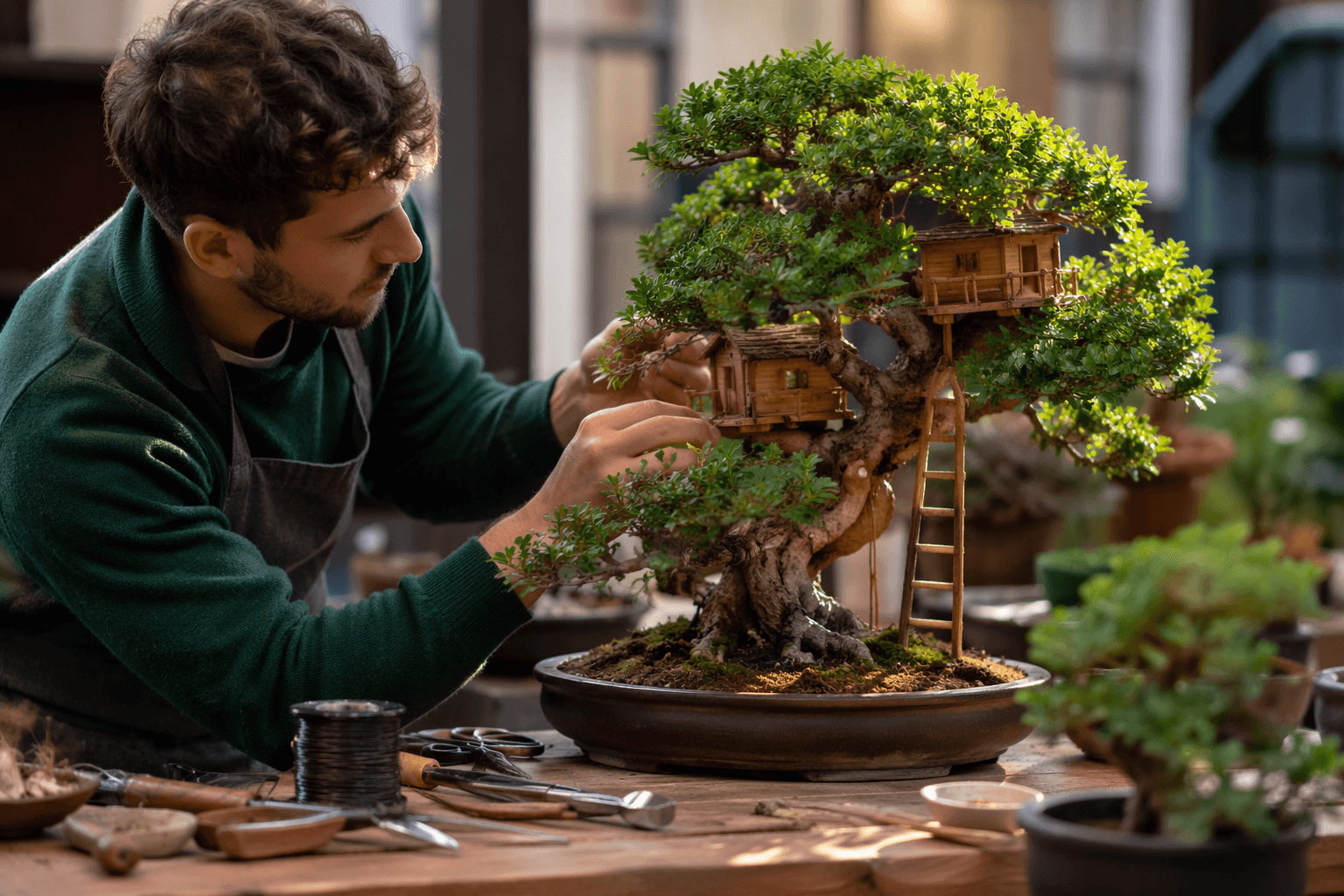
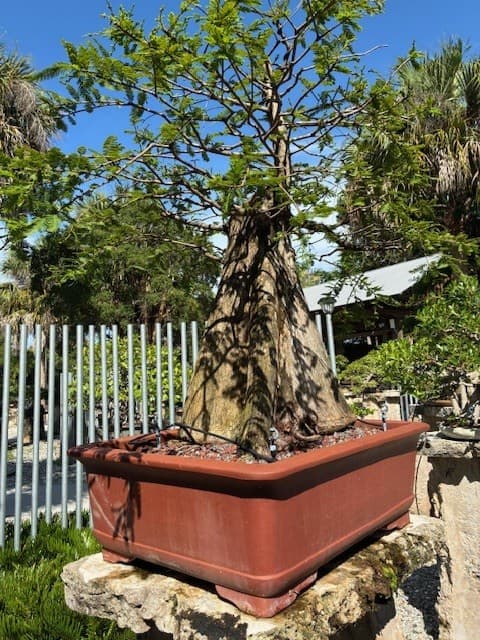
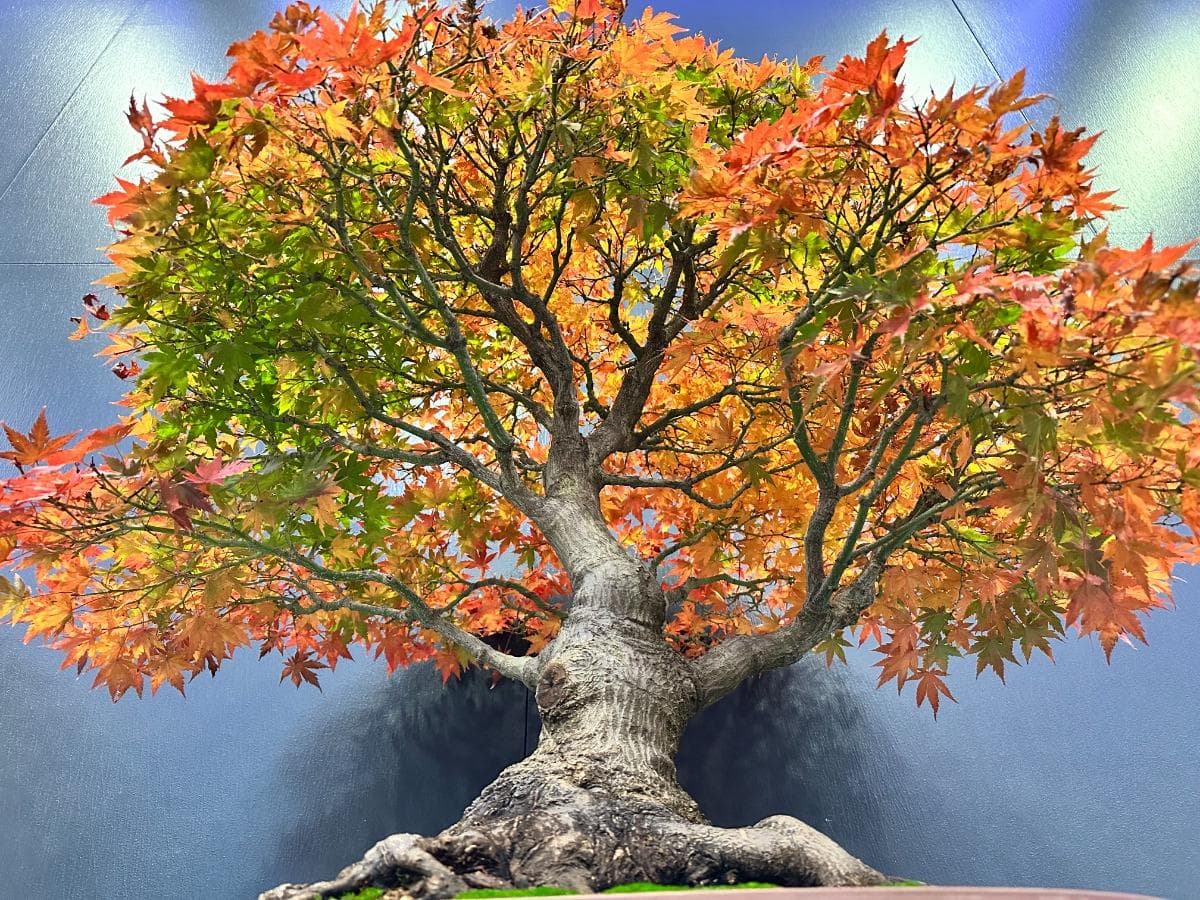
Working with deciduous material is different from working with evergreen structure, and the June program leans into that difference. The club’s notes frame DeLuca’s demonstration around deciduous trees and working with leafy material, which fits the kind of live instruction many members want when growth is active and choices have immediate consequences. That is the kind of session where you can watch how a tree is read, not just hear about it in theory.

For a club calendar, that matters. June is when many collections need careful observation, and deciduous trees make the process visible because their response to pruning, wiring, and seasonal change is easier to read in the foliage and structure. In other words, the meeting is not just about tree type, it is about timing, and about learning what to do while the trees are telling you what they need.
Irrigation turns from convenience to collection insurance
The other half of the June program, Scott Chipperfield’s experience with irrigation and automatic systems, brings the conversation from styling into infrastructure. Automatic watering is the kind of subject that often gets treated as background until a heat spell, a missed day, or an uneven setup exposes the weak spots. By putting it on the meeting agenda, the club is treating water management as a core bonsai skill, not an afterthought.
That emphasis lines up with seasonal guidance from Bonsai Society of Australia Inc., which stresses that summer watering is critical and points to crepe myrtles and crabapples as useful “sentinel” trees because they wilt first when a collection starts needing attention. The practical lesson is simple: if those trees start to flag, the rest of the collection may already be under pressure. A June talk on irrigation gives members time to check systems before the warmest weather turns those warnings into losses.
A club that welcomes new faces, not just regulars
Central Coast Bonsai Club does not present itself as a closed circle. Its public website says the club welcomes everyone, from beginner to expert, and invites people to learn bonsai, care for bonsai, and even shop for bonsai. The June meeting page reinforces that tone by telling newcomers they are welcome to just turn up and introduce themselves, which is exactly the sort of open-door language that helps a club calendar become a real entry point.
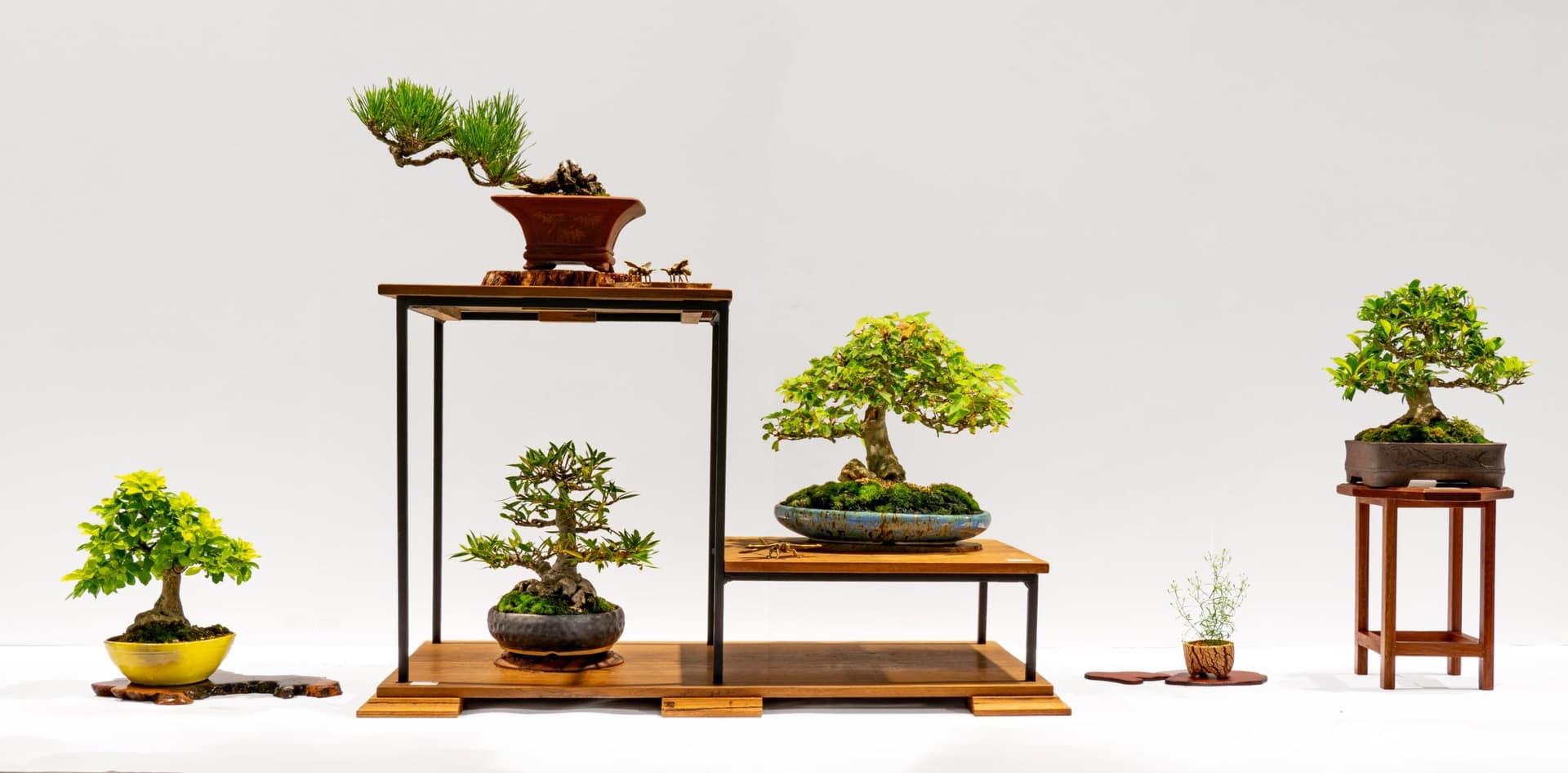
That openness also fits the club’s broader identity. A Central Coast Australia profile says the club was established in 1997, and its Eventbrite listing describes it as comparatively small, with circa 100 members. That scale tends to work well for bonsai: big enough to have shared knowledge and a steady program, small enough that a newcomer can still find a place to stand, listen, and ask questions without feeling lost in the crowd.
The March Bonsai Open sets the tone for June
The June meeting also makes more sense when set against the club’s 2026 Bonsai Open, held in March at Mingara Recreation Centre. Coast Community News reported that the show featured more than 100 trees and prize money totaling more than $5,000, while the Bonsai Society of Australia described the atmosphere as warm and friendly, with excellent demonstrations and vendors. The demonstrators included Steven Cullum, Hugh Grant, John Marsh, Kim De Korte, Evan Marsh, and Jason Pomfret.
That exhibition season matters because it shows the club’s rhythm. The Bonsai Open gives the public side of the hobby its stage, with trees, vendors, and demonstrations, while the June meeting shifts the focus back to maintenance and refinement. It is the kind of calendar that keeps a club useful all year, not just on show weekends, and it helps explain why a deciduous-tree demo and an irrigation talk belong in the same month.
What looks like a simple meeting listing is really a small seasonal map. The club is taking June and turning it into a place where members can check deciduous trees, review watering systems, and leave with a clearer plan for the months ahead.
This article was produced by Prism’s automated news system from verified source data, official records, and press releases, then run through automated quality and moderation checks before publishing. The system is built and supervised by the people who set the standards it runs under. Read our full AI policy.
Did this article answer your question?