Clark Bonsai Museum bridges forest forms and the fourth dimension of time
The Clark Bonsai Museum is closing its forest and multi-trunk show with a time-focused exhibition next, giving visitors a rare look at bonsai as both form and duration.

The Clark Bonsai Museum is using June to bridge one of the most demanding bonsai genres with one of the art form’s deepest ideas: time. Its current Miniature Trees exhibition runs through June 21, while a new show, Journey to the Fourth Dimension: The Element of Time, is already lined up for the summer and fall, giving serious viewers a clear reason to plan the calendar around the collection.
Forest forms are the present draw
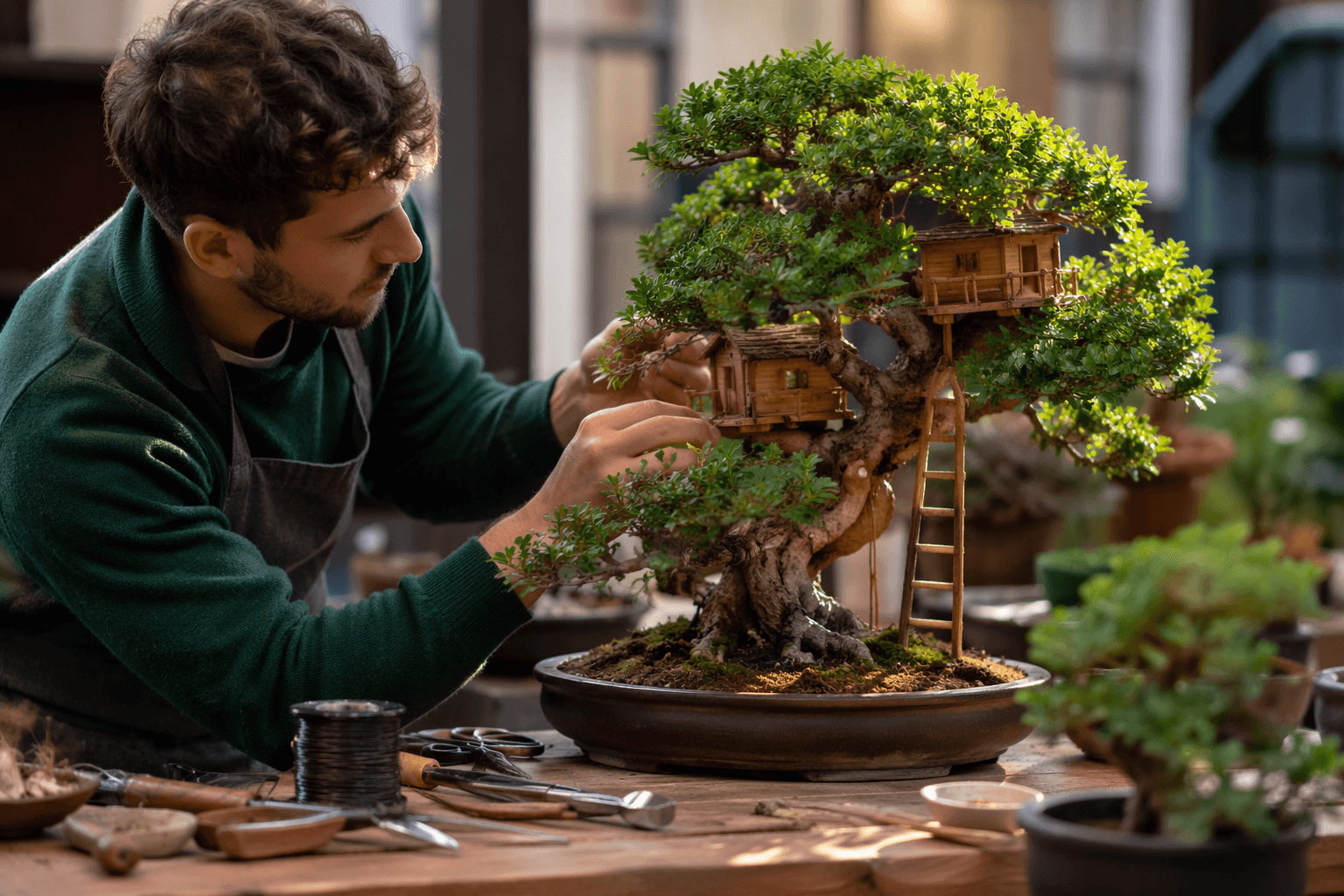
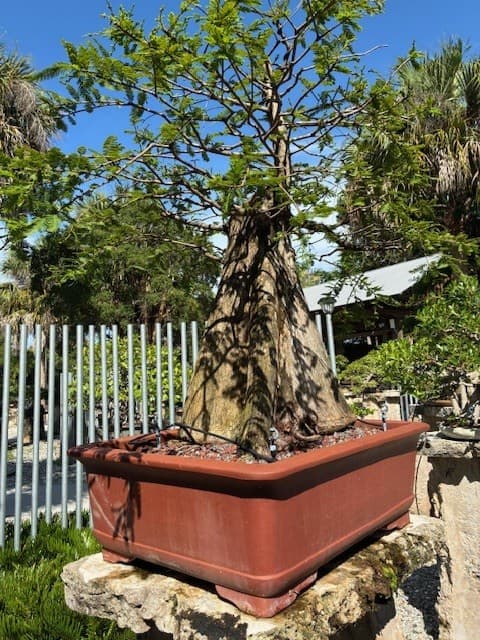
Miniature Trees is built around forest and multi-trunk style bonsai, and the museum treats those forms as more than a visual variation. The display frames them as complex compositions because the artist is not shaping a single tree, but arranging several visual elements into something that feels like a convincing slice of nature.
That is what makes the show especially useful for anyone who studies design. Forest bonsai, clumps and groves ask the eye to read spacing, rhythm and scale at once, and the museum’s framing makes clear that bonsai is not about copying nature literally. It is about distilling nature into a small, carefully composed world that still carries the feeling of a real landscape.
The next exhibition turns the clock into the subject
The museum’s future exhibition, Journey to the Fourth Dimension: The Element of Time, pushes the conversation beyond shape and surface. Scheduled for June through October 2026, the show makes the case that bonsai occupies three-dimensional space, but the art also depends on time, age, elapsed cultivation and generational continuity.
That is a strong curatorial move because it places a central bonsai concern at the level of philosophy rather than technique. A tree’s history is not just visible in the potting or pruning, but in the years of decision-making that created it, and in the cultural handoff that allows a collection to survive across generations. With the museum marking its 10th anniversary in 2026, the timing gives this shift extra weight: the institution is not merely rotating displays, it is defining how it wants visitors to think about bonsai itself.

What to catch before the current show closes
For readers who want to see Miniature Trees before it ends, the window is open until June 21, 2026. The Clark Bonsai Museum’s regular hours are 10 a.m. to 12:30 p.m. Wednesday and Friday, and 10 a.m. to 4 p.m. Saturday, Sunday and holidays. The garden is open only when a docent is present, so the visit has the feel of a guided encounter rather than a casual walk-through.
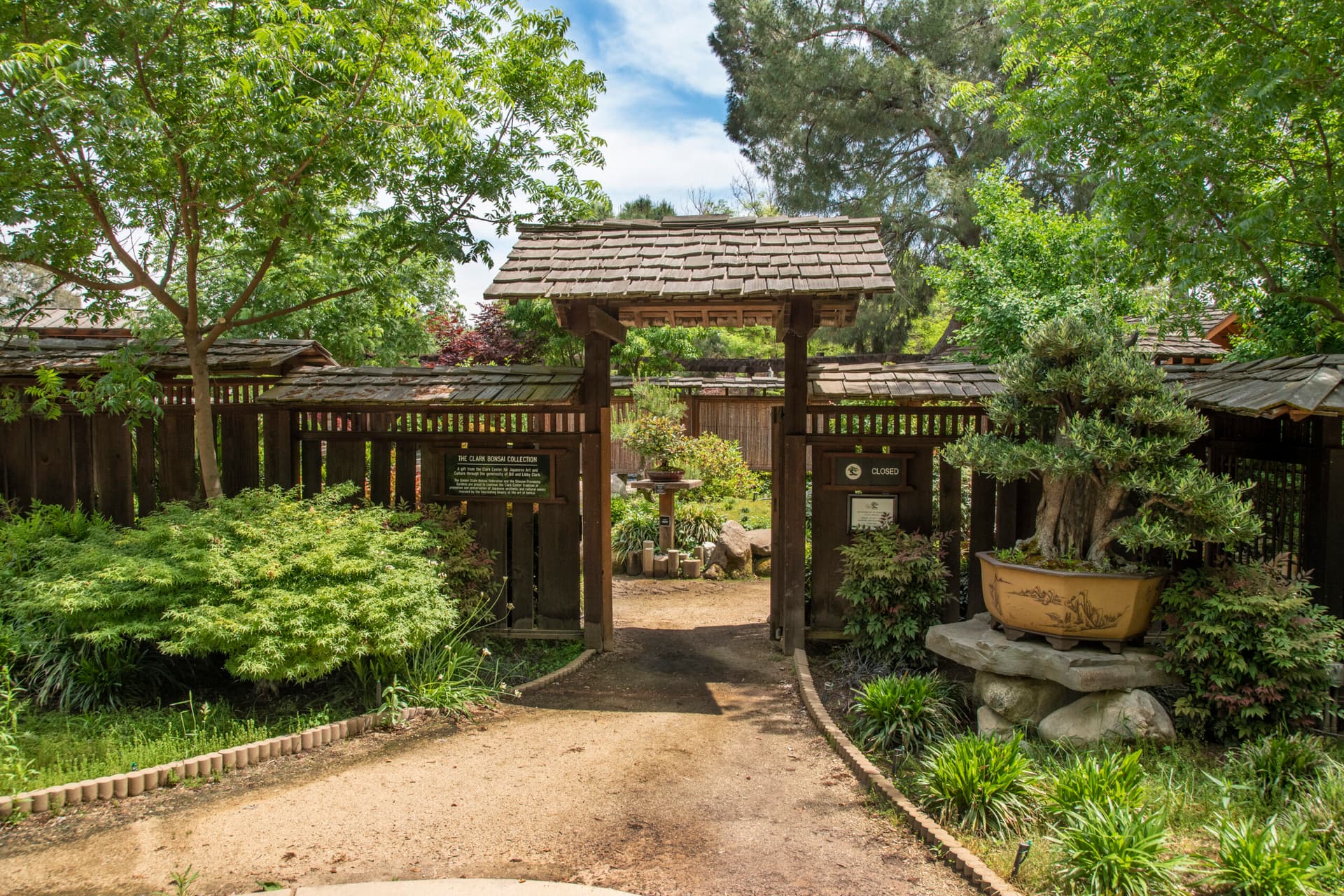
The collection sits inside Shinzen Garden in Fresno’s Woodward Park, and the setting matters. Shinzen Friendship Garden is a 5-acre garden, so the bonsai are part of a broader landscape experience rather than an isolated gallery stop. Shinzen also notes that the collection may operate on reduced hours when temperatures rise above 95 degrees, and it may close in heavy rain or unhealthy air quality, so conditions can shape the day’s access as much as the calendar does.
Admission is straightforward and family-friendly: under 4 free, ages 4-14 $1, ages 15-adult $5, seniors 62+ $1, students $1, and a family rate of $7 for 2-5 people. That keeps the museum accessible while still supporting a collection that is regularly presented as world-class.
More than a display space
The museum presents itself as a living museum encompassing the history of the art of bonsai in California, and as an educational center for the appreciation and practice of bonsai. That identity shows up in the programming around the collection, which extends the experience beyond looking at trees in display cases.
Make Your Own Bonsai is held the first Saturday of every month at 10 a.m. at the Clark Bonsai Garden inside Shinzen Friendship Garden. Participants learn the fundamentals of bonsai design and care while creating their own bonsai tree to take home, which makes it one of the clearest entry points for newer growers who want a practical, hands-on introduction.
Story Time in the Bonsai Garden is a free community program held among living bonsai, designed to mix storytelling with lessons drawn from nature, Japanese culture and the art of bonsai. Meditation with the Ancient Bonsai adds another layer, offering a guided mindfulness session focused on breath awareness. The homepage also points visitors toward a Friends program, reinforcing that the museum sees itself as a community institution as much as a collection.
Support matters here, too. The current exhibition page says sponsorship helps the museum continue to preserve and present world-class displays, and the museum’s own language makes its purpose plain: “Continuing the Legacy of the Collection and Investing in the Future.”
A collection with local roots and a changing public role
The Clark Bonsai Collection has a long local lineage. A 2024 GV Wire report said the core of the collection came from a nonprofit museum opened by Hanford ranchers Bill and Libby Clark, who agreed to gift the miniature trees to the Golden State Bonsai Federation for exhibit at Shinzen Friendship Garden. Bonsai Tonight reported in 2023 that the collection opened in 2015 and featured 140 bonsai, with a rotating selection on display at any given time.
That history helps explain why the current schedule feels significant. The museum is not just cycling through trees. It is using the transition from forest forms to the fourth dimension of time to show how a public bonsai collection can keep teaching, keep changing and keep deepening its argument about the art. Miniature Trees closes the visual loop; Journey to the Fourth Dimension opens the philosophical one.
This article was produced by Prism’s automated news system from verified source data, official records, and press releases, then run through automated quality and moderation checks before publishing. The system is built and supervised by the people who set the standards it runs under. Read our full AI policy.
Did this article answer your question?