Conejo Valley Bonsai Society weighs buying a mature tree vs starting from scratch
CVBS turns a familiar bonsai dilemma into a practical lens: buy a mature tree for immediate joy, or start raw if you want the full long-game of trunk work.
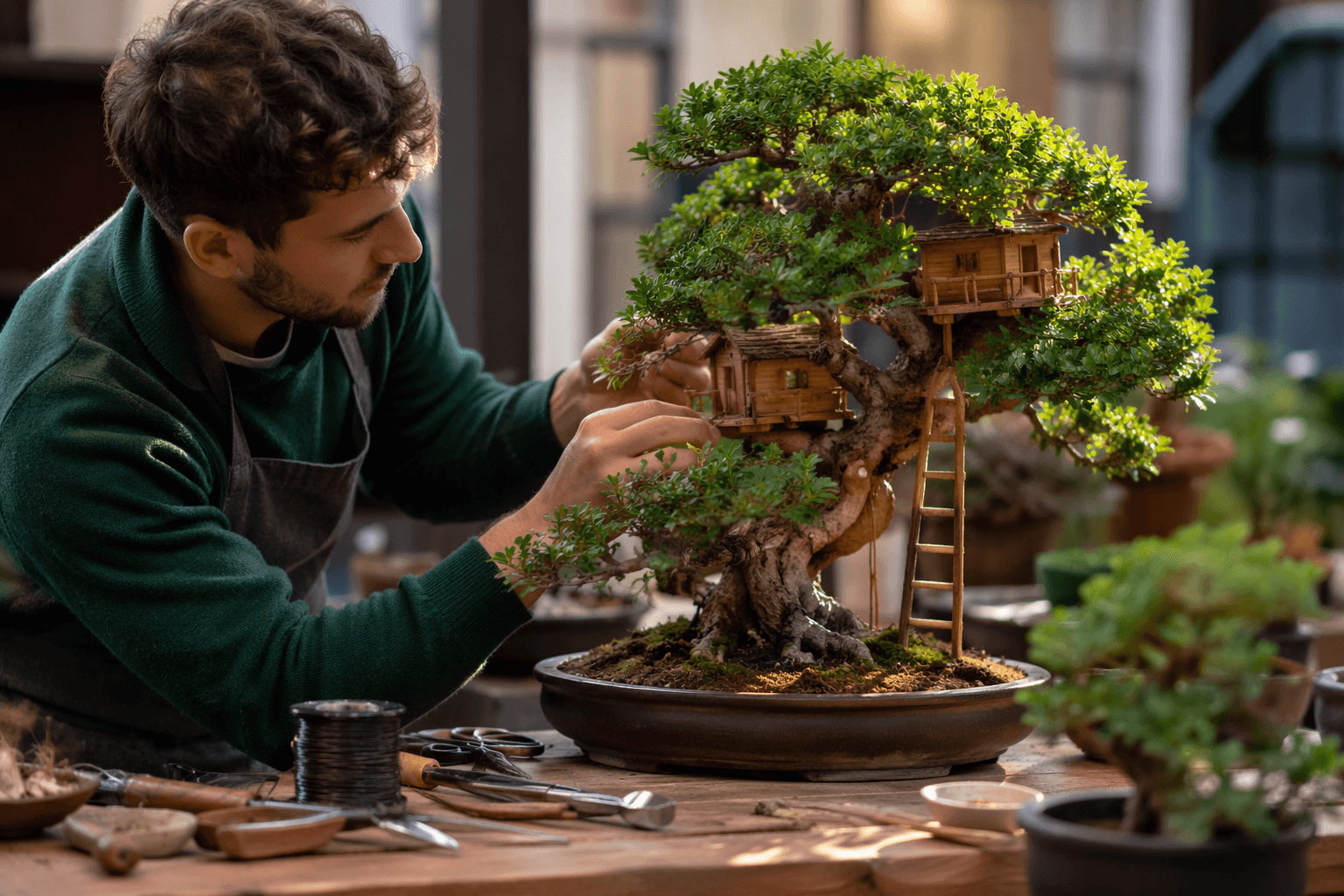
A bonsai does not have to begin as a seedling, and the Conejo Valley Bonsai Society is leaning hard into that reality. In its May 2026 newsletter, posted June 13, 2026, the club uses a simple question to open the door for newcomers: is it better to build a tree from scratch, or buy mature material and learn from there?
The choice that shapes the first years
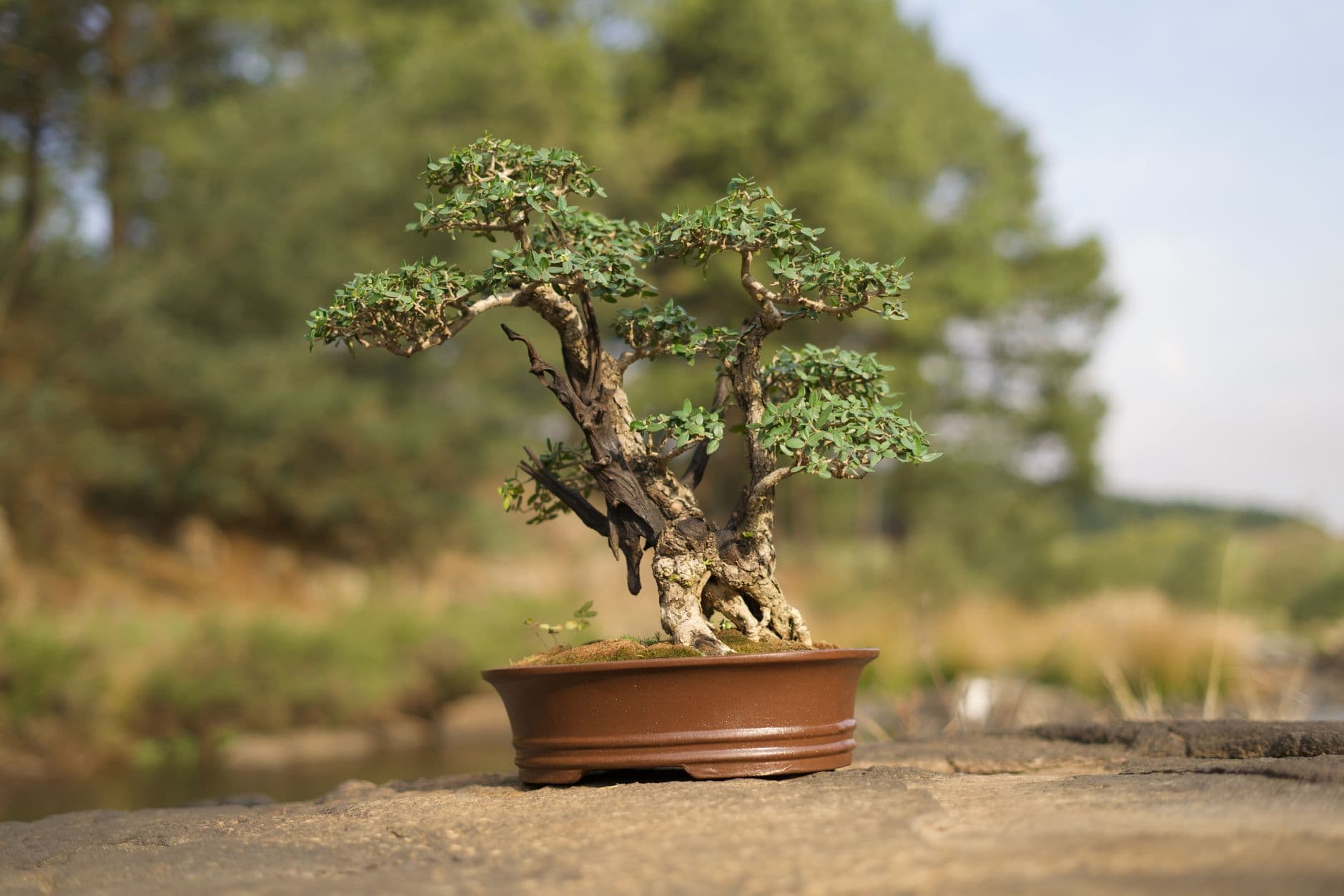
Mike Blumenberg’s message gets right to the pressure point that stops a lot of beginners cold. Some people fall in love with bonsai, then discover that the techniques required to create and sustain a tree can feel like a wall. His answer is practical: if the learning curve feels discouraging, a mature bonsai can let you enjoy the art immediately while you keep learning how to care for the tree and, over time, create new bonsai of your own.
That framing is less about purity and more about staying in the hobby. Blumenberg uses the question to talk about club survival and member retention, which is exactly where bonsai lives or dies in the real world. A club that only celebrates long, difficult development risks losing the person who just wants to place a tree on the bench and start learning. A club that only sells instant gratification risks flattening the craft. CVBS is clearly trying to make room for both.
Why “finished” is never really finished
The newsletter also spells out the club’s working model for bonsai development: trunk development, branching, and ramification. In CVBS’s view, a tree does not earn its pot until it has completed all three steps. That is a useful filter for anyone trying to decide whether to buy or build, because it reminds you that a pot is not the finish line so much as the point where a tree has earned refinement.
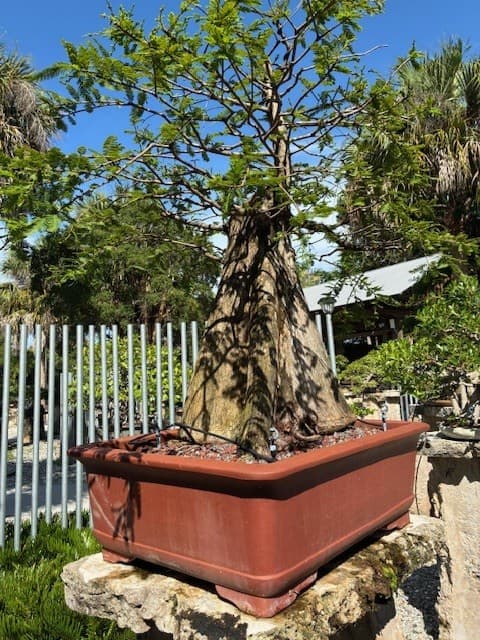
If you start from raw material, you are signing up for the slowest part of the process, especially trunk development. That path teaches you how growth is directed, how structure is built, and how much patience the work demands before a tree starts looking like a bonsai instead of a project. If you buy a more mature tree, you are buying time, and with it the chance to focus sooner on maintenance, refinement, and design decisions at a stage where the tree already speaks the language of bonsai.
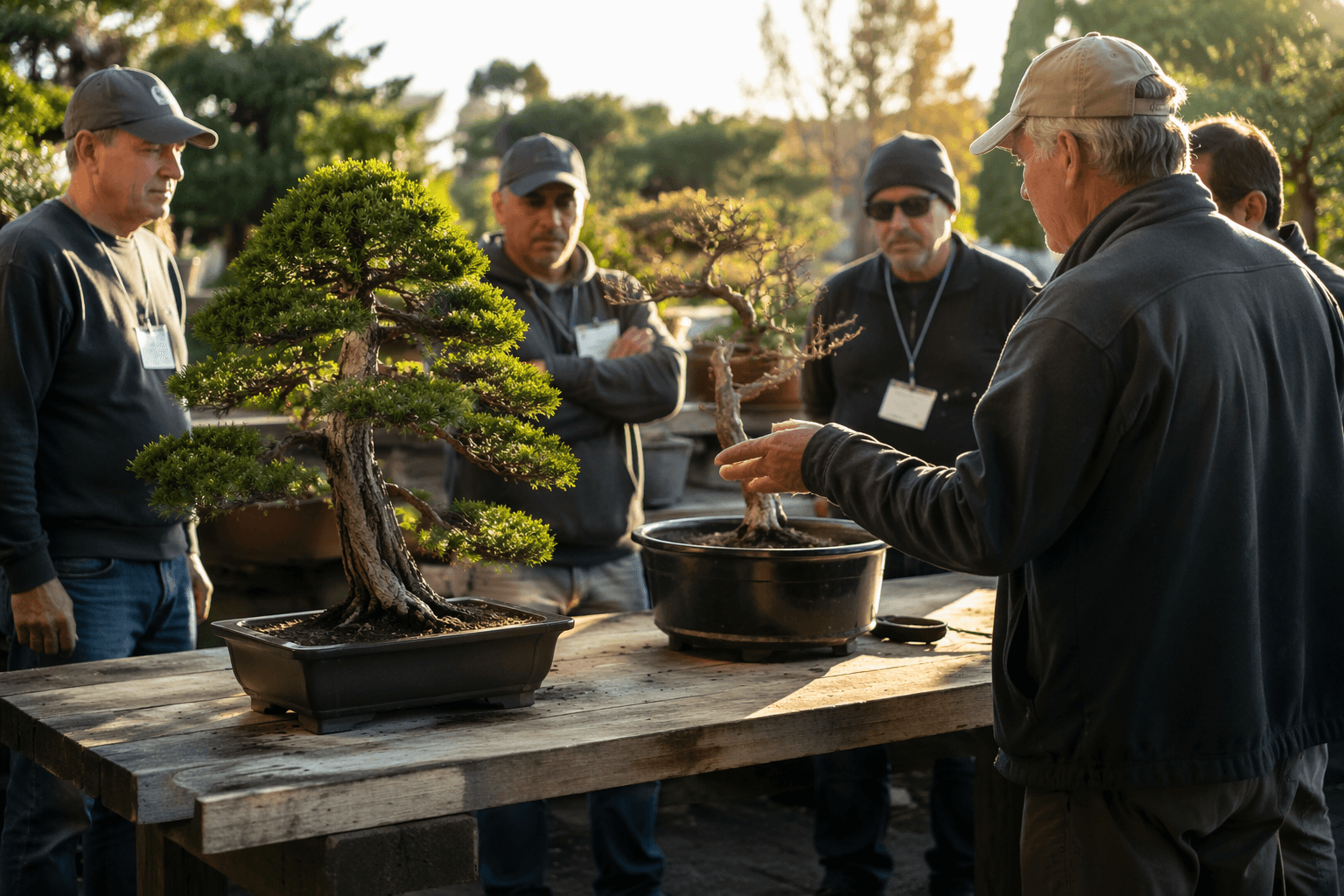
The hidden beginner mistake here is not choosing the “wrong” path. It is choosing a path that does not match your patience, your budget, or your appetite for repetition. Raw material asks you to live with delay. Mature stock asks you to pay for time already spent by someone else.
What the Santa Barbara show added to the conversation
The newsletter says Blumenberg’s thinking grew out of a recent conversation with Jonas Dupuich after the Bonsai Club of Santa Barbara’s annual exhibition. That timing matters because the Santa Barbara club’s 49th Annual Show & Sale, held May 16-17, 2026, at Montecito Union School in Santa Barbara, was built around the same access question. Jonas Dupuich and Mel Ikeda were listed as live demonstrators at 1 p.m. each day, and the show’s sales area included trees, pots, tools, and rare species for all experience levels.
The show also promoted a beginner package that bundled a tree, a club-led design workshop, and discounted membership for the rest of 2026. That is exactly the kind of bridge bonsai needs. Instead of forcing newcomers to choose between isolation and an intimidating deep end, it gives them a tree, instruction, and a path into a club.
Dupuich is a strong choice for that conversation. He runs a Northern California bonsai nursery where he teaches and writes about bonsai, and he authored The Little Book of Bonsai and The Essential Bonsai Book. He is also a co-founder of the Pacific Bonsai Expo and is known for developing Japanese black pine from seed. That combination of nursery work, publishing, teaching, and long-term species development makes him an especially clear voice on the difference between buying a tree and building one.
How CVBS lowers the barrier without lowering the standard
Conejo Valley Bonsai Society is not asking newcomers to choose between seriousness and welcome. The club says novices and all ages are welcome, and it offers help choosing plants, pots, and supplies, plus field trips and an annual display and demonstration show at Gardens of the World in Thousand Oaks. The society also meets on the third Thursday of every month from 7:30 p.m. to 9 p.m. at Westlake Village City Hall, 31200 Oakcrest Drive, Westlake Village, California.
That mix of open doors and practical support explains why the make-versus-buy question lands so well inside a club newsletter. A new member can walk in with no tree at all, or with a mature bonsai that needs care, and still find guidance that fits the stage they are in. CVBS’s table of contents reinforces that breadth, with notes on an August swap meet, summer-solstice watering tips, a mentoring program, library reminders, a root-over-rock Chinese elm, a ginkgo transformed into a vase shape, and upcoming events and displays.
The club is making a simple argument through all of it: bonsai is a long apprenticeship, but the entry point does not have to be punishing. You can begin with raw material and learn every stage the hard way, or you can buy a tree that already carries years of work and start learning from that point forward.
The practical decision for a newcomer
If you want the deepest lesson in timing, trunk movement, and patience, start from scratch and accept that trunk development comes first. If you want to enter the art sooner, reduce early frustration, and focus on care and refinement, buy a mature tree and use it as your classroom. Either way, CVBS is making the same larger point as the Santa Barbara show and Dupuich’s work: bonsai stays healthy when clubs make it easier to begin without pretending the craft is easy.
That is the real answer hiding inside the question. A bonsai can start as raw stock on a bench or as a finished tree in a pot, but the first decision is not about status. It is about how you want to learn, how long you want to wait, and whether you are ready to stay with the tree long enough for it to earn its pot.
This article was produced by Prism’s automated news system from verified source data, official records, and press releases, then run through automated quality and moderation checks before publishing. The system is built and supervised by the people who set the standards it runs under. Read our full AI policy.
Did this article answer your question?