Florida Bonsai adds brewery workshops to welcome beginners statewide
Florida Bonsai is moving bonsai nights into breweries, pairing Alex Stanford’s teaching with low-pressure entry points for beginners across Northeast Florida.

Bonsai meets brewery culture
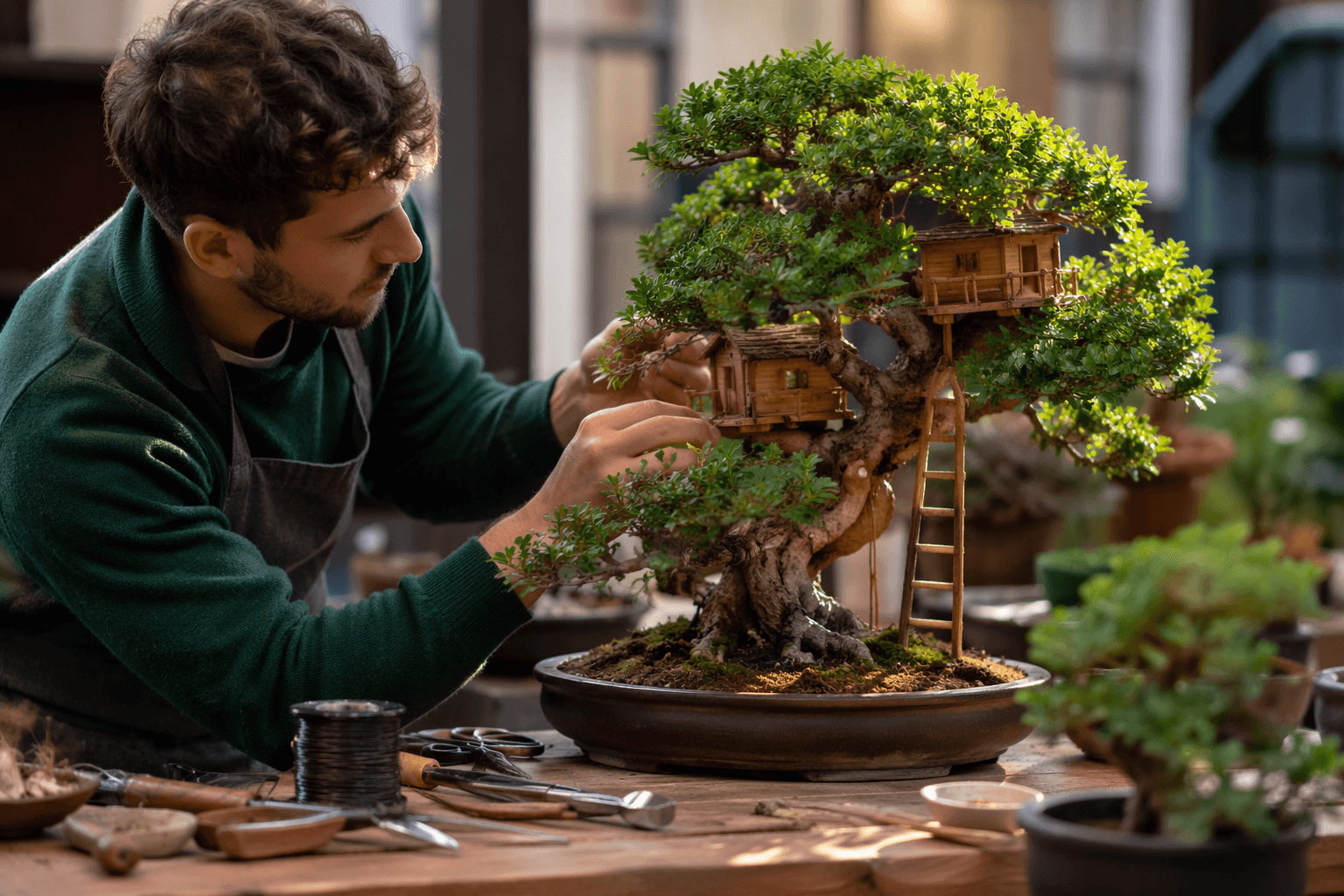
Florida Bonsai is turning a hobby that can feel fussy into something you can try over a drink with friends. Its current workshop slate leans on Bonsai & Beer nights at local breweries, with pages now live for Fishweir Brewing Company in Jacksonville, Hoptinger Jacksonville Beach, Azalea City Brewing Company in Palatka, and other stops across Jacksonville, Jacksonville Beach, St. Augustine, Fernandina Beach, Palm Coast, and beyond. That setup matters because it makes the first step look social instead of intimidating, and the copy makes clear the invite is for both seasoned plant enthusiasts and complete beginners.
The move is more than a novelty format. Florida Bonsai is using these brewery sessions to widen the entry ramp into the art, giving curious browsers a place to show up without needing a club membership, specialized tools, or prior wiring experience. In a hobby where the first tree can feel like a big commitment, the casual venue does real work: it lowers the pressure, shortens the distance between interest and participation, and gives first-timers a reason to say yes.
What a beginner gets in the room
The most concrete example comes from the Azalea City Brewing Company listing, which runs from 6:45 p.m. to 8:45 p.m. and costs $89. Florida Bonsai says no prior experience or tools are required, and beer is available for purchase at the venue but is not included in the workshop price. That combination makes the event feel built for someone who wants structure without the usual overhead that comes with starting bonsai.
Participants receive a pre-bonsai tree, a glazed ceramic bonsai pot, soil, wire, drainage mesh, fertilizer, tool use, and aftercare advice. The workshop also uses tropical species, which Florida Bonsai says are easy to care for even with a busy schedule. For a beginner, that matters as much as the social setting does: the class is not just a demonstration, it is a complete starter kit wrapped around a single evening.
The Palatka listing adds another layer of clarity. It says the session includes a brief introduction to the history and fundamentals of bonsai before moving into hands-on potting, pruning, and styling. That sequence gives the format a clean learning path, starting with context, then moving quickly into actual tree work. The result is a workshop that feels practical from the first few minutes rather than abstract or overly technical.
Why the brewery format works
Bonsai can intimidate newcomers because it is often presented as an art of restraint, patience, and precise technique. Florida Bonsai’s brewery model softens that edge. Instead of asking a newcomer to step into a formal club environment first, the company is meeting people in places where they already feel at ease, then using that comfort to make bonsai feel accessible.
The language on the workshop pages reinforces that strategy. One listing describes the experience as suitable for both complete beginners and seasoned plant enthusiasts, which is a useful signal for anyone unsure whether they belong in the room. The message is not that you need to arrive as an expert. It is that you can arrive curious, enjoy the setting, and leave with something you built yourself.

That approach also points to a bigger shift in how bonsai instruction is being packaged. Florida Bonsai’s schedule favors short, social sessions, local venues, and all-in pricing that includes the materials you need to get started. It is a model built for people who may not join a club on day one, but who still want a first tree and a path forward.
Alex Stanford gives the format authority
The brewery nights are casual, but the instruction is grounded in serious experience. Florida Bonsai names professional bonsai artist Alex Stanford as the guide for its Bonsai & Beer sessions. The company identifies him as the owner of Northeast Florida’s oldest bonsai nursery, and one listing describes him as a bonsai legend with over 50 years of experience.
That matters because it keeps the format from feeling like a novelty night with a plant at the center. Stanford gives the event instructional credibility and historical depth, which is exactly what a beginner needs when the goal is to make a first tree succeed at home. The promise is not just a fun evening out. It is direct access to someone who has spent decades working in the field.
Florida Bonsai is also building a broader learning ladder around these events. The company advertises a Beginner Workshop at its nursery, plus a Bring Your Own Tree session with Mike Rogers and Alex Stanford. That suggests the brewery nights are part of a larger teaching ecosystem, not a one-off promotion. If the Bonsai & Beer format is the first handshake, the nursery workshop and BYOT session are the next steps.
A wider rollout across Florida
Seen together, the workshops show a business trying to turn curiosity into repeat participation. The spread across multiple Florida locations, from Jacksonville and Jacksonville Beach to St. Augustine, Fernandina Beach, Palm Coast, and Palatka, gives the program reach without losing the local, in-person feel that makes bonsai instruction work. Each venue adds a different kind of entry point, but the formula stays consistent: approachable setting, guided hands-on work, and a finished tree to take home.
For the bonsai community, that is the larger story here. Florida Bonsai is not simply selling tickets to a workshop night. It is making the first encounter with the art feel communal, practical, and low-pressure, which is exactly what can turn a passing interest into a first tree, then into a habit.
This article was produced by Prism’s automated news system from verified source data, official records, and press releases, then run through automated quality and moderation checks before publishing. The system is built and supervised by the people who set the standards it runs under. Read our full AI policy.
Did this article answer your question?