Hagedorn explains when to decandle Japanese black pine by location
Hagedorn’s location-based timing is the real lesson: decandle black pine too early, too late, or on the wrong tree, and the flush goes off balance.
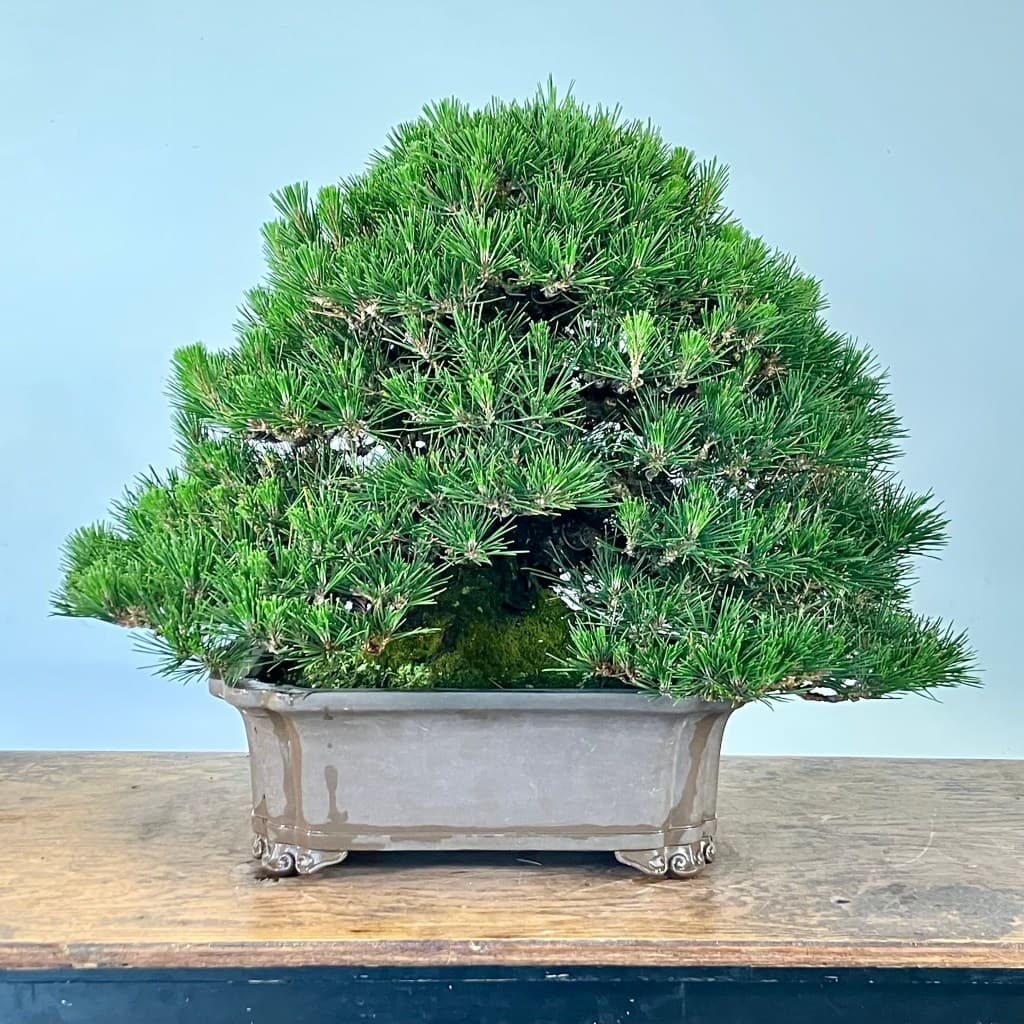
Michael Hagedorn’s June 5 guidance makes one thing unmistakable: decandling Japanese black pine is not a date on a calendar, it is a decision shaped by climate, tree strength, and branch position. In the Pacific Northwest, he says the work is being wrapped up in the first week of June, while in Los Angeles the same job would land much closer to July 4. That gap is the warning and the takeaway, because the technique only works when the tree has enough sun, heat, and energy to respond well.
Why timing changes by location
Hagedorn’s point is straightforward but easy to overlook in practice. A black pine in Portland, Oregon, and a black pine in Los Angeles, California, are not living through the same summer, even if they share the same species name and the same training goal. Decandling assumes strong sun and enough warmth, so the technique has to match the tree’s local growing season rather than some universal date on the bonsai calendar.
That is why his advice lands as more than regional commentary. In cooler summer climates or shadier settings, black pine may be better managed as a single-flush tree instead of being pushed through the more demanding decandling cycle. The message is clear: if the tree cannot reliably recover with vigor, forcing the issue can work against the very refinement you are trying to build.
What decandling is trying to produce
The broader bonsai conversation around decandling backs up Hagedorn’s seasonal framing. Bonsai Tonight describes the technique as removing spring growth so the tree replaces it with summer growth, and says it has been practiced for roughly half a century. The goal is not just to cut something off and hope for the best. It is a refinement tool used to create shorter needles, shorter internodes, and greater ramification, while also stimulating back budding.
That is why decandling matters so much in Japanese black pine work. Bonsai Tonight calls it the single-most important technique for developing beautiful pine bonsai, and Bonsaify describes it as a major method for long-term containment of mature Japanese black pine bonsai as well as a tool for establishing younger trees. In other words, this is not a casual maintenance step. It is one of the core choices that shapes how the tree will look and branch for years.
How the cut changes by branch strength
Hagedorn does not treat decandling as a one-size-fits-all chop. A candle is cut off, but not to the same length everywhere. Strong candles are left with longer stubs, while weaker candles are cut shorter, which helps manage energy and regulate regrowth. That adjustment matters because the tree’s vigor is rarely even from top to bottom, or from one side to another.
Needle removal follows the same logic. Hagedorn describes a graded pattern: fewer needles near the top, more in the middle, and even more on the lower branches. The aim is to counter apical dominance and keep the tree from pouring too much energy into its strongest areas. Bonsai Tonight gives a similar example, noting a tree where about five needles were kept per branch near the top and six to seven pairs were left on lower branches, showing how the work is calibrated to location on the tree as well as location on the map.
When not to decandle
Hagedorn’s caution is just as important as his timing advice. Very small candles should be left alone, because they are not strong enough to justify the same treatment. Dense ramification can also complicate the work, since adjacent shoots may vary widely in strength and respond differently after the cut. That is exactly the kind of detail that separates a thoughtful decandling plan from a blunt seasonal habit.
The species question matters too. Kusamura Bonsai Club is explicit that decandling is only appropriate for very healthy dual-flush pines such as Japanese black pine and red pine. It should not be used on single-flush pines. That boundary is essential, because the technique depends on the tree’s ability to push a second flush. If the species does not work that way, the practice is not refinement, it is misuse.
Feeding, pause, then rebuild the needles
Decandling does not end when the scissors close. Bonsai Tonight notes that growers often feed well in spring and again in fall, then pause after decandling before fertilizing again so the tree can focus on needle development. In one described sequence, fertilizer was held back for a month or two after decandling, then resumed heavily in fall.
That feeding rhythm lines up with Hagedorn’s broader emphasis on timing and energy. The tree needs enough strength beforehand to make decandling worthwhile, then enough restraint afterward to channel the response into the right kind of growth. Push too hard, too soon, and the balance the technique is meant to create can unravel.
The practical decision behind the seasonal cut
What makes Hagedorn’s guidance valuable is that it refuses to flatten decandling into a single rule. His June 5 post shows the technique as a series of decisions: is the tree strong enough, is the site warm and sunny enough, is this a branch that should be shortened more or less, and is this even a tree that should be decandled at all? That is the real seasonal warning for Japanese black pine.
For bonsai makers working through early summer, the lesson is not simply to act quickly. It is to read the tree and the climate together. In the Pacific Northwest, that window is already closing in the first week of June. In Los Angeles, it stretches later, closer to July 4. Get that timing right, and decandling does what it is supposed to do: redirect vigor, sharpen structure, and set up a balanced second flush instead of a weak or uneven one.
This article was produced by Prism’s automated news system from verified source data, official records, and press releases, then run through automated quality and moderation checks before publishing. The system is built and supervised by the people who set the standards it runs under. Read our full AI policy.
Did this article answer your question?