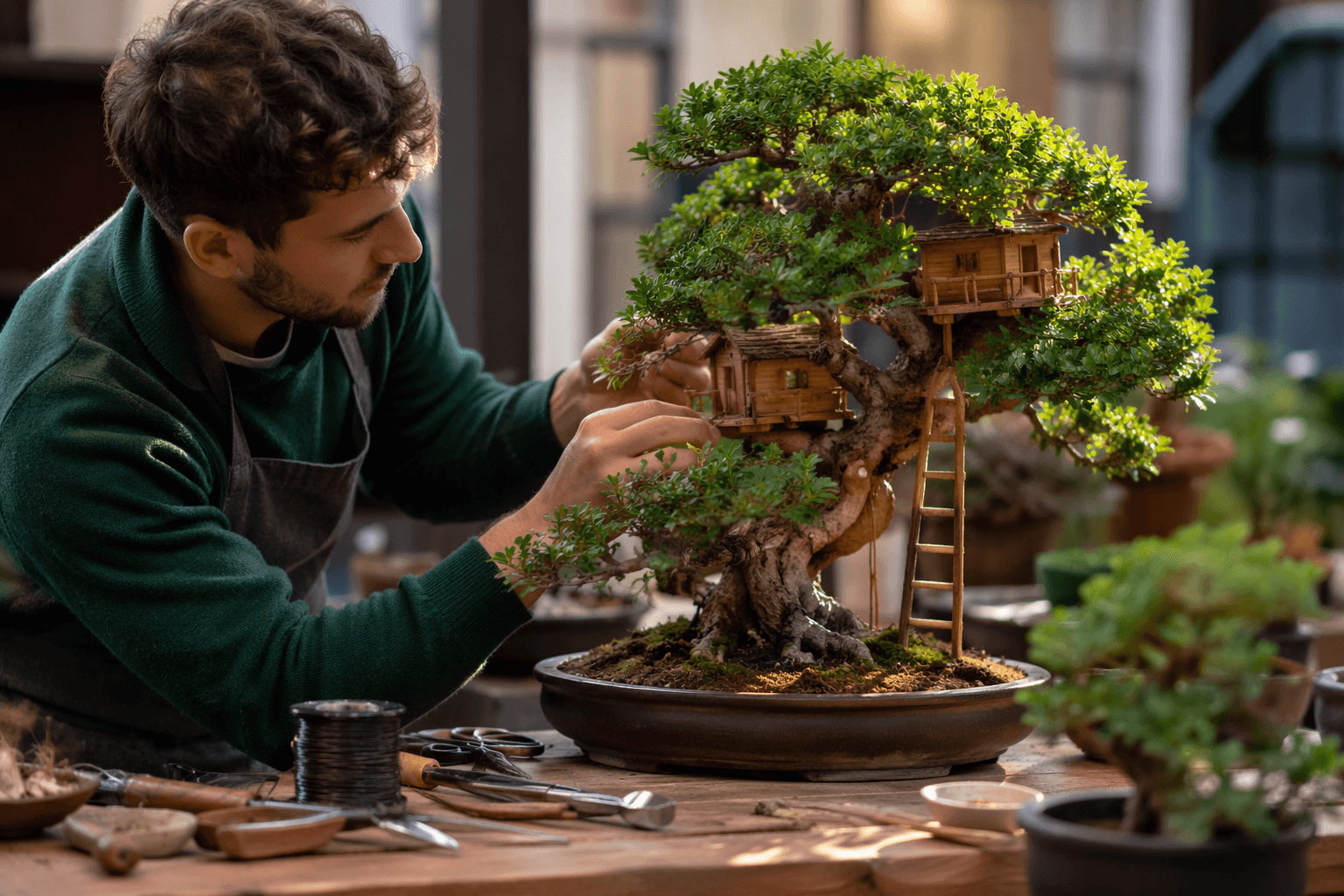
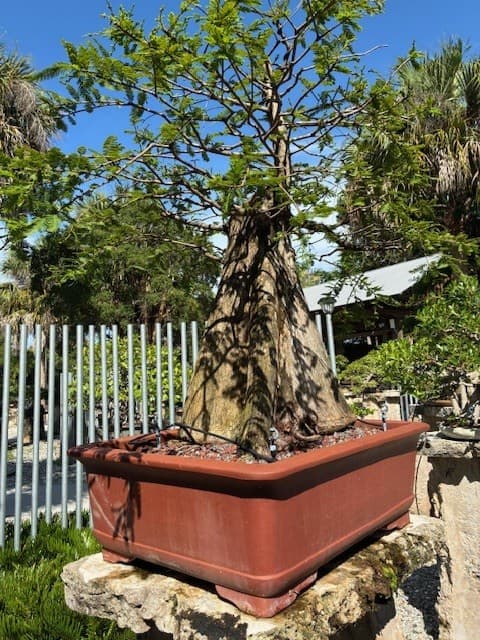
Harvard’s Larz Anderson bonsai trace early Japanese roots in America
Readers can still see the Larz Anderson bonsai at Harvard, where trees brought from Japan in 1913 anchor America’s oldest living collection. Their roots trace through Yokohama and Isabel Anderson.
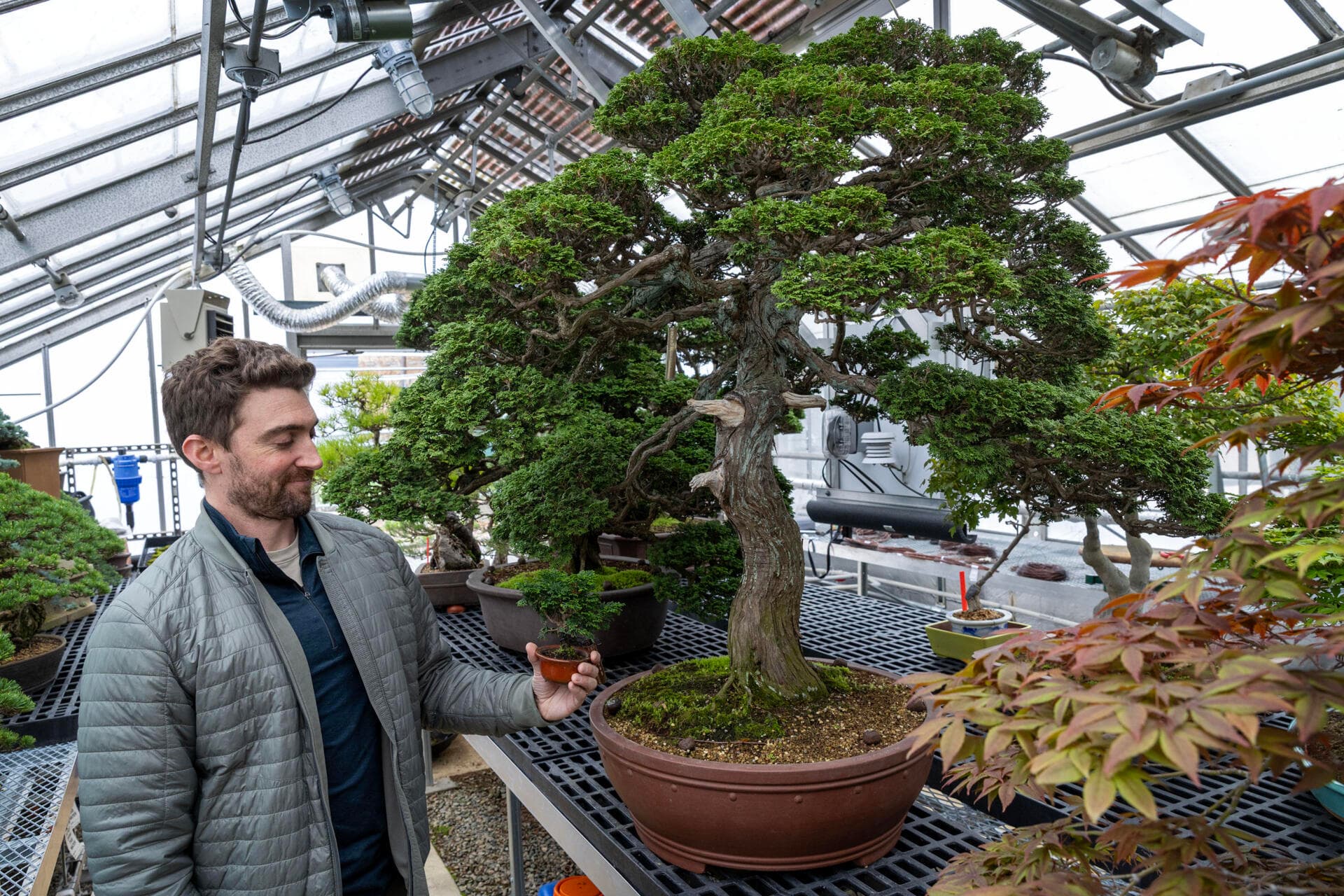
The Larz Anderson bonsai are still alive at Harvard’s Arnold Arboretum, and that is what makes their story so striking. These trees did not arrive as artifacts behind glass. They crossed the Pacific in 1913, survived generations of stewardship, and remain the clearest living link to the first wave of Japanese bonsai in America.
The trees that still define the collection
The Arboretum’s Anderson collection centers on compact hinoki cypress, the species known as *Chamaecyparis obtusa* ‘Chabo-hiba’. Harvard’s collection materials describe the core in slightly different ways, but the picture is consistent: a small group of venerable trees, each somewhere in the range of about 145 to 275 years old, still growing under cultivation today. The Arboretum calls them the oldest plants currently growing in North America that have been maintained this long.
That living age is the point. One historical essay ties individual Chabo-hiba specimens back to 1737, which turns the collection from a display into a record of continuity. The trees are not just old in the abstract. They are old enough to make bonsai stewardship feel less like weekend horticulture and more like custodianship across centuries.
How Larz Anderson brought bonsai into the United States
Larz Anderson imported the collection into the United States after returning from Japan in 1913, following his service as ambassador there. Harvard Archives says he brought at least forty trees from the Yokohama Nursery Company, which gives the collection its first firm trans-Pacific anchor. The trees that survive now are the best-known survivors of that shipment, but the archival record makes clear that the original import was larger and more ambitious than a single garden purchase.
The collection did not remain static after Anderson’s death in April 1937. Isabel Anderson, his widow, donated the major portion of the bonsai collection that same year, including 30 plants, and provided the funds needed to build a shade house for display. After her death, the remaining Anderson plants were donated in 1949. Harvard’s archival finding aid also notes a booklet of mounted photographs and other historical materials from the pre-1937 collection, which helps explain why the provenance of these trees is unusually rich and well documented.
Why the Yokohama Nursery Company matters
The Anderson bonsai are inseparable from the Yokohama Nursery Company, the firm that supplied them. The nursery was founded in 1890 by Uhei Suzuki and three other nurserymen in Yokohama, and it moved early to meet an international market. That same year it opened an office in San Francisco, followed by a New York branch in 1898 and a London branch in 1907.

Its role in making bonsai visible to Western audiences is just as important. In 1893, the nursery presented the first bonsai exhibit to Westerners at the World’s Columbian Exposition in Chicago. Harvard’s Arnoldia essay on the company’s catalogues also notes that the mid-1890s through the mid-1920s produced richly illustrated English-language catalogues, another sign that bonsai was already being translated for export, explanation, and sale. Anderson’s collection sits squarely inside that early commercial and cultural exchange.
A living collection that needs winter custody
The Larz Anderson bonsai are still treated as living plants, which means they require very specific care. A 2013 Boston University profile describes their winter storage in a concrete-block structure kept at 33 to 36 degrees Fahrenheit. That detail matters because it shows how much infrastructure is needed to preserve a tree that has already outlived several human generations.
The collection’s care also explains why bonsai culture rewards patience and exactness. These are not trees that can be handled casually or stored like objects in a museum drawer. They need temperature control, shelter, and constant attention, especially when a collection includes trees that began their lives long before Anderson brought them to Massachusetts. The shade house Isabel Anderson funded in 1937 was not an accessory. It was part of the preservation system that allowed the collection to survive into the present.
The Harvard collection in a wider bonsai landscape
Harvard’s Anderson trees are not the only public bonsai collection in the United States, but they are among the oldest and most historically layered. The U.S. National Arboretum’s National Bonsai & Penjing Museum began with a 1976 gift of 53 bonsai trees from Japan for the U.S. Bicentennial, along with 7 viewing stones selected by the Nippon Bonsai Association with financial assistance from the Japan Foundation. The museum now displays more than 300 specimens across three pavilions and a special exhibits gallery, and the National Bonsai Foundation identifies it as the first museum in the world devoted to the public display of bonsai.
That context makes the Anderson collection even more revealing. Harvard’s trees represent an earlier chapter, when bonsai crossed into the United States through diplomacy, nurseries, and private collecting before public bonsai institutions existed. The National Bonsai & Penjing Museum shows how far the art has spread in public view; the Arnold Arboretum shows where some of the oldest American-rooted living examples first took hold.
Walk through the Anderson collection today and you are not looking at a relic of a finished past. You are looking at a chain that still holds, from the Yokohama Nursery Company to Larz and Isabel Anderson to the Arboretum’s winter storage room, where the temperature stays between 33 and 36 degrees Fahrenheit so the trees can keep going.
This article was produced by Prism’s automated news system from verified source data, official records, and press releases, then run through automated quality and moderation checks before publishing. The system is built and supervised by the people who set the standards it runs under. Read our full AI policy.
Did this article answer your question?