Japan's Sakkafu-ten puts bonsai caretakers in the spotlight
Sakkafu-ten shifts bonsai prestige to the caretakers who keep elite trees alive, then names them on the award cards. Its autumn judging and December show make that labor visible.
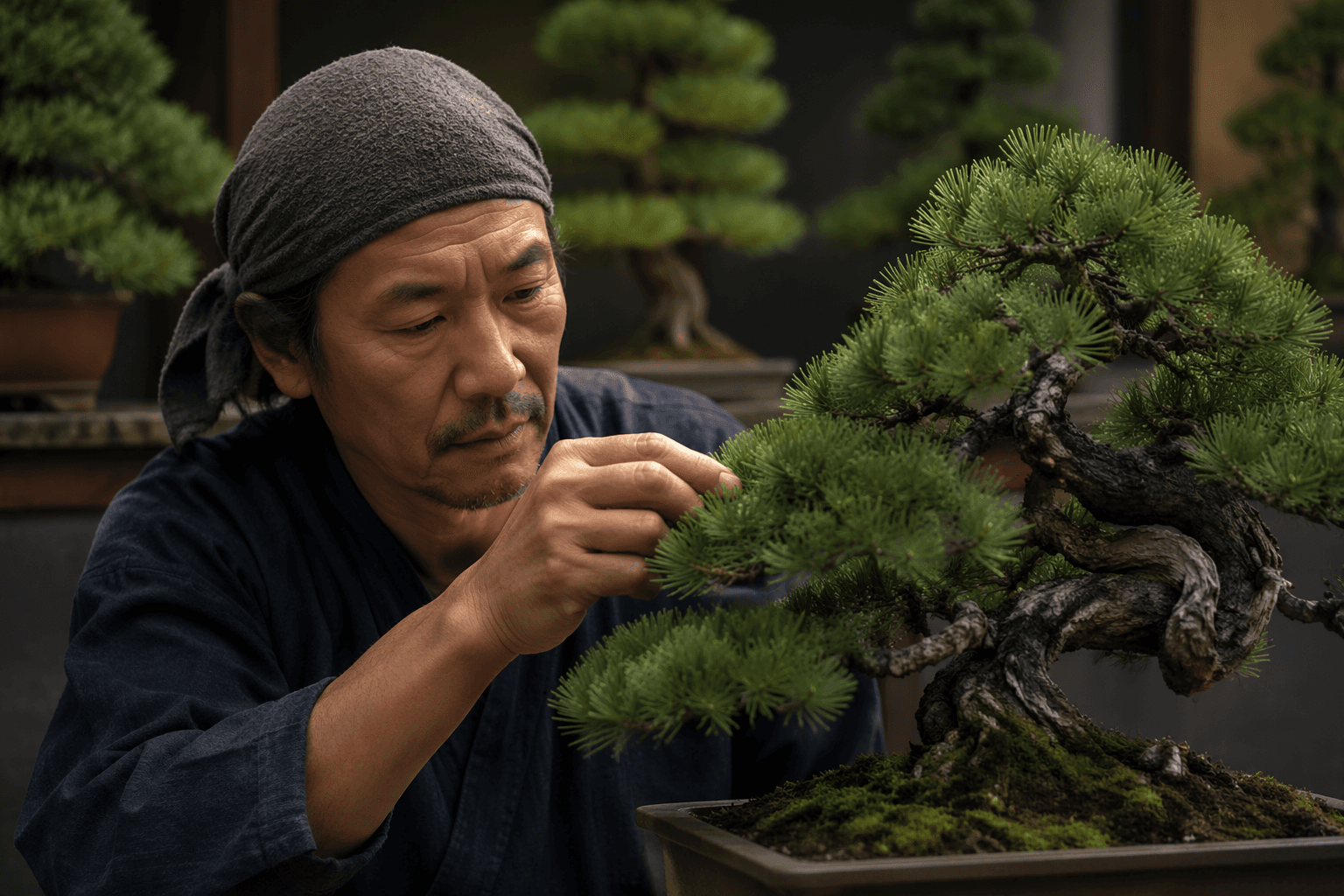
Japan’s Sakkafu-ten matters because it puts the name on the work, not just on the tree. In a bonsai culture where the owner often gets the public credit, this professionals-only exhibition gives recognition to the artists who keep top material alive, refine it, and push it toward show condition over years of daily care.
What makes Sakkafu-ten different
Sakkafu-ten, also rendered Sakufu-ten, is the rare Japanese bonsai exhibition where professional growers belonging to the Japan Bonsai Association can exhibit trees under their own names. That detail changes the whole meaning of the show. Instead of treating the tree as a prestige object attached to a patron, it makes the caretaker visible as the maker of the finished image.
The Japan Bonsai Cooperative describes the show as a selection of award-winning works chosen through strict judging from trees built up through members’ advanced technique and daily effort. That framing is important in bonsai, where excellence is rarely the result of a single styling session. It is the accumulation of maintenance, sacrifice, recovery, wiring, pruning, and restraint, often across many seasons.
How the show is staged
The process begins long before the public display. Professionals submit trees for autumn judging, and the winners are identified soon after. The trees are also photographed at that stage, then returned to Tokyo a month or two later for the December exhibition.
The judging window has been described as mid-October, with the exhibition itself held at the Green Club in Tokyo in December. The 51st Sakufu-ten was listed for December 12 to 14, 2025, at Ueno Green Club in Taito-ku, Tokyo, with admission set at 700 yen. The venue sits in Ueno, and the exhibit has been described as occupying the first two floors of the building.
That layout matters because the show is not a casual local display. Ueno Green Club functions as the headquarters of the Bonsai Growers Cooperative and has an event hall used for bonsai exhibitions and other displays. The setting reinforces the show’s trade identity: this is a space built for working professionals, not only for collectors or casual visitors.
The trees tell the story of the labor
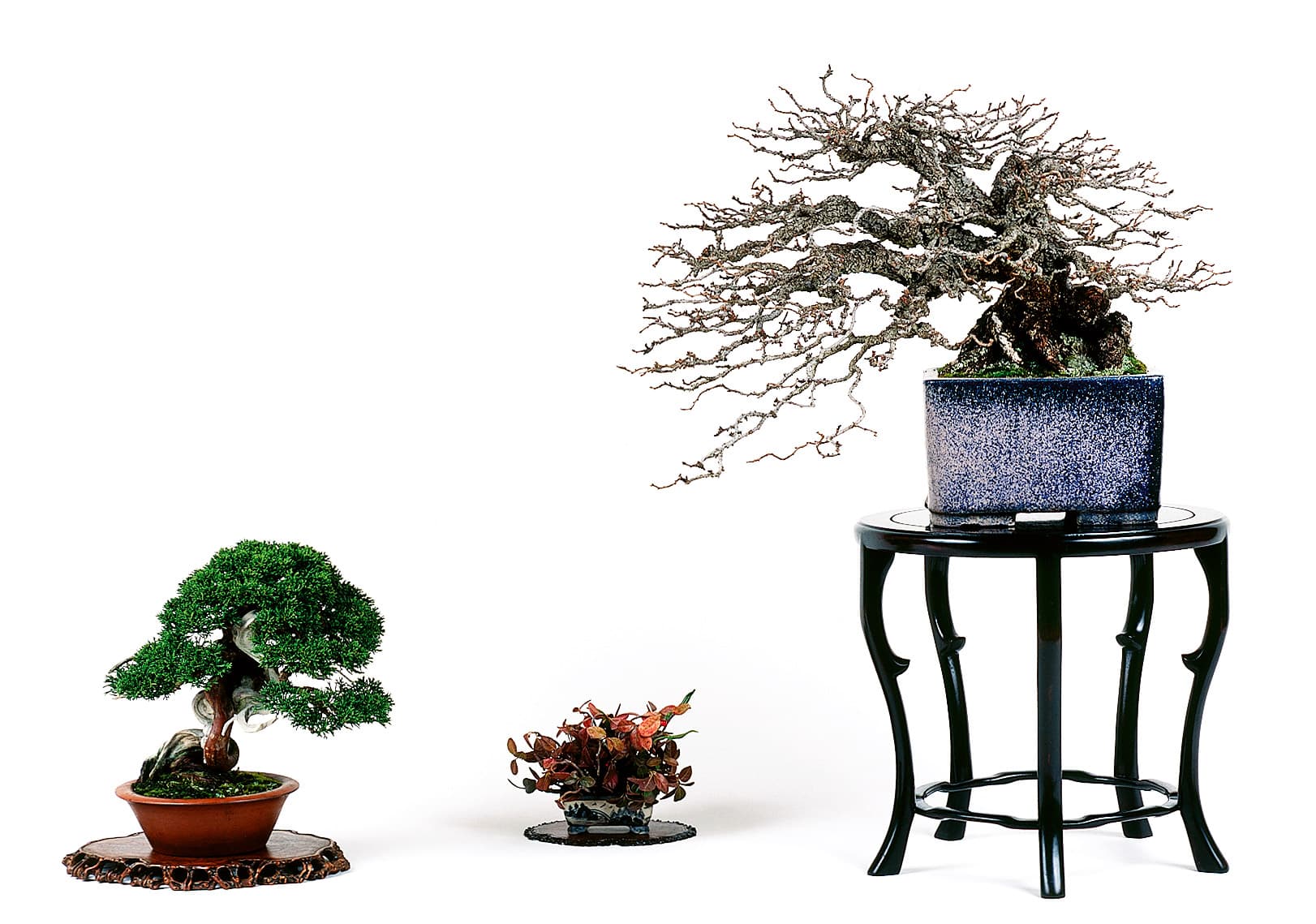
The best examples from the show are compelling precisely because they reveal what long-term caretaking can accomplish. Tomoya Nishikawa’s Chojubai won Best chuhin, and its backstory makes the award more than a styling trophy. The tree had been near death ten years earlier before being nursed back to health, which turns the final display into a record of recovery as much as design.
Shoichi Imai’s Prunus mume shows a similar kind of transformation, but through a different kind of discipline. It was rescued from neglect and then dramatically bent and refined over months. That kind of work is the quiet backbone of professional bonsai: not just shaping a healthy tree, but rebuilding one that might otherwise have been lost.
Minoru Akiyama’s five-needle pine on rock pointed in another direction. Its composition was looser and more characterful, yet still balanced and intentional. That combination is easy to misread if you only look for tight symmetry or obvious technical polish. In Sakkafu-ten, that softer balance still reads as mastery because the tree feels composed rather than forced.
Why attribution matters in bonsai
The show’s real lesson is not only aesthetic, it is ethical. Bonsai often travels publicly under the name of the owner, even when the day-to-day work has been carried out by a professional grower over many years. Sakkafu-ten pushes back against that habit by making the caretaker the credited artist.
That matters because elite bonsai is built on invisible labor. A tree can take years to recover from neglect, to regain strength after styling, or to develop enough character for a major show. By the time it reaches a public exhibition, the person who has maintained its health and direction may be the one least visible to the audience. Sakkafu-ten corrects that imbalance in a very direct way.
How it fits into Japan’s exhibition circuit
Sakkafu-ten sits inside a dense Japanese bonsai calendar that includes major shows such as Kokufu-ten, Gafu-ten, Shuga-ten, and Taikan-ten. That broader circuit shows how seriously bonsai recognition is organized in Japan. Prestige does not come from one annual moment; it is spread across multiple exhibitions with different purposes, audiences, and standards.
Within that system, Sakkafu-ten serves a distinct function. It is the place where professionals are judged not only on the quality of the tree in front of the viewer, but on the long stretch of work that got it there. For the trade, that kind of recognition is valuable because it records authorship where bonsai too often blurs it.
The final shohin discussion drives the point home. Small-tree display leaves little room for error, and the show’s closing note about not letting one’s own taste become too narrow is a reminder that judgment in bonsai has to stay flexible. Sakkafu-ten rewards that flexibility, along with the patience to restore, refine, and wait until the work is ready to be seen under the right name.
This article was produced by Prism’s automated news system from verified source data, official records, and press releases, then run through automated quality and moderation checks before publishing. The system is built and supervised by the people who set the standards it runs under. Read our full AI policy.
Did this article answer your question?