Longwood Gardens Offers Bonsai Care and Design Class for Gardeners
Longwood is treating hardy bonsai as a real craft, not a quick project, with an adult class tied to a collection of more than 150 trees and a major festival ahead.
Hardy bonsai is the practical way in
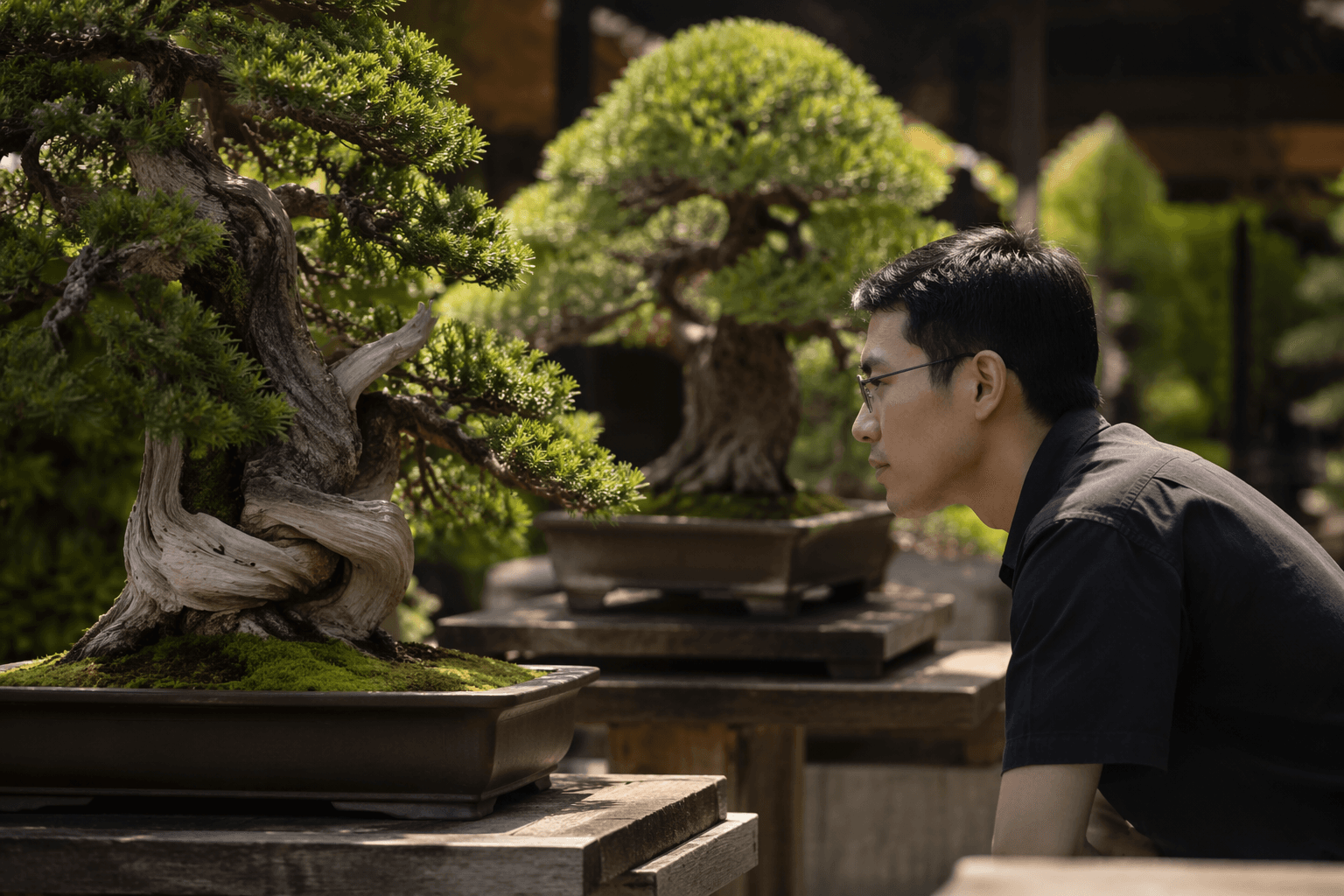
Longwood Gardens is making a clear case that bonsai belongs in serious horticultural training, not just on a display shelf. Its Bonsai 1: Hardy class was built around the care and culture of bonsai, with design and maintenance framed as the work of shaping what Longwood calls sculptured treasures.
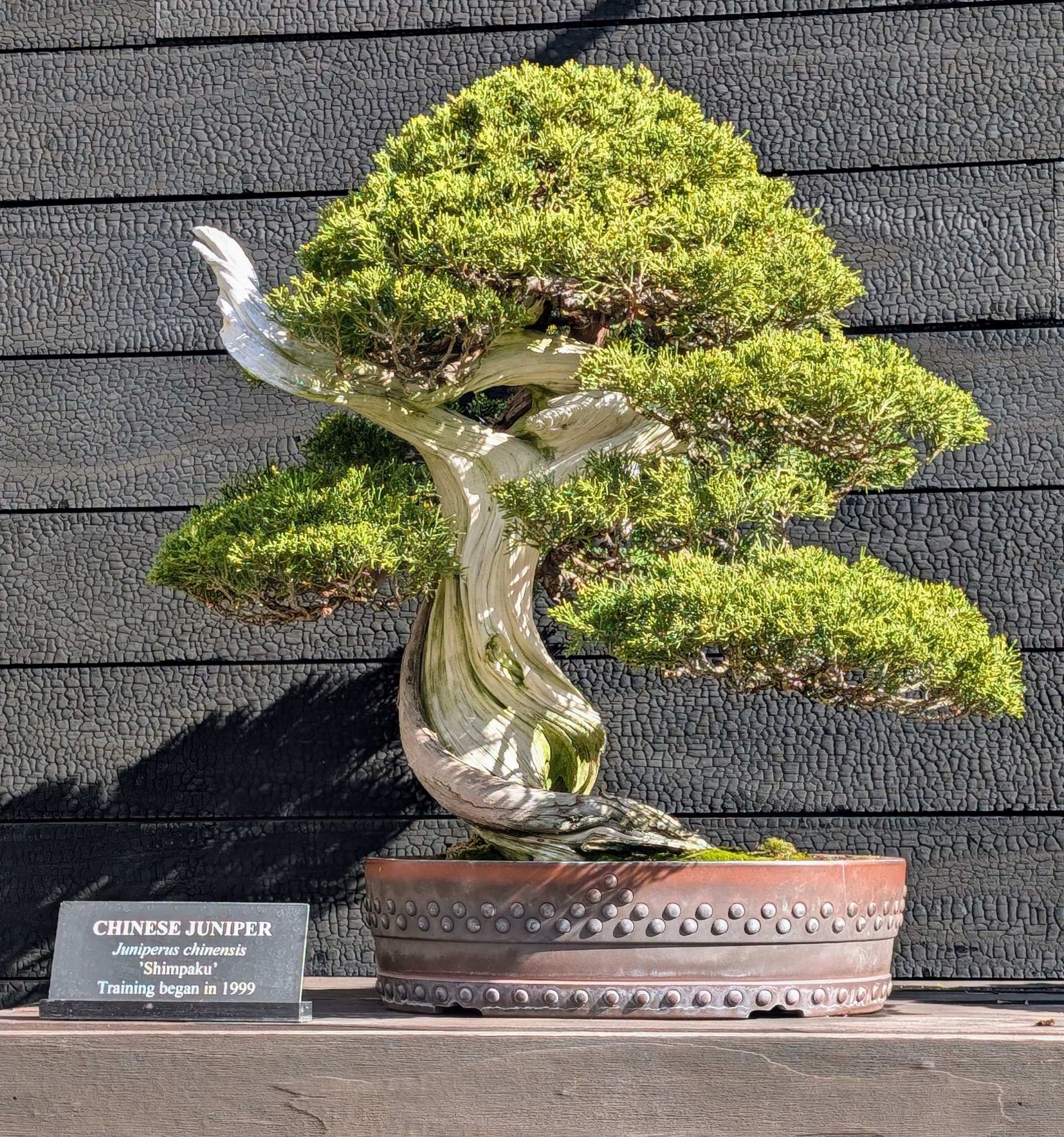
That distinction matters for anyone deciding where to begin. Hardy material is the sensible entry point because it gives you room to learn the fundamentals of wiring, pruning, watering, and long-term structure without immediately dealing with the fragility that can make more delicate bonsai a punishing first project. In other words, this is the class for someone who wants a real foundation, not a novelty workshop that ends as soon as the tree goes home.
What the class actually offered
The class was scheduled for Saturday, April 11, 2026, in two sessions, 8:00 am to 12:00 pm and 1:00 to 5:00 pm. Longwood listed it as an adult learning experience, priced at $229, or $206 for Innovators, Gardens Preferred, and Gardens Premium Members, with all-day admission to the Gardens included in the fee.
That package tells you a lot about how Longwood thinks about bonsai education. This was not a drop-in demo or a casual make-and-take afternoon. It was a structured day built to give gardeners enough time to absorb the process, see the trees in context, and connect the technical side of bonsai with the larger garden setting around them.
The class was also marked as registration closed, which is its own signal of demand. In a crowded field of online tutorials and quick-hit social media clips, a sold-out in-person session at a major public garden suggests that many gardeners still want direct instruction, real material, and a setting where the trees are part of a living collection rather than a camera angle.
Why Longwood is a different kind of classroom
The bigger story is not just that Longwood offered a bonsai class. It is that bonsai sits inside a broader horticultural education program that also includes floral design, landscape photography, plant care, and seasonal gardening instruction. That mix tells you bonsai is being treated as one branch of a larger design and cultivation curriculum, not as a niche hobby isolated from the rest of the garden arts.
Longwood’s own collection gives that lesson weight. The garden says its bonsai collection is recognized for artistic and horticultural excellence, and today it features more than 150 trees in 14 distinct styles. Four of the original bonsai purchased from Yuji Yoshimura still remain: Japanese zelkova, ginkgo, crape-myrtle, and Chinese elm. Since 1959, the collection has been managed by only six curators, a small number that says a great deal about continuity, standards, and institutional care.
For a bonsai student, that matters more than a pretty display. A class inside a garden with this kind of continuity teaches something a video cannot: how a collection survives across decades, how style and health are balanced over time, and why bonsai is as much about stewardship as it is about artistry.
The people behind the benches
Longwood’s current bonsai curator and specialty grower, Kevin Bielicki, has curated the collection since January 2018. Before that, he spent more than 12 years helping maintain The Kennett Collection, which Longwood describes as the finest and largest private collection of bonsai outside Asia.
That background helps explain why Longwood can offer a class that goes beyond basics. Bielicki’s work sits at the center of a living program that connects public instruction with high-level collection care. Earlier Bonsai 1 material also paired him with bonsai expert Steve Ittel, and students were told they would learn the history of Longwood’s storied bonsai collection alongside them.
The teaching lineage is important. A beginner class is not just about getting a first tree started. It is also about seeing how experts think about material, timing, and design choices. When a garden brings in people with that kind of depth, the student gets more than a lesson. The student gets a point of view.
A workshop culture, not a one-off class
Longwood’s bonsai program reaches far beyond a single day on the calendar. The garden says its Bonsai Workshop prepares and refines a collection of nearly 200 bonsai trees and houses more than 500 artisanal pots. That scale suggests an operation built on repetition, maintenance, and an eye for detail, all of which are essential if you want to keep a bonsai collection alive and aesthetically coherent.
The garden has also shown that it can turn bonsai education into a long-form project. In 2024, a chrysanthemum bonsai workshop brought together 20 Longwood staff and students over 26 weeks to create 24 first-year chrysanthemum bonsai of 13 cultivars. That is the opposite of instant gratification, and that is exactly why it is useful. It shows how much labor, planning, and seasonal patience sits behind a finished bonsai display.
For gardeners weighing whether to learn from a structured course or figure it out through scattered online clips, that difference is the takeaway. A class like Bonsai 1: Hardy places you inside a system where technique, timing, and material are handled with discipline from the start.
A larger bonsai moment is building
Longwood is not stopping at classes. It announced its inaugural Bonsai Festival for June 24 to 29, 2026, a six-day event featuring regional clubs from the Tri-State area, displays, demonstrations, lectures, vendors, an auction, and awards. That is the kind of destination programming that turns a specialty craft into a regional gathering point.
The setting reinforces the message. Longwood’s Bonsai Courtyard is described as a contemplative, curated, ever-changing space with cherry trees and prized azalea specimens, which places bonsai in a public landscape designed for close looking rather than quick passing. For anyone curious about hardy bonsai, the lesson is clear: the best way to start is with a tree that can teach you, a teacher who has lived the work, and a garden that treats the art form as something meant to endure.
This article was produced by Prism’s automated news system from verified source data, official records, and press releases, then run through automated quality and moderation checks before publishing. The system is built and supervised by the people who set the standards it runs under. Read our full AI policy.
Know something we missed? Have a correction or additional information?
Submit a Tip