Lynden bonsai exhibit opens season-long public display by Big Lake
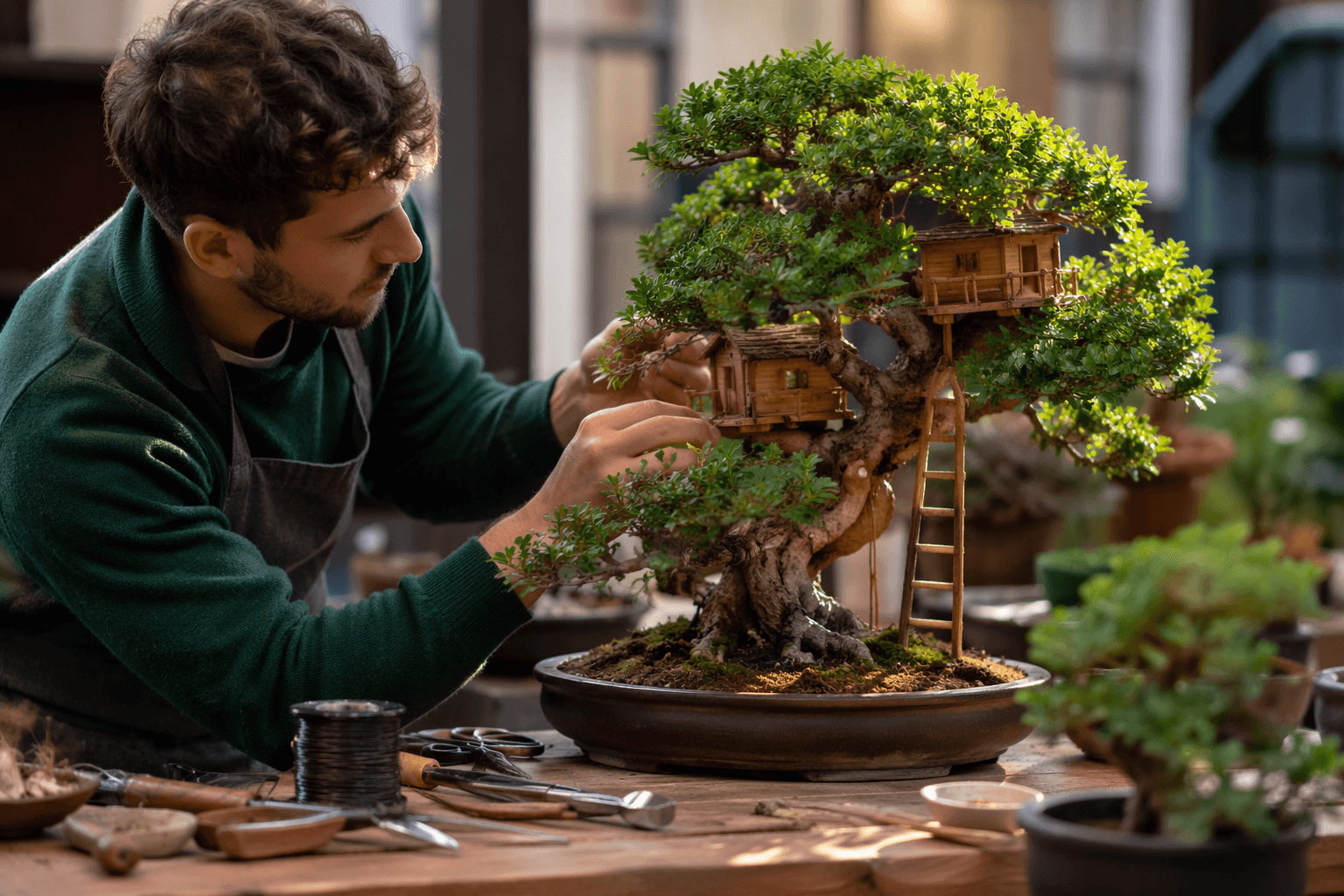
Lynden’s bonsai season is back by Big Lake, and this year the exhibit feels bigger than a display. It is a public classroom, a club showcase, and a long-running collaboration built for repeat visits.
Lynden’s bonsai season opens as a living public gallery
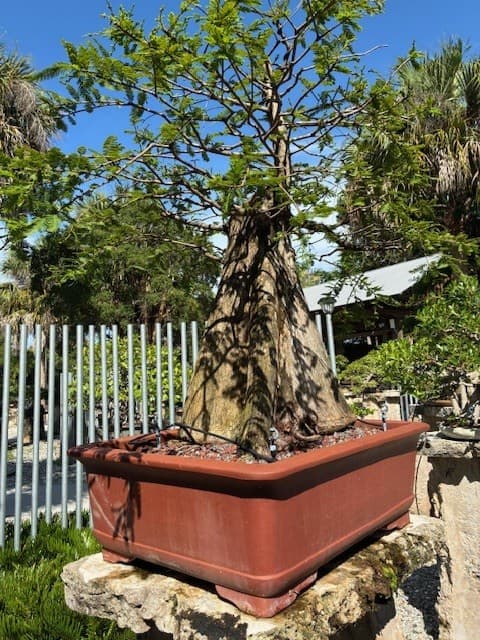
The bonsai trees at Lynden Sculpture Garden are not arriving for a weekend and disappearing again. They are settling in for a season-long public display beside Big Lake, where the exhibit opened on Saturday, May 9, 2026, World Bonsai Day, and will remain open through early autumn. Open Wednesdays, Saturdays, and Sundays from 10 a.m. to 4 p.m., or by appointment, the Bonsai Pavilion turns the garden into a place where casual visitors can wander in more than once and see how a collection changes as spring deepens into summer.
That long window is what makes the exhibit matter now. Bonsai is never quite finished, and Lynden is leaning into that reality by presenting the collection as something to return to, not just something to check off. New growth, seasonal trimming, weather shifts, and the simple passage of weeks all change the look of the trees, which gives this public display the feel of a working gallery rather than a frozen installation.
A collaboration built for access, not insiders only
Bonsai at Lynden is presented through a collaboration among Lynden Sculpture Garden, the Milwaukee Bonsai Foundation, and the Milwaukee Bonsai Society, with support from the Midwest Bonsai Society. That mix matters because it places the exhibit at the intersection of a public arts venue and a regional bonsai network, giving the collection a stable home while keeping the door open for education and outreach.
The Milwaukee Bonsai Foundation says its mission is to assemble, organize, and maintain the Milwaukee Bonsai Collection, with special emphasis on specimens native to Wisconsin and on exhibiting the collection to the general public. In practice, that means the exhibit is not just about display quality. It is also about stewardship, public access, and making sure a serious collection can be seen by people who may never have walked into a club meeting or judged a show.
Why Lynden is such a natural fit
Lynden itself gives the exhibit a setting that strengthens the message. The garden spans 40 acres of park, lake, and woodland and includes more than 50 monumental sculptures, so bonsai is not being isolated from the rest of the landscape. Instead, it is being placed in conversation with a site already shaped by art, scale, and outdoor experience.
Lynden says there is a deep affinity between sculpture and bonsai, especially in shared concerns with scale, form, and proportion. That is more than a neat curatorial phrase. In this venue, the trees sit in a place that already asks visitors to look closely at shape, balance, and the relationship between object and environment, which is exactly the kind of attention bonsai rewards.
The pavilion, the changing house, and the collection’s home
The Bonsai Pavilion houses the Milwaukee Bonsai Foundation collection, and Lynden says it is open from May to October on the same Wednesday, Saturday, and Sunday schedule, plus appointments. The exhibit area sits in the centrally located Changing House, between two ponds, a placement the foundation describes as the most logical and intriguing spot on the property.
That location gives the collection a sense of permanence while still letting it feel rooted in the garden around it. The setting between the ponds also reflects how carefully this project was thought through, not as an afterthought but as a space designed to serve both the trees and the people coming to study them.
The foundation’s history makes that long arc clearer. Fundraising for the collection began in 2013, the money was raised in sixteen weeks, and opening day at Lynden came in June 2017. From that point forward, the exhibit has evolved into a recognizable public home for bonsai in Milwaukee, one that now returns each season with its own rhythm and audience.
What’s new in 2026
The Milwaukee Bonsai Society’s 2026 exhibit at Lynden is billed as its 55th annual exhibit and its fifth at Lynden, which shows how the partnership has matured. In 2025, the society’s show was described as its 54th annual exhibit and its fourth at Lynden, so the 2026 return marks another step in a long-running relationship between club and venue.
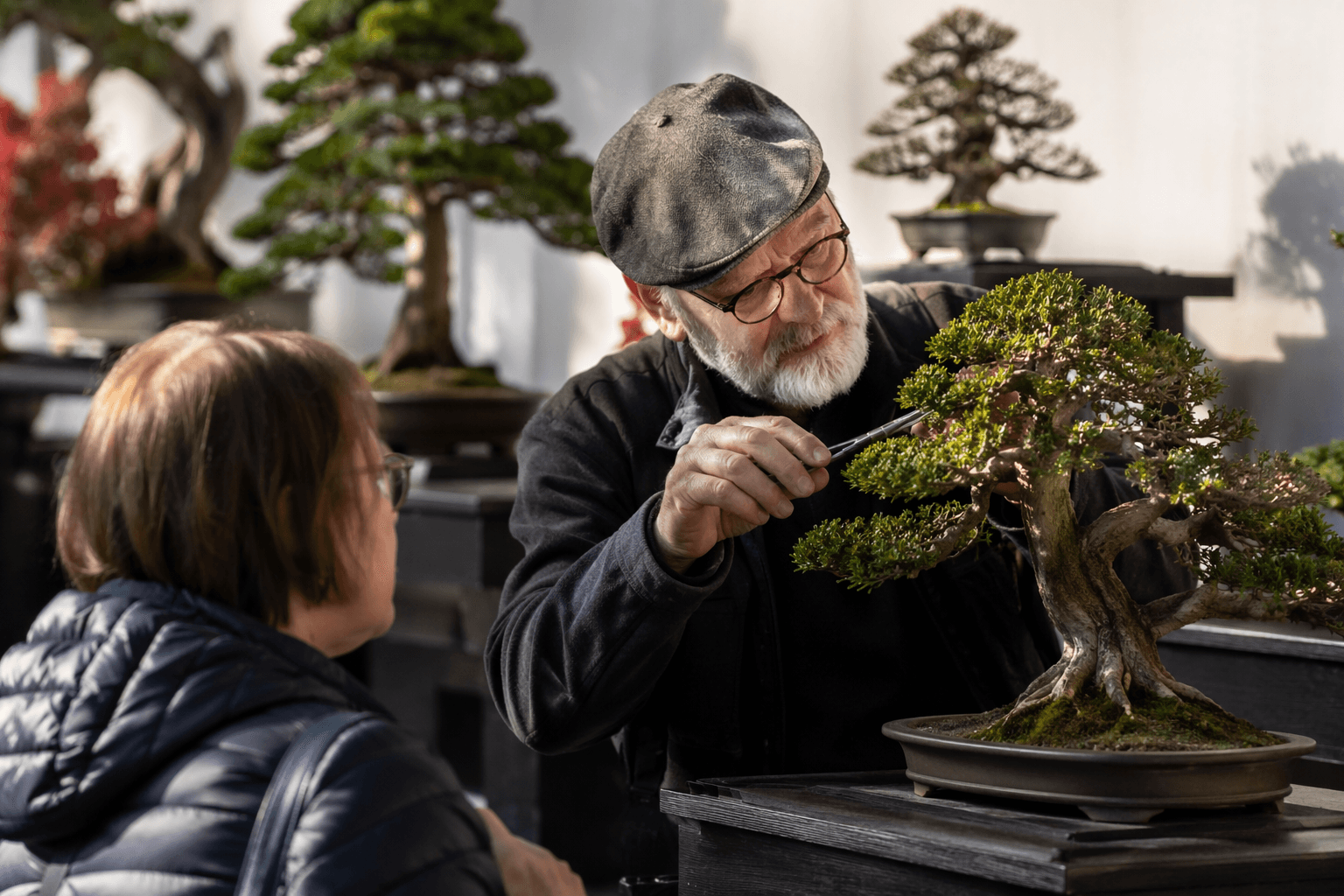
This year’s exhibit page says more than forty trees will be judged by visiting experts, including guest artist and former ballerina Jennifer Price. That detail gives the show an edge that collectors will notice right away: it is not just a viewing opportunity, but a serious display where trees are evaluated in front of knowledgeable eyes.
The exhibit page also points to the kind of atmosphere visitors can expect around the trees. Food trucks, beverages, raffles, and vendors selling trees and bonsai supplies turn the day into a social gathering as well as a horticultural one. For a casual visitor, that means the exhibit is approachable; for someone already in bonsai, it means there is enough happening on site to make the trip feel like a community day, not only a gallery stop.
A season with room for learning
Lynden’s calendar includes a Bonsai for Beginners workshop on June 6, 2026, which makes the exhibit feel even more like an institution-led public education program. The workshop sits naturally beside the display: one invites people to admire finished work, and the other gives them a way into the craft.
That combination is important for how bonsai reaches beyond its core audience. A person who comes for the trees by Big Lake can also encounter the vocabulary, care, and design thinking that make the practice so absorbing. The exhibit becomes a bridge between looking and learning, which is exactly where bonsai often wins new supporters.
World Bonsai Day gives the reopening its meaning
The timing of the reopening is not accidental. Lynden says World Bonsai Day was created in 2010 to honor bonsai master Saburo Kato, and describes the day as one for sharing the peaceful, living art of bonsai and advancing international friendship and goodwill. Reopening the exhibit on that date gives the season a ceremonial start while tying the local collection to a larger bonsai tradition.
That is what makes the exhibit feel bigger than a calendar entry. It is a Milwaukee gathering point for a global art form, hosted in a garden that understands the overlap between sculpture and living form. By the time the pavilion settles into its May-to-October rhythm, the hook has already been set: this is a place where bonsai is not hidden away for insiders, but opened to the public as a season-long conversation beside the water.
This article was produced by Prism’s automated news system from verified source data, official records, and press releases, then run through automated quality and moderation checks before publishing. The system is built and supervised by the people who set the standards it runs under. Read our full AI policy.
Did this article answer your question?