Minnesota Bonsai Society promotes spring auction with rare tree lots
Collected pines, maples, shimpaku and an old wisteria will headline the Minnesota Bonsai Society’s June 27 auction, where viewing starts at 10 a.m.
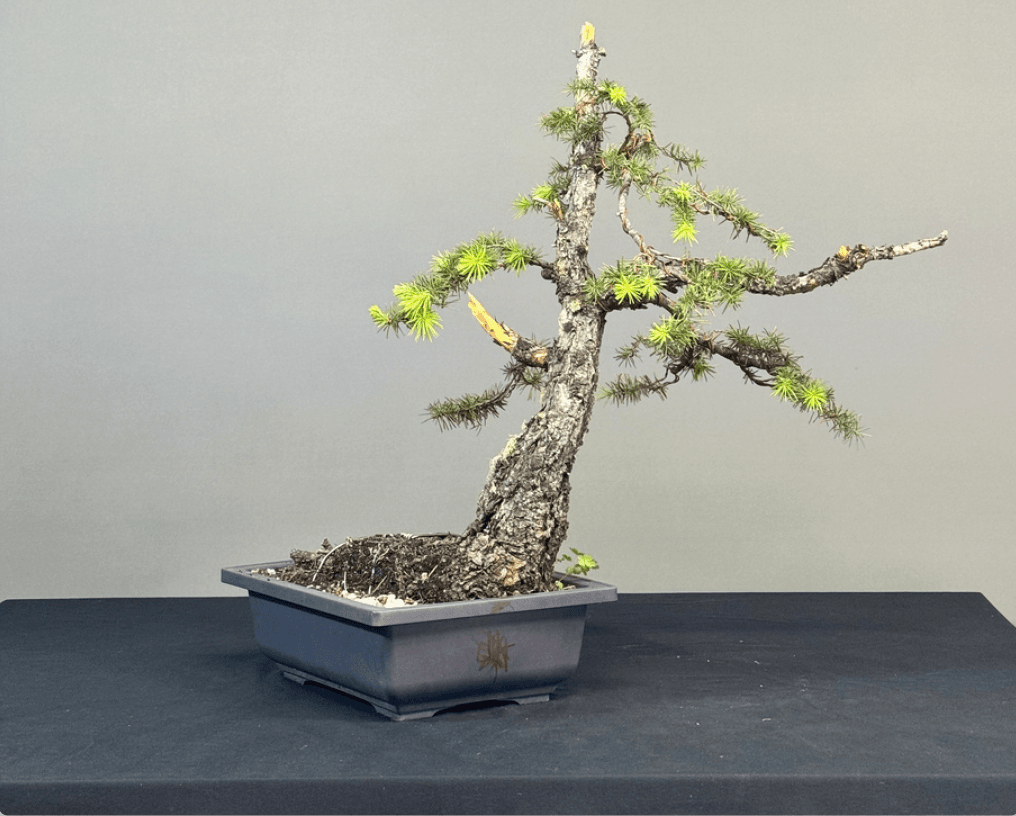
Collected Douglas firs, a ponderosa pine, a Colorado blue spruce and an old wisteria will be among the trees drawing the closest looks at the Minnesota Bonsai Society’s spring auction in Stillwater. The club is using a fresh brochure to turn the sale into a buyer’s guide in its own right, with viewing set for 10 a.m. and bidding to follow at 11 a.m. at the Washington County Fairgrounds.
The sale is open to the public, but the rules matter as much as the trees. Buyers will need to check in for a free bidder number, which is required for both live and silent bidding, and the society says the event will accept credit card, cash and check. Free parking is part of the draw, too, making the auction easy to attend for anyone trying to see what local bonsai material looks like before the hammer falls.
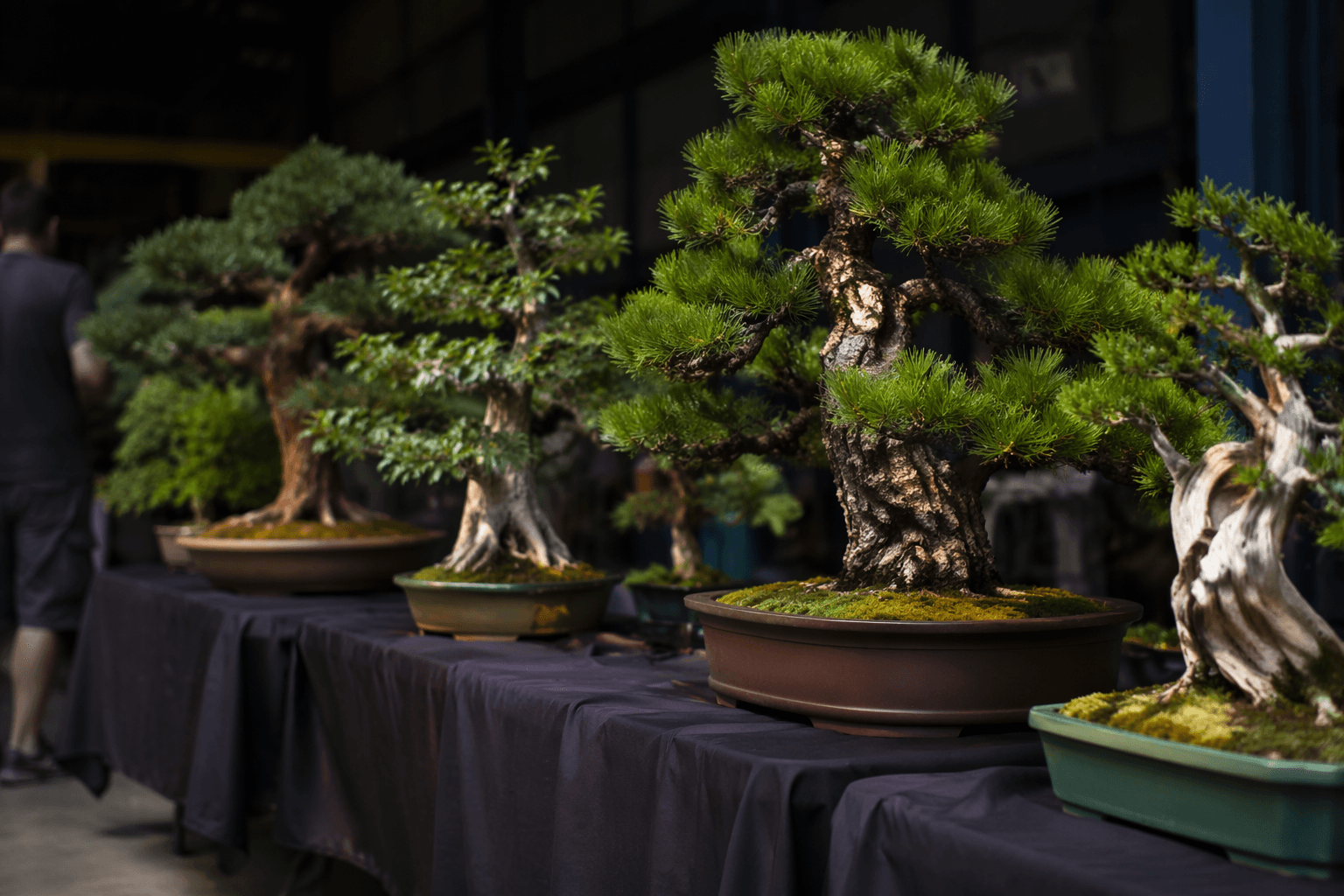
For newcomers, the brochure is useful because it shows what a bonsai auction really is: a place for finished material, work in progress and shop items to circulate back through the community. The society says auctions are one of the best ways to find new material for a collection or make room on benches, and its offerings can include styled trees, raw plant material, tools, pots, books and supplies. The brochure’s lot list, which also includes Japanese flowering apricot, shishigashira maples, a trident maple, shimpaku and red cedar, gives buyers a look at different stages of development, from collected material to trees that have already seen years of work.
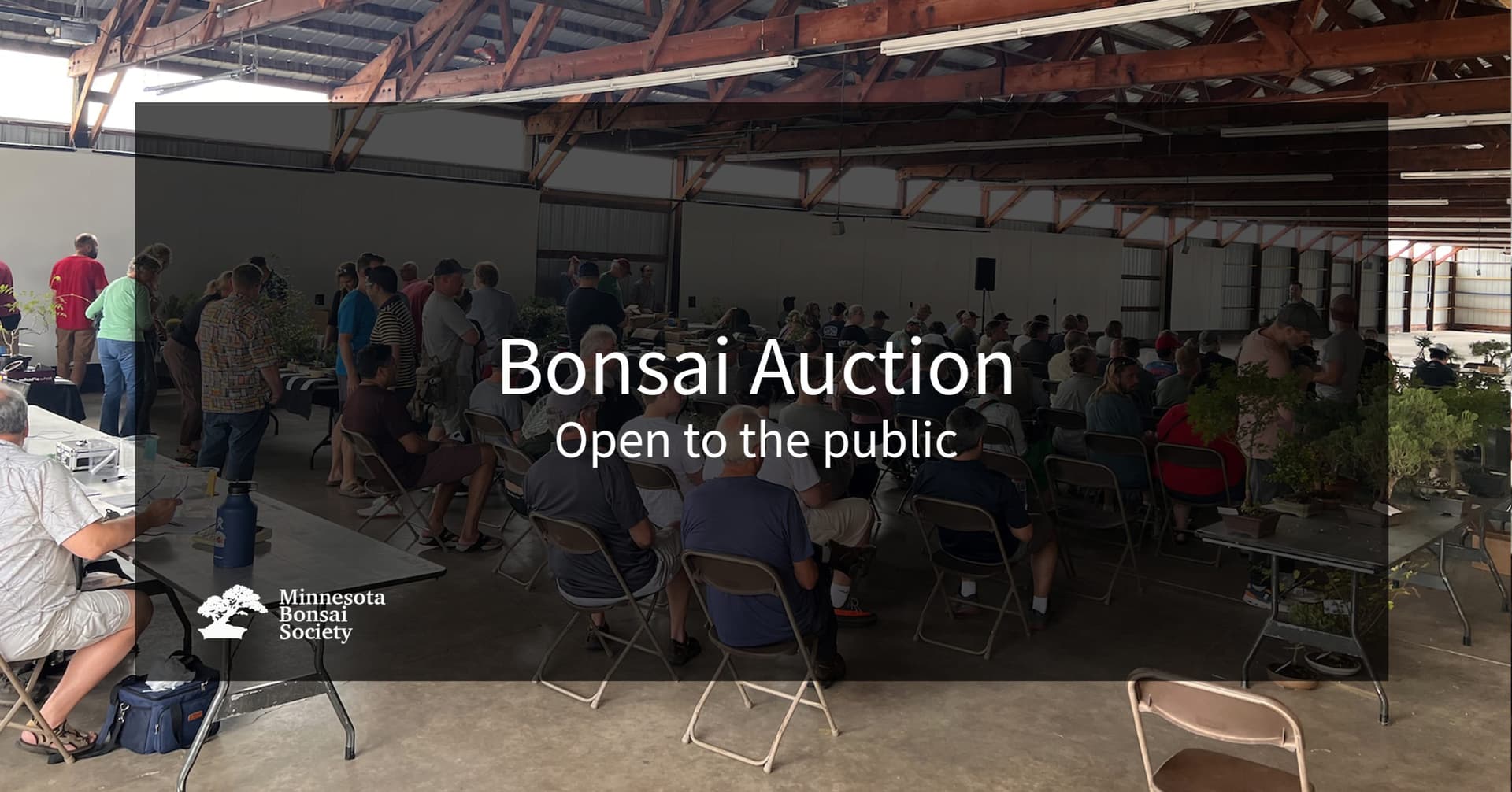
The practical rules are where first-time bidders can save themselves from an expensive mistake. Sellers must prepare 3-by-5 hard-stock cards, keep plant material free of weeds and outside soil, and avoid bringing dripping-wet trees because moisture can damage the bidding cards. Every sale is as is, and the silent auction depends on staying organized, reading the cards closely and knowing when a tree fits a collection and when it only looks ready. The society also says only members may offer items for sale, and it retains a percentage of each sale to help fund other events.
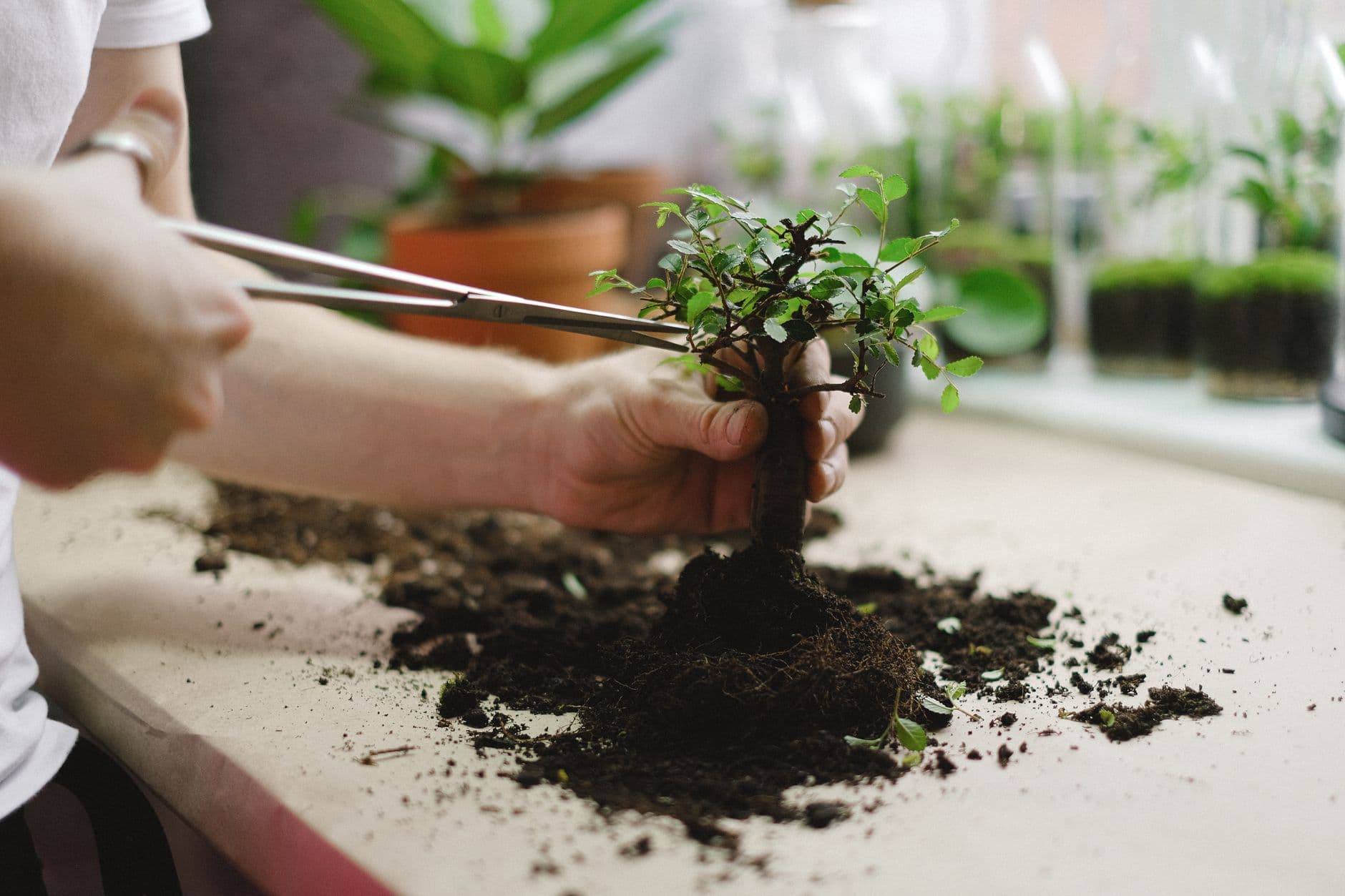
Founded in 1971, the Minnesota Bonsai Society says its mission is the promotion and delivery of bonsai education, outreach and programming for all skill levels, from novice to expert. That pipeline shows up in the club’s $95 beginner workshop, which includes a tree, pot, supplies and instruction, and it helps explain why the auction sits at the center of club life. The same bench that starts with a workshop tree can eventually feed the auction table, and that is the real appeal of a room full of labeled pines, maples and junipers waiting for a new hand.
This article was produced by Prism’s automated news system from verified source data, official records, and press releases, then run through automated quality and moderation checks before publishing. The system is built and supervised by the people who set the standards it runs under. Read our full AI policy.
Did this article answer your question?