Omiya Bonsai Festival 2026, masterpieces, markets and rare nursery finds
Omiya’s bonsai district opens its private gardens, street market and shrine displays for a three-day Golden Week pilgrimage. Bring a camera, a shopping list and an early start.
Why Omiya matters now
The Omiya Bonsai Festival turns a quiet residential pocket of Saitama into one of the most concentrated bonsai gatherings on the calendar, and this year’s 43rd edition runs from May 3 to May 5, 2026, from 9:00 a.m. to 5:00 p.m. The draw is not just the number of trees on show, but the way the whole village works as one living bonsai district, with exhibition, commerce and community all happening within a few walkable blocks in Bonsaicho, Kita Ward, Saitama.
That sense of place matters because Omiya Bonsai Village is celebrating the legacy of a district that began in 1925, when bonsai gardeners moved from Tokyo after the Great Kanto Earthquake of 1923 in search of spacious land, clean air and water suited to bonsai culture. The village was organized as a self-governed community of bonsai gardeners, and by around 1930 it had about 30 gardens. In 2025, the village marked its 100th anniversary, and the Omiya Bonsai Art Museum used that milestone to revisit the district’s origins with maps, pamphlets, old photos and archive footage.
The masterpiece circuit: where the pilgrimage starts
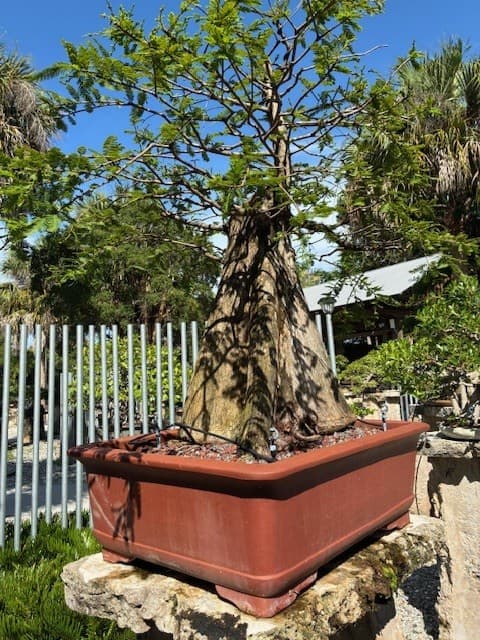
If you come for the trees first, head straight for the Meihin, or masterpiece exhibition. The village’s six prestigious private gardens open their best material to the public, including specimens that are centuries old, and that alone makes the festival worth the trip for serious collectors and first-time visitors alike. This is the part of the festival where Omiya stops feeling like a neighborhood and starts feeling like a reference point for the entire art.
The value of the Meihin display is that it shows the standard at the top end of the craft, but the festival does not stop there. Local amateurs also take part, which gives you a fuller picture of bonsai as both fine art and technical discipline. In one walk, you can compare finished masterpieces with work from practitioners at different levels, and that contrast is one of the clearest ways to understand why Omiya has held its reputation for so long.
The wider festival program adds even more layers. Official city materials note a citizen bonsai exhibition, and the Omiya Bonsai Spring Festival extends the experience to Musashi Ichinomiya Hikawa Shrine, where bonsai from seven local gardens are displayed from May 3 through May 5. If you want a sense of how deeply this culture is woven into the district, that shrine corridor is as important as any single display bench.
What the market is really for
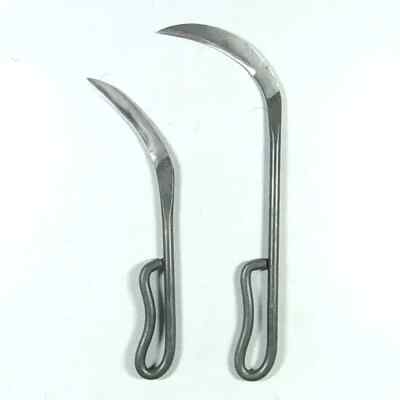
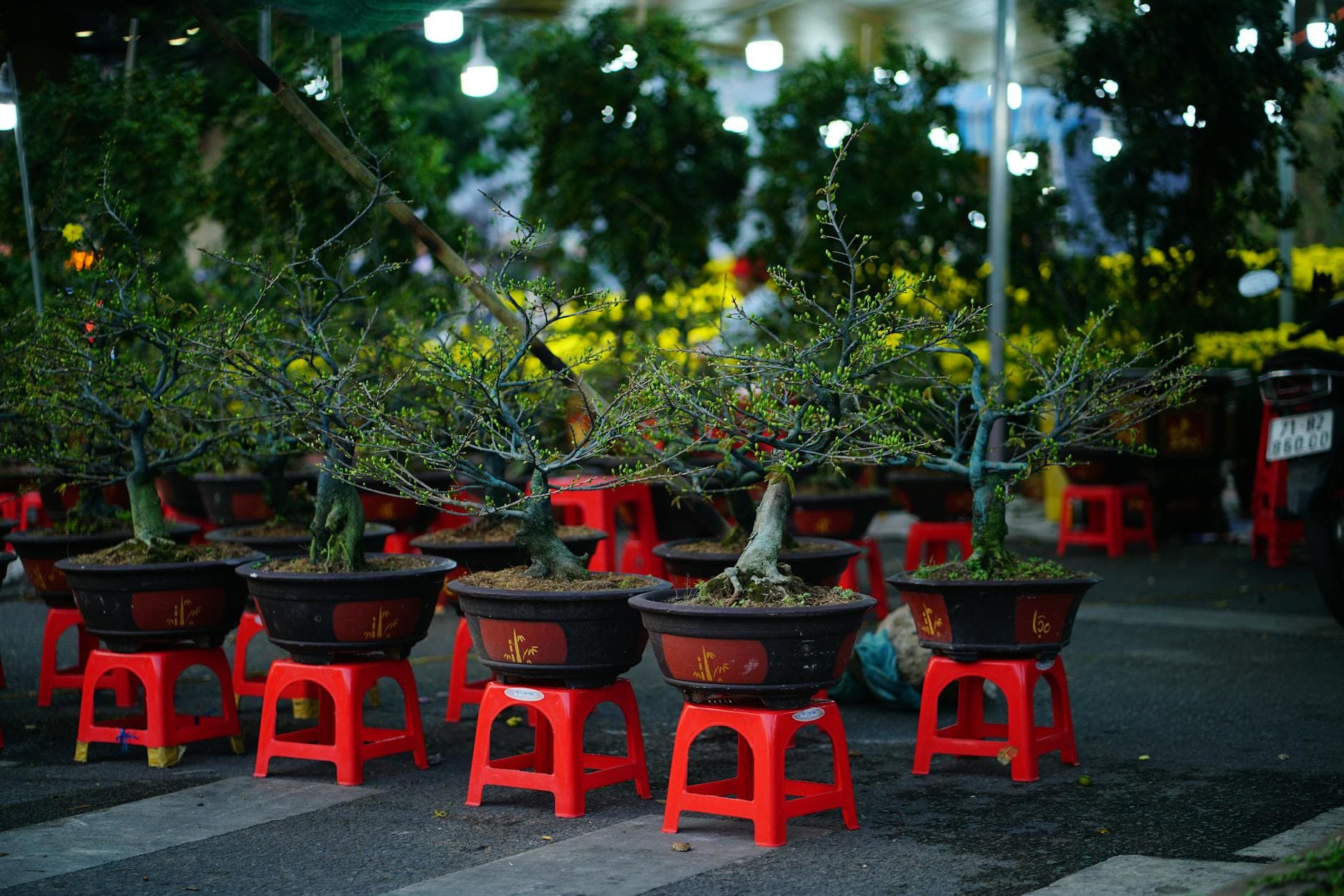
The Bonsai Market is the other half of the story, and for many visitors it is the practical reason to come. The streets fill with hundreds of stalls, and the festival becomes a place where you can buy everything from starter plants to high-end tools and professional-grade soils. Saitama City also describes the event as a sales fair for bonsai and bonsai pots, which makes the weekend especially valuable if you want to compare stock in person rather than order blind.
This is what separates Omiya from a conventional exhibition. You are not just looking at finished trees behind ropes. You are buying from the source in a district globally recognized for bonsai culture and nursery expertise, which means the shopping has real credibility for anyone building benches, refreshing substrate, or looking for pots with the right proportion and finish. If you are shopping seriously, the market is as important as the masterpiece gardens.
For buyers, the range matters. Starter material and entry-level supplies make the festival accessible to newcomers, while experienced growers can hunt for specialized soil, tools and potting pieces that are often easier to assess in person than in a catalog. The point is not impulse buying. It is the rare chance to compare quality, shape and workmanship face to face in the heart of Japan’s best-known bonsai district.
How to move through the village without losing time
The easiest access points are Toro Station on the JR Shonan-Shinjuku Line and Omiyakoen Station on the Tobu Urban Park Line. During the festival, the walk between those two stations becomes the main thoroughfare, so your route through the village is also your route past the densest concentration of displays, stalls and foot traffic. Saitama City advises using public transportation, and that advice is not optional during peak attendance because the surrounding area gets very crowded.
The best way to plan the day is to arrive early. The photographer’s rule is simple: the best light comes in the morning, before the crowds build. That is the window for clean viewing, easier movement between the private gardens, and sharper photos of trees and pots before the street market becomes packed.
A simple way to structure the visit is to match your aim to your timing:
- First-timers: start with the masterpiece gardens, then walk the market to get a sense of the scale of the district.
- Active hobbyists: use the market for soil, tools and pots, then compare notes across the citizen exhibition and shrine displays.
- Buyers: go early, carry a list, and check stock before midday when the busiest crowding starts.
The wider festival around the festival
The event is no longer just one street market, and that makes it more useful for anyone planning a full weekend in Saitama. At Bonsai Shiki no Ie, the Omiya Bonsai hospitality event runs from May 3 through May 5, 2026, with food stalls, workshops and goods sales. That gives the festival a more public, family-friendly layer without losing the core bonsai focus.
The Omiya Bonsai Spring Festival also begins with a May 2 pre-event featuring a bonsai performance by young bonsai artist Kanta Hirota. His inclusion is a sign of how the district is presenting the next generation alongside the old-line gardens, and it fits the broader message of the anniversary year: Omiya is not only preserving its past, it is actively shaping its future. When you add the shrine displays from seven local gardens, the hospitality event, the market streets and the private gardens, the festival reads less like a single fair and more like a city-backed circuit of bonsai culture.
Why this edition feels like a milestone
The centennial year in 2025 gave the district a chance to look back, and the 2026 festival arrives with that history freshly reinforced. The Omiya Bonsai Art Museum framed the anniversary around the first resident, Shimizu Ritarō of Seidai-en, who moved there in April 1925, underscoring how the village was built garden by garden rather than as a generic tourist district. That origin story still shapes the festival today, because the strength of Omiya lies in the connection between growers, collectors, artists and visitors all working within the same compact area.
That is why the festival travels so well as a bonsai pilgrimage. You can come to admire centuries-old trees, compare work across skill levels, shop for serious materials, and move from garden to market to shrine without losing the sense that you are inside a living community. Omiya Bonsai Festival 2026 is not just an exhibition date on the calendar. It is the one weekend when the district’s history, trade and craft all come into full view at once.
This article was produced by Prism’s automated news system from verified source data, official records, and press releases, then run through automated quality and moderation checks before publishing. The system is built and supervised by the people who set the standards it runs under. Read our full AI policy.
Did this article answer your question?