Pacific Bonsai Museum anchors Weyerhaeuser campus’s uncertain future
Pacific Bonsai Museum now does more than display trees, it gives the old Weyerhaeuser campus a public reason to matter as redevelopment pressure rises.
Pacific Bonsai Museum is the campus’s clearest public anchor
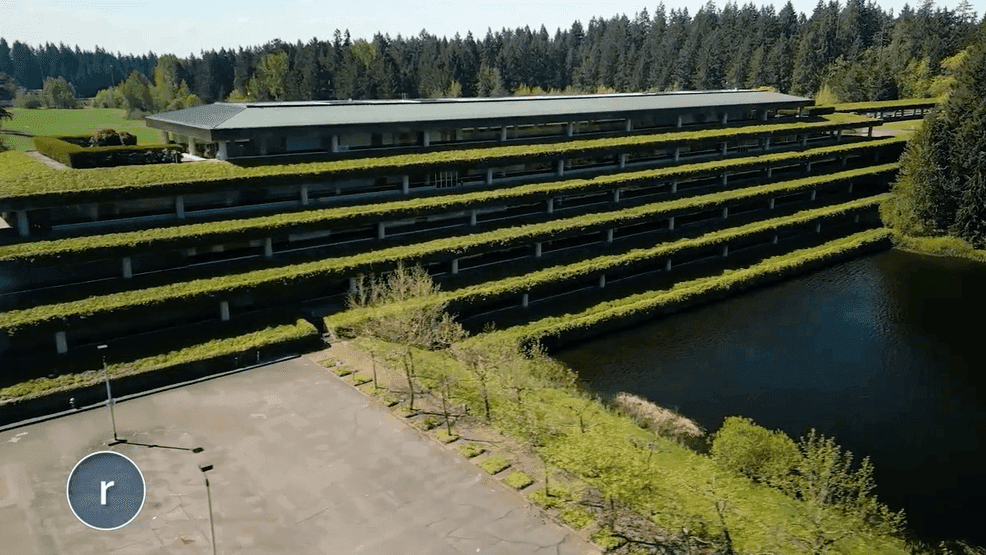
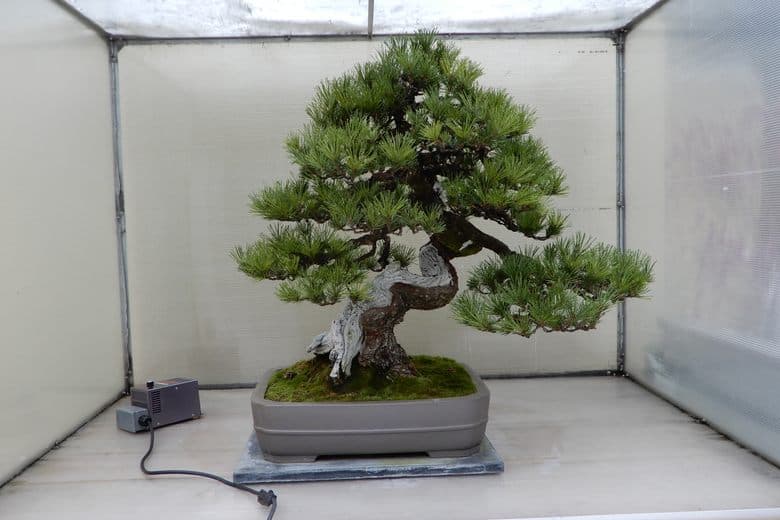
Pacific Bonsai Museum is doing the most important work on the old Weyerhaeuser campus in Federal Way right now: it is keeping the site visible, visitable, and culturally alive even as the headquarters block around it sits largely empty. That matters because the museum is not just a nice side attraction on a fading corporate property. It is one of the few public collections in the world devoted solely to bonsai, and it gives visitors an immediate reason to cross a campus whose future is still being fought over.
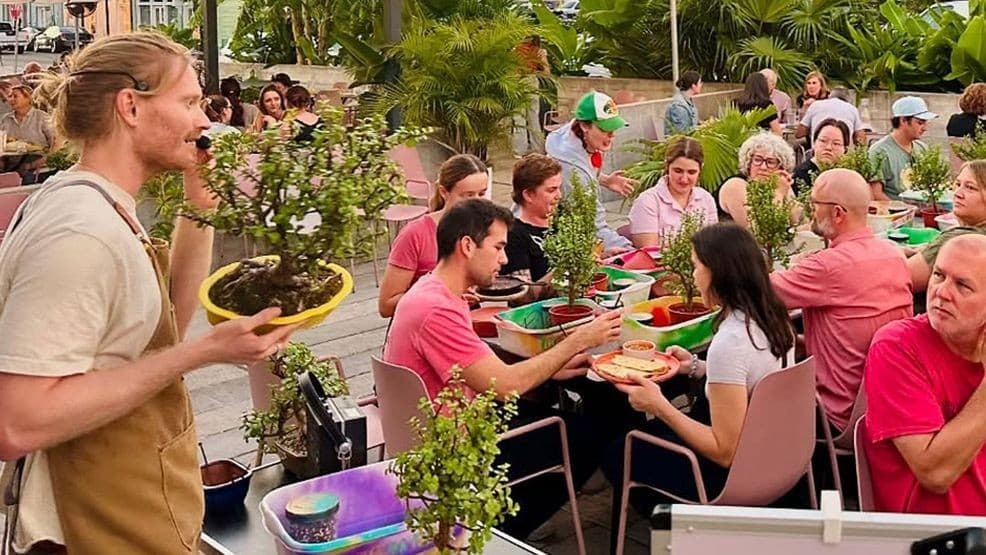
That outside spotlight has consequences beyond a single feature story. When a broad audience is pointed toward the museum, local awareness rises with it, and the campus stops reading as a dead corporate relic. Instead, the museum becomes the public-facing proof that the property still has a living identity, one rooted in horticulture, stewardship, and the original idea that landscape and architecture were meant to function together.
A bonsai collection with real institutional weight
The Pacific Bonsai Museum says Weyerhaeuser opened the collection in 1989, timed to Washington state’s centennial, and then gifted it to a new nonprofit at the end of 2013. That change in ownership matters. It marks the point where a corporate collection became a public institution with its own mission, its own audience, and its own responsibility to carry the art forward.
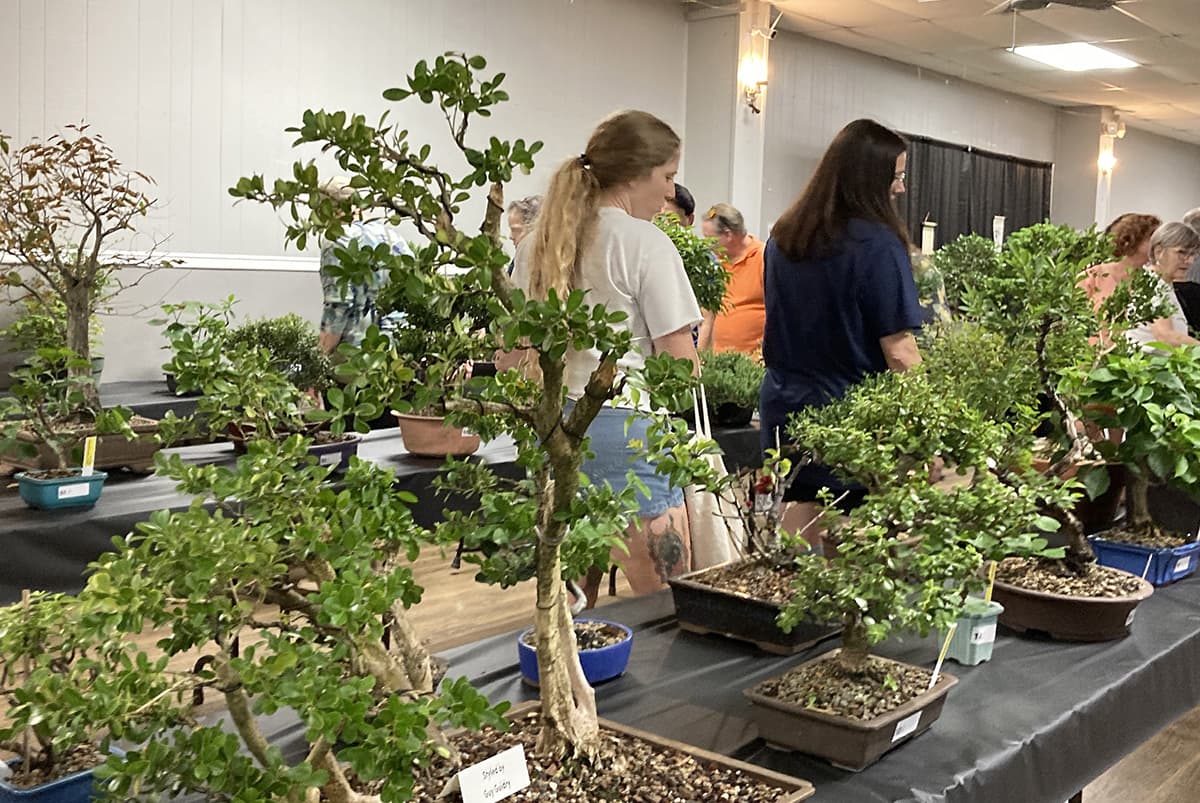
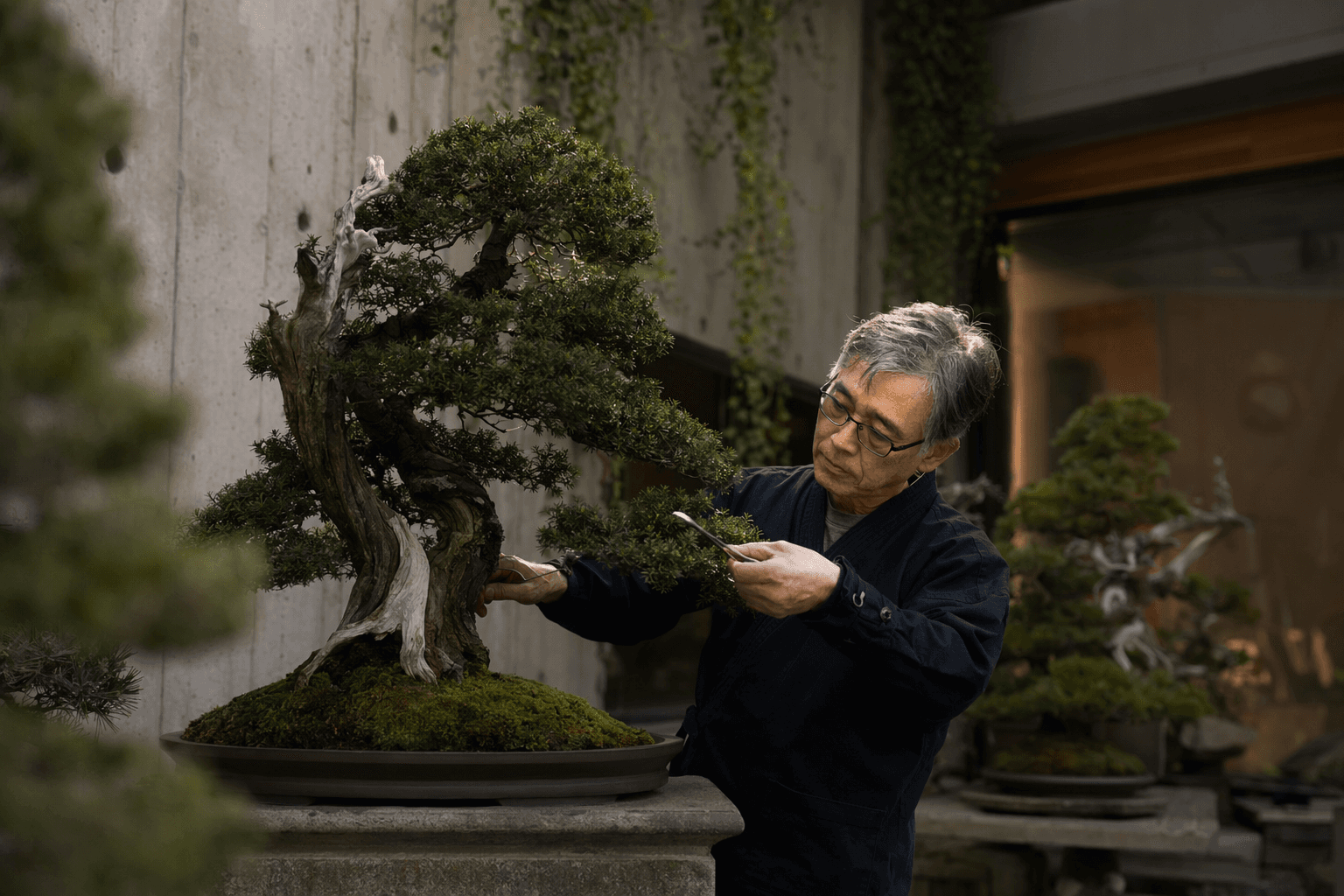
The museum now says it draws more than 54,000 visitors a year, and its collection includes more than 150 bonsai from Canada, China, Japan, Korea, Taiwan, and the United States. It also describes itself as the most diverse public bonsai collection in North America. For readers in the bonsai world, that combination of scale, range, and stewardship is the key point: these are not display trees sitting in isolation, but living works that require continuing attention, especially when some specimens are more than 100 years old.
Visiting the museum now
The practical details are straightforward, which is part of why the museum works so well as a public anchor. It is open Tuesday through Sunday, 10 a.m. to 4 p.m., and admission is by donation, with a suggested $12 per adult. The accessibility of that setup helps explain why the museum functions less like a niche private collection and more like an open door into the larger Weyerhaeuser landscape.
The collection’s longevity also gives the site emotional force. Trees of that age carry the weight of technique, succession, and preservation, and they make the museum feel less like a decorative stop and more like a working institution. In a campus conversation dominated by vacancy and redevelopment, that living continuity is exactly what gives the bonsai garden its public value.
The Rhododendron Species Botanical Garden completes the landscape story
The Rhododendron Species Botanical Garden adds another layer of meaning to the campus because its roots go back long before the current redevelopment pressure. The Rhododendron Species Foundation traces the collection to Dr. Milton Walker’s 1964 trip to England to seek rhododendron cuttings. The first shipment arrived in Vancouver in September 1964, the collection was first housed in Oregon in 1968, and by 1973 George Weyerhaeuser had agreed to provide space on the Federal Way campus.
From there, the move became part of the campus itself. The foundation says Weyerhaeuser leased 24 acres at no cost in 1974, and the collection was relocated to Federal Way in 1975. The garden now says it holds the world’s largest collection of Rhododendron species, which gives the property a botanical significance far beyond its corporate past.
Why the garden still matters on an “abandoned” campus
The most revealing practical detail is the one visitors run into first. The garden directs people to the marked entrances for the Rhododendron and Bonsai Gardens because the posted street address maps to an empty field. That tells you everything about how the site currently functions. The headquarters portion may feel abandoned, but the public gardens are still active, still navigable, and still doing real interpretive work for anyone interested in plant collections, design, or regional history.
That is also why the rhododendron garden belongs in the same story as the bonsai museum. Together, they keep the original landscape logic of the campus intact, even while the corporate use that created the setting has disappeared. They are not ornamental leftovers. They are the living parts of the property that still make sense to the public.
The redevelopment fight is about more than vacant buildings
The broader Weyerhaeuser campus is a 430-acre landscape, and the City of Federal Way has said the property includes 425 acres and 810,717 square feet of office, lab, and industrial space. Industrial Realty Group bought the campus in 2016, and the site’s future has stayed unsettled ever since. What preservation advocates keep stressing is that the campus was designed so the architecture and the surrounding land would work as one, not as separate pieces.
The Washington Trust for Historic Preservation says that relationship is the core of the site’s significance. It also says IRG planned five warehouses totaling 1.5 million square feet on forested portions of the campus, which is exactly the kind of scale that worries people who see the campus as a designed whole rather than a blank redevelopment parcel. The concern is not just about what gets built, but about whether the original balance between built form and landscape survives at all.
That is why the bonsai museum’s presence is so important in the current moment. The campus debate can easily become a story about emptiness, ownership, and warehouse proposals. Pacific Bonsai Museum changes the frame. It reminds visitors that this property still houses a public institution with a distinct identity, a deep collection, and a steady stream of visitors who come for the craft, the trees, and the setting.
In the end, the museum is the clearest answer to the question hanging over the campus: what still works here? The empty headquarters may define the uncertainty, but Pacific Bonsai Museum shows that the site’s most meaningful surviving asset is still open, still cared for, and still drawing people into a landscape that was never meant to be understood as just land.
Know something we missed? Have a correction or additional information?
Submit a Tip