Pacific Bonsai Museum explores how culture and place shape bonsai
Pacific Bonsai Museum’s Bonsai United shows bonsai as a living art shaped by climate, culture, and species, not one fixed Japanese standard.
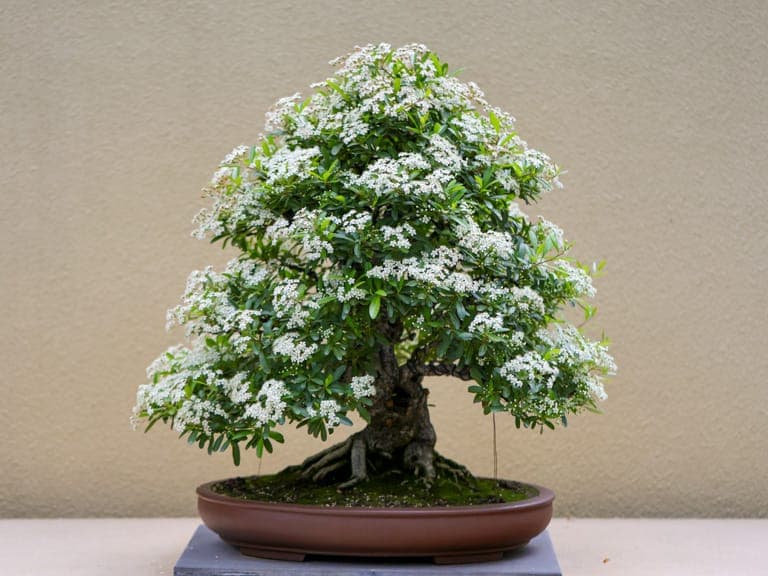
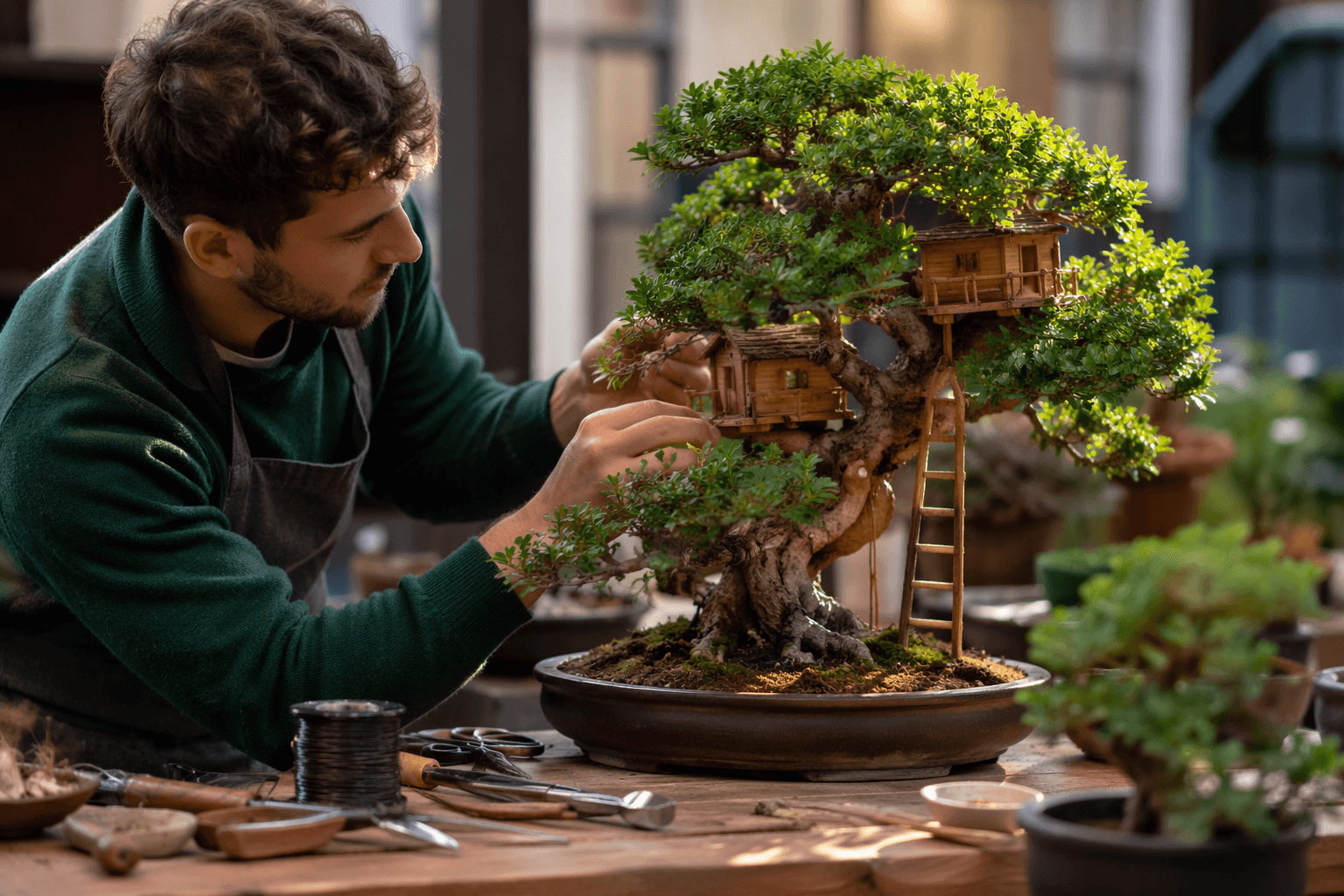
Pacific Bonsai Museum’s Bonsai United treats the gallery like a map with roots: trees, interviews, and interpretation all point to the same idea, that bonsai changes as it moves through place and culture. Curator Aarin Packard frames the show around a deceptively simple question: how do landscape, native flora, and cultural practices shape the finished tree? The answer, spread across 15 countries and 15 traditions, is visible in the trees themselves and in the voices of the practitioners who made them.
A museum built around living trees
Pacific Bonsai Museum has always had a different kind of authority in the bonsai world because the collection is not static. The museum describes itself as a nonprofit living repository of cultural heritage and says it is the only museum in the United States devoted solely to bonsai. It began as a Weyerhaeuser Company project in 1989, created for the Washington State Centennial and to honor Pacific Rim trading partners, then became a nonprofit museum in 2013.
That history matters because Bonsai United is not a one-off display dropped into an ordinary gallery. It is the latest expression of an institution that already thinks of bonsai as both art and public education. The museum says it cares for 150 bonsai, with about 50 to 60 on display at any given time, and describes its collection as the most geographically and botanically diverse public bonsai collection in the United States, with species originating in six countries.
What Bonsai United is really showing
The strongest move in Bonsai United is that it does not treat bonsai as a single standard with regional variations tacked on at the edges. Instead, it follows bonsai’s historical spread from China to Japan and then outward into the wider world, letting visitors see how different traditions developed their own visual languages. That structure turns the exhibition into a live argument: the art is unified by practice, but never flattened into one style.
Packard built that argument from more than objects on view. He interviewed 36 top practitioners from 15 countries and folded those perspectives into the exhibit’s interpretation, so the show reads as both a display and a chorus. The museum says the project features perspectives from 15 traditions, with practitioners speaking for themselves about how contemporary bonsai is shaped by landscape, native flora, cultural practices, and the passage of time.
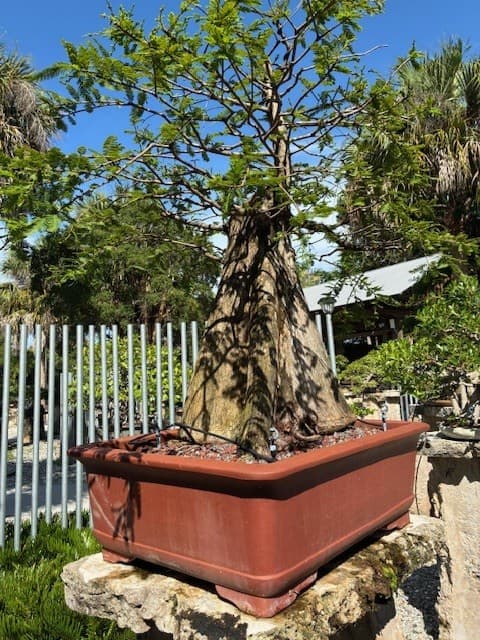
That makes the exhibit especially useful for anyone who already knows bonsai well enough to recognize how much the details matter. A tree grown in Brazil will not speak the same visual language as one grown in Canada or Japan, and the show wants visitors to see those differences as the result of environment, materials, and community norms, not as deviations from a single ideal.
How place leaves its mark on a tree
Bonsai United is most convincing when it stays close to the practical realities that shape a tree before style ever enters the picture. Local climate affects what can survive and how it grows. Native flora and imported materials limit or expand the palette available to the artist. Even the habits of a local bonsai community can influence whether a tree leans formal, wild, restrained, or experimental.
That is the quiet power of the exhibit’s framing. Instead of asking visitors to admire a finished bonsai in isolation, it asks them to notice why one region might favor different species, different lines, or different handling of deadwood and foliage. For serious growers, that is the real lesson: technique never exists apart from place.
The museum’s own broader interpretive work supports that approach. Earlier projects such as World War Bonsai: Remembrance & Resilience traced the art in Japan and the United States through the prewar period, wartime incarceration, and peace, showing that the museum already thinks in terms of history, memory, and cultural context. Bonsai United pushes that same impulse outward, widening the lens from one national story to many.
How to experience the exhibit beyond the gallery
The exhibition is open now and scheduled to run through December 19, 2027, which gives the community a long stretch to revisit it and compare the display with its own trees and training habits. That timeline matters because bonsai rewards repetition; a single walk-through can spark interest, but time in the collection is what lets the differences settle in.
Visitors who cannot linger on-site can still work through the show with the free Bloomberg Connects guide. Pacific Bonsai Museum says the digital guide includes images, interviews, audio tours, exclusive content, and exhibition text, and that it is available in 49 languages. For a field that often depends on hands-on observation, that kind of access is unusually generous, and it extends the museum’s reach well beyond Federal Way, Washington.
The museum is also using public programming to keep the place active around the exhibition. Summer Bonsai Solstice is set for June 21, 2026, from 4 p.m. to 8 p.m., and the museum says it will stay open late every Friday in July with free activities and no ticket or registration required. That matters because bonsai, unlike most museum objects, is easiest to understand when you can return to it, compare it, and watch how the light changes on the same branch.
Bonsai United lands as both an exhibition and a correction. It does not dismiss Japan’s central role in the history of bonsai; it simply refuses to stop there. By placing 15 traditions, 36 practitioners, and a geographically diverse collection in one conversation, Pacific Bonsai Museum shows a living art still being rewritten by the places that grow it.
This article was produced by Prism’s automated news system from verified source data, official records, and press releases, then run through automated quality and moderation checks before publishing. The system is built and supervised by the people who set the standards it runs under. Read our full AI policy.
Did this article answer your question?