RESOBOX Bonsai Class in New York Teaches Beginners Indoor Tree Care
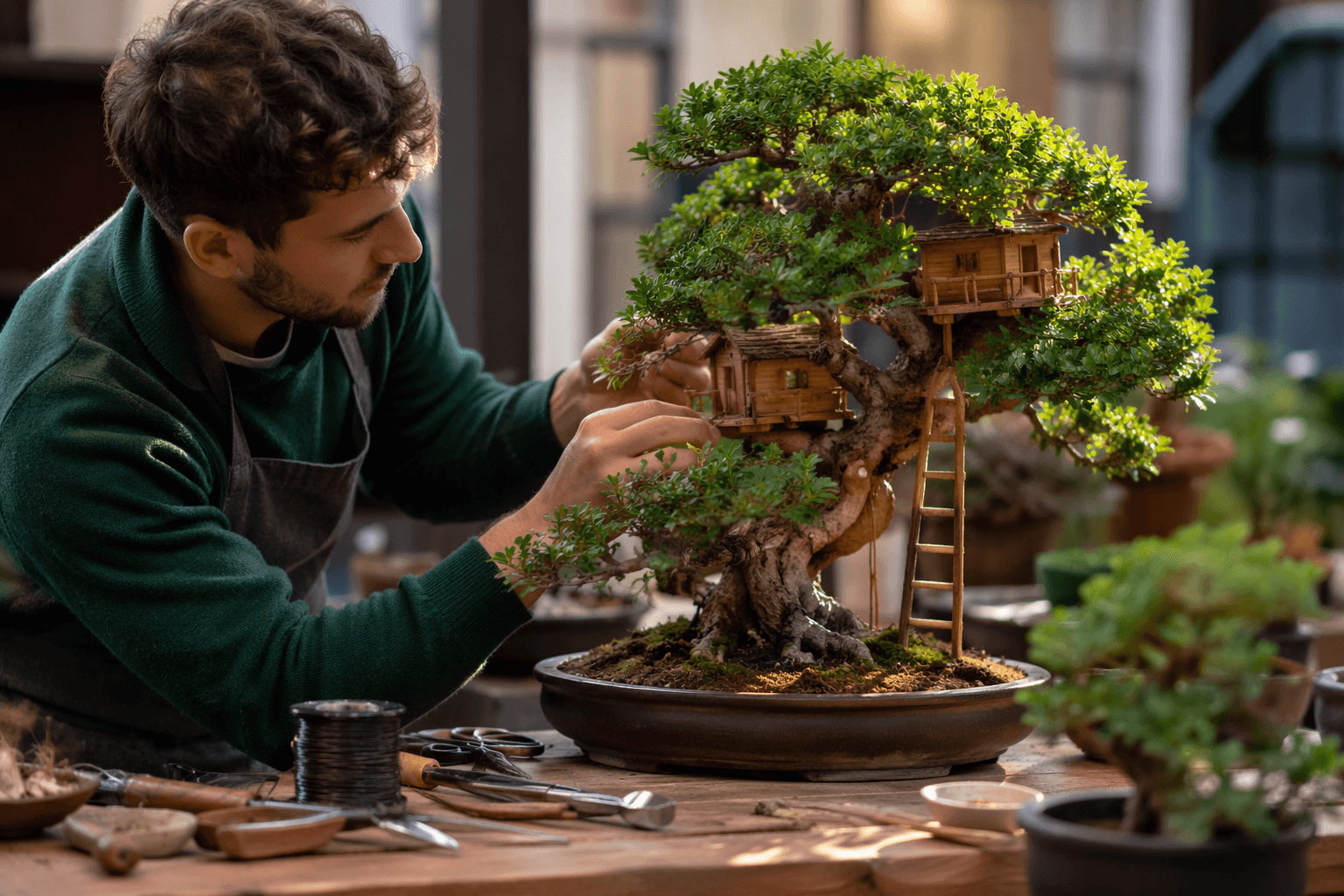
RESOBOX turns a first bonsai class into a take-home starter kit, with Julian Velasco teaching pruning, shaping, repotting, and indoor tree care in one compact session.
A beginner class built for real progress
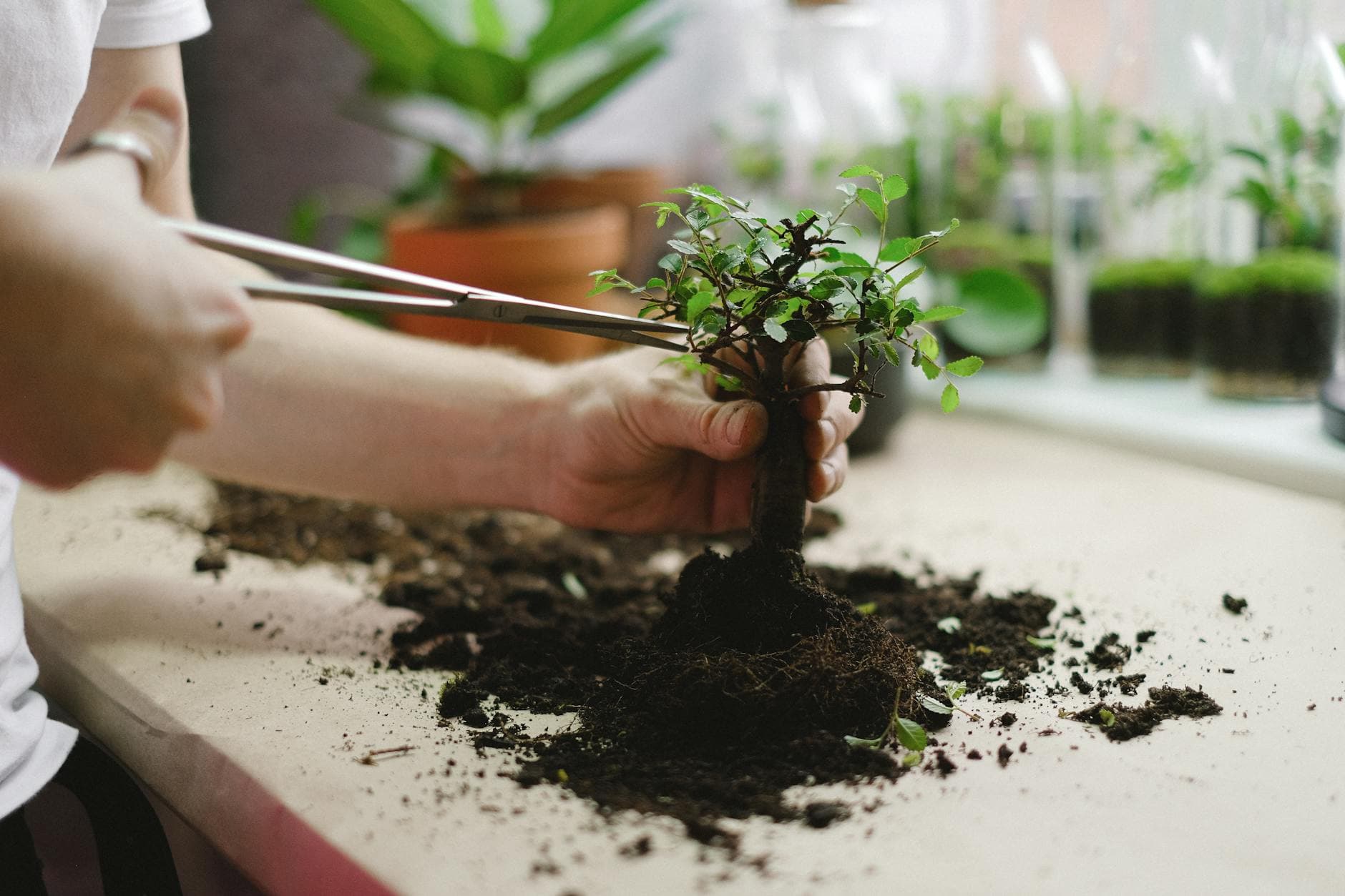
RESOBOX is offering something many first-time bonsai buyers never get: a complete, guided entry point. Instead of sending you home with a tree and a stack of unanswered questions, the class gives you a sub-tropical bonsai, a container, soil, and the hands-on lesson needed to start caring for it with confidence.
That is the real draw here. The workshop is built for apartment life, for people who want to try bonsai without building a full greenhouse setup, and for anyone who would rather learn by doing than by guessing from a product page.
What you actually learn in one session
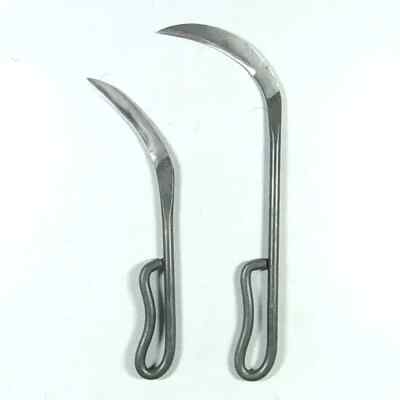
The class is designed as a compact, practical introduction rather than a long lecture. RESOBOX says participants will learn how to prune, shape, maintain, and repot their bonsai under master supervision, with bonsai tools provided for use during class and all materials included in the price.
That matters because bonsai is a discipline where the first hour can make or break a new tree. A single workshop cannot teach decades of refinement, but it can give you the core habits that matter immediately: where to cut, how to think about structure, when to repot, and how to keep the tree healthy after it leaves the classroom.
RESOBOX also says the tree is a sub-tropical bonsai, which it describes as perfect for indoor apartment growing. For New York beginners, that is a major practical advantage. You are not being asked to solve for a backyard you do not have, or to improvise outdoor winter protection on day one.
Why Julian Velasco gives the class weight
The instructor is Julian Velasco, and his background is one of the strongest reasons this workshop stands apart from a typical craft-night format. RESOBOX identifies him as a former curator of Brooklyn Botanic Garden’s C.V. Starr Bonsai Museum, and other bios describe him as a bonsai professional who spent more than 10 years working with a collection of more than 300 bonsai.
That experience matters in a field where tree health, timing, and technique all depend on details. Velasco is also described as someone whose work has been commissioned for film, museums, designers, architects, and private collectors, which places the class in a broader professional bonsai ecosystem rather than a casual hobby setting.
For a beginner, that level of instruction reduces risk. You are not just buying a tree kit, you are getting direct guidance from someone who has handled a serious collection and understands how bonsai is presented, maintained, and shaped at a high level.
The class logistics are straightforward
The session is listed on Eventbrite as a two-hour, in-person class at RESOBOX East Village, 91 East 3rd Street in Manhattan. The posted time is Sunday, April 26, 2026, from 11:00 a.m. to 1:00 p.m., which gives the event a simple, contained structure that fits neatly into a weekend schedule.
The price on RESOBOX’s event page is $185 per person. That is not a low-cost impulse buy, but the fee includes the tree, container, soil, and class materials, along with the use of bonsai tools during the session. For someone comparing options, that bundle changes the calculation because you are not paying separately for a tree, a pot, and a first lesson.
The sign-up deadline is 72 hours before the class begins, and RESOBOX says cancellations are not refunded after that point. Eventbrite also lists refunds up to seven days before the event, so the booking rules are clear enough for someone planning ahead. That kind of transparency is useful for beginners who want a clean first step without hidden extras.
Why this matters in New York’s bonsai scene
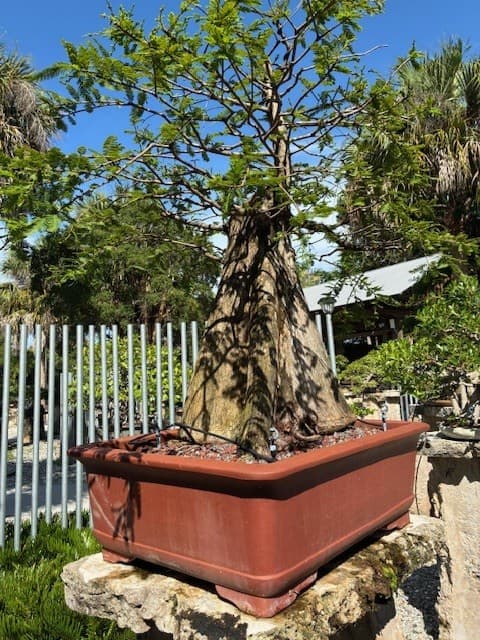
This workshop lands in a city that already has real bonsai depth. Brooklyn Botanic Garden says its bonsai collection dates to 1925, making it a century-old New York institution, and the garden says its C.V. Starr Bonsai Museum now holds more than 400 temperate and tropical bonsai, with as many as 30 on display at any given time.
That history gives classes like RESOBOX’s extra meaning. You are not stepping into a niche that lacks local roots. You are entering a horticultural culture that has been public, visible, and respected in New York for generations, with trees that include specimens more than a century old.
Brooklyn Botanic Garden marked the centennial of its bonsai collection with public programming from June 14, 2025, through October 19, 2025, underscoring how active interest in bonsai has become in the region. RESOBOX’s class fits that momentum by translating museum-level seriousness into something much more approachable for apartment dwellers and first-timers.
Is it a better beginner buy than ordering a bonsai online?
For a true beginner, the answer is often yes, and this class explains why. Buying a bonsai online can get you a tree, but it rarely gives you the confidence to prune, shape, repot, and maintain it correctly from day one. RESOBOX packages the tree with instruction, tools, and materials, which turns the purchase into a first lesson rather than a solo experiment.
That structure is especially valuable if you live in an apartment and want an indoor-friendly tree that fits your space. Instead of trying to reverse-engineer care from a shipping box, you leave with a sub-tropical bonsai already introduced to the basics of its next stage, plus the knowledge to keep working on it at home.
For New York beginners, that combination is the point. The class lowers the barrier to entry, links you to a legitimate bonsai educator, and gives you a living tree to continue developing after the workshop ends. It is a practical, city-sized way to start bonsai the right way.
This article was produced by Prism’s automated news system from verified source data, official records, and press releases, then run through automated quality and moderation checks before publishing. The system is built and supervised by the people who set the standards it runs under. Read our full AI policy.
Did this article answer your question?