Ritsurin Garden shows bonsai artists the value of returning again
Ritsurin’s third look is the point: its ponds, hills, and pines keep teaching bonsai artists new lessons in proportion, pacing, and feeling.
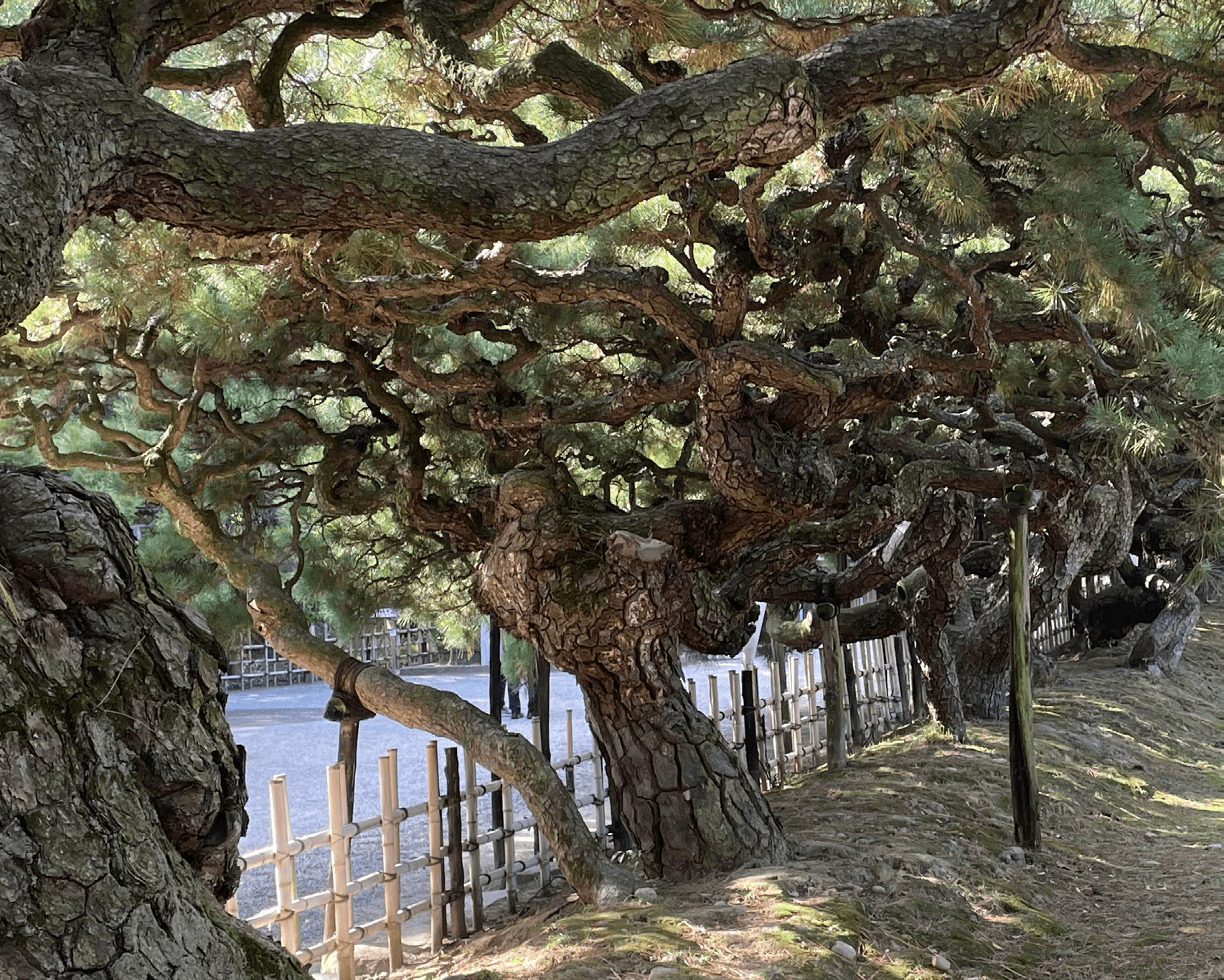
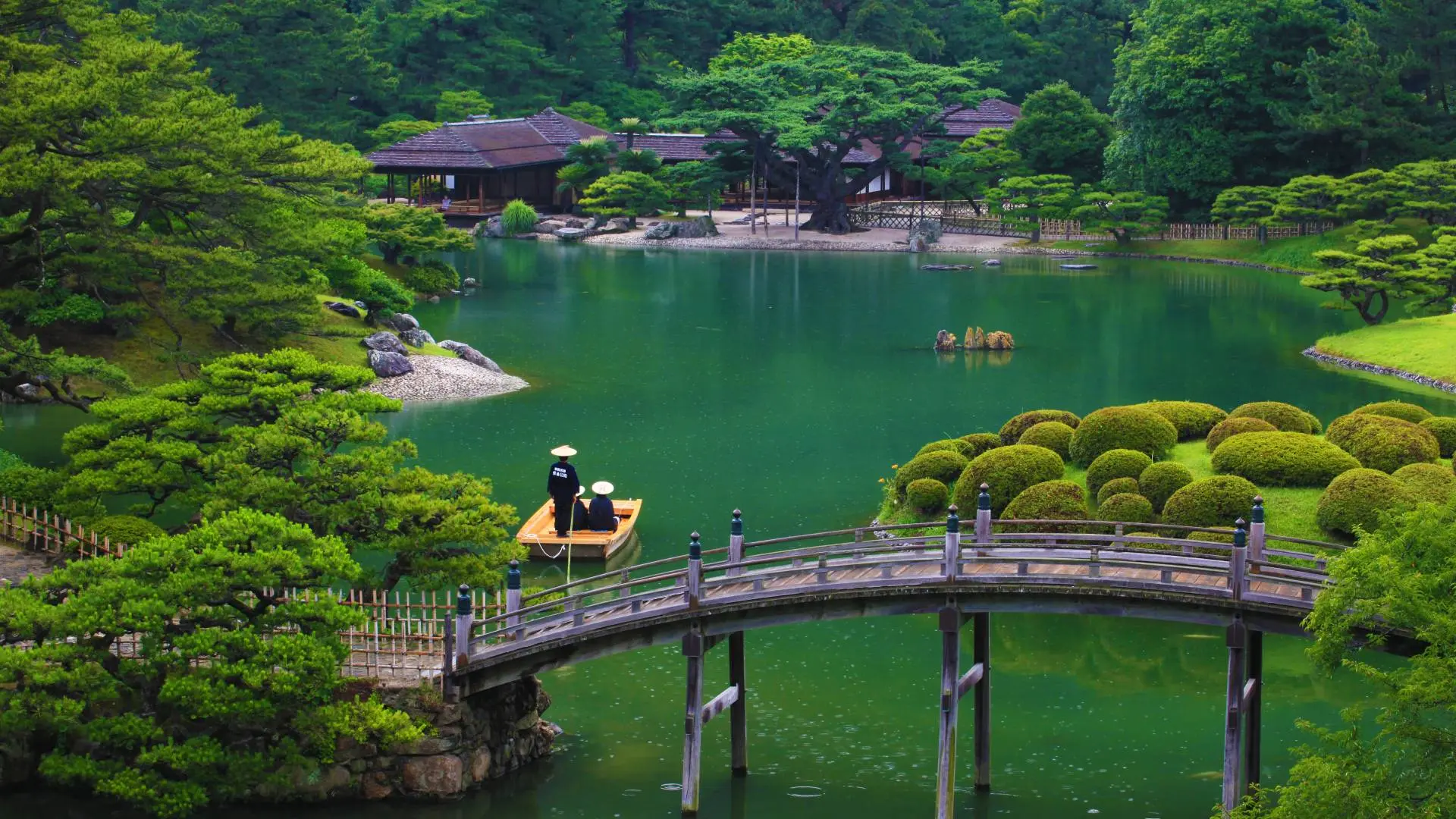
Ritsurin Garden does not spend itself in a single visit. In Takamatsu, its 75 hectares, six ponds, 13 landscaped hills, and roughly 1,400 pine trees keep rearranging the eye, so the third walk can feel more revealing than the first. For bonsai artists, that is the real lesson: great landscape design asks to be revisited, studied, and translated, not simply admired once.
A garden built to reward return visits
Ritsurin began in the late 16th century, then took on the shape that still matters to bonsai eyes when Nanko Pond was created around 1625 and major development started in 1642 under the Matsudaira lords. The Matsudaira clan used it as a private retreat for 228 years across 11 generations before the garden opened to the public on March 16, 1875. That long private life matters because it explains why the place feels layered rather than fixed, and why later designation as a Special Place of Scenic Beauty in 1953 only confirmed what repeated visitors already sense.
Official tourism materials describe Ritsurin as Japan’s largest Cultural Property Garden, and the scale is part of the point. On one level, the numbers are straightforward: about 75 hectares, six ponds, 13 artificial hills, and a stand of pines dense enough to make the garden feel like a living archive. On another level, those same facts become a training ground for bonsai thinking, because each element is judged in relation to the others, not in isolation.
What repeated looking teaches bonsai
The strongest idea in the garden’s appeal is that it behaves like an active classroom. A bonsai artist does not come to Ritsurin to copy a tree line, a shoreline, or a borrowed mountain view directly; the lesson is subtler than that. The garden teaches how restraint can create atmosphere, how spacing can shape emotion, and how a composition can feel complete without crowding every inch.
That is why a return visit matters so much. On one walk, the eye might register the sweep of a pond. On another, the same pond becomes a measuring device for proportion, showing how a hill rises against open water or how a pine group holds the edge of a path. In bonsai terms, that is the difference between seeing material and understanding design.

Ritsurin also clarifies pacing, which is one of the least discussed but most useful skills in both gardens and bonsai display. A strolling garden reveals itself step by step, and that movement is the closest landscape equivalent to turning a bonsai stand, stepping back, and checking whether the composition still reads from a different angle. The experience trains patience because it rewards the viewer who lets form unfold instead of demanding a full impression at the first glance.
Borrowed scenery, too, becomes easier to read after repeated visits. With views toward Mt. Shiun, the garden uses distant landscape as part of its composition, and that principle maps neatly onto bonsai display, where the space around the tree matters as much as the tree itself. When you return, you stop looking only at objects and start noticing how foreground, background, and distance collaborate to create feeling.
How to revisit a great garden with a bonsai eye
The most useful way to study Ritsurin, or any historic garden, is to treat each return as a different question.
1. First pass: read the broad shape.
Take in the whole layout before fixing on details. At Ritsurin, that means feeling the relationship among the six ponds, the 13 hills, and the pine mass as one composition.
2. Second pass: test proportion.
Look for how one element scales against another. In bonsai terms, ask whether an open area gives a tree room to breathe or whether a hill, shoreline, or path overwhelms the intended balance.
3. Third pass: watch pacing.
Notice where the view opens, where it compresses, and where it pauses. A garden that unfolds gradually can teach the same sequence you want in an exhibit, where the eye should travel, rest, and return.
4. Fourth pass: check emotional effect.
Ask what the place makes you feel, not just what it shows you. Ritsurin’s longevity, its private history under the Matsudaira, and its huge population of pines give it a calm authority that bonsai compositions often chase but rarely achieve by accident.
That method works because the garden is not frozen in time. It has been shaped by centuries of care, from its early formation to its public life after 1875, and that continuity is exactly what makes it useful to a practicing artist. The more experienced your eye becomes, the more you notice that the garden is teaching not a style, but a way of looking.
Why Takamatsu makes the lesson sharper
The recommendation to study Ritsurin lands harder because of where the garden sits. Takamatsu’s Kinashi and Kokubunji districts are described as Japan’s top producers of pine tree bonsai, with roughly 80 percent of the country’s miniature pine production and around 60 bonsai growers in the area. Official tourism materials also describe Takamatsu as the top region for pine bonsai in Japan, which means the garden is embedded in a working bonsai culture, not separated from it.
That local context turns Ritsurin into more than a scenic destination. The same region that sustains a major bonsai economy also preserves a garden with 1,400 pine trees, and the overlap explains why the place speaks so clearly to bonsai artists. It is a landscape where the eye can move from historic design to living craft without changing vocabulary.
Ritsurin’s real gift is that it keeps giving on the second and third look. The garden teaches what mature bonsai practice already knows: the deepest lessons come from returning, measuring again, and letting a great composition revise your sense of proportion, pacing, borrowed scenery, and emotional weight.
This article was produced by Prism’s automated news system from verified source data, official records, and press releases, then run through automated quality and moderation checks before publishing. The system is built and supervised by the people who set the standards it runs under. Read our full AI policy.
Did this article answer your question?